
Gut Health Hub · Evidence-based
The Complete Guide to Gut Health
Your gut is far more than a digestive tube. It houses trillions of microbes, a large share of your immune tissue, and a nerve network that talks constantly with your brain. This hub gathers HealAtlas's evidence-based guidance on the gut microbiome, fiber, fermented foods, digestive conditions, and lifestyle habits, plus every gut health article we have published, so you can start anywhere and go as deep as you like.
🧭 Start Here: What Is the Gut Microbiome?
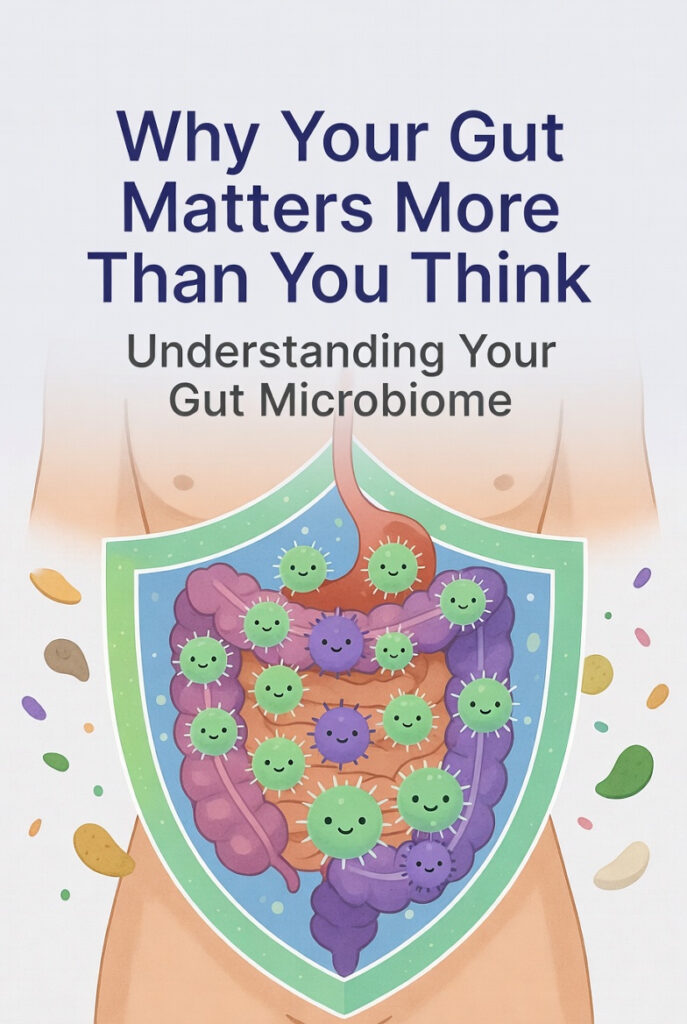
Think of the gut microbiome as an ecosystem: bacteria, fungi, viruses, and other microbes living mainly in the large intestine. The NIH-funded Human Microbiome Project showed that healthy people host remarkably different mixes of species, yet their microbes perform broadly similar jobs [1][2].
You may have read that microbes outnumber human cells ten to one. A careful 2016 recount estimated the ratio is closer to one to one, around 38 trillion bacteria in a typical adult, which is still an enormous population [3]. These microbes ferment fiber your own enzymes cannot digest, producing short-chain fatty acids such as butyrate that fuel the cells lining the colon, help maintain the gut barrier, and influence inflammation and metabolism [4].
Two points to keep in mind as you explore. First, the microbiome responds quickly to diet: switching to very different diets measurably shifted gut bacteria within days in a Nature study [5]. Second, most microbiome research shows associations, and many headlines run ahead of human trials.
🔬 Microbiome Basics
A healthy gut community tends to be diverse and stable, able to bounce back after a disruption such as a stomach bug or a course of antibiotics. Diversity alone is not a perfect measure, but low diversity has been linked in observational studies with obesity, inflammatory bowel disease, and other chronic conditions [4].
Key jobs of gut microbes include fermenting fiber into short-chain fatty acids, helping train the immune system, producing some vitamins such as vitamin K and certain B vitamins, and competing with potential pathogens for space and nutrients. The lining of the intestine is a single layer of cells sealed by tight junctions and coated in mucus. When that barrier is disrupted, which some call ‘leaky gut’, bacterial fragments can provoke immune responses. Increased permeability is documented in conditions such as celiac disease and IBD, but ‘leaky gut syndrome’ as a standalone diagnosis is not established, so be wary of tests and supplements sold to treat it.
Dysbiosis describes an unfavorable shift in the microbial community: loss of diversity, loss of beneficial species, or overgrowth of others. Factors associated with dysbiosis include low-fiber, highly processed diets, unnecessary antibiotics, heavy alcohol use, smoking, chronic stress, and poor sleep.
🌾 Fiber and Prebiotics
Fiber is the single most consistent dietary factor linked to gut and overall health. Lancet meta-analyses found that people eating the most fiber, about 25-29 grams or more per day, had 15-30% lower rates of death and of heart disease, stroke, type 2 diabetes, and colorectal cancer than those eating the least [6]. Most adults fall well short of that target [7].
Prebiotics are substrates selectively used by host microbes that confer a health benefit [8]. Inulin and fructo-oligosaccharides in onions, garlic, leeks, asparagus, chicory, and slightly green bananas are classic examples, along with resistant starch in cooled potatoes, rice, oats, and legumes. Soluble fibers such as oat beta-glucan and psyllium also help soften stool and support regularity [9].
A practical goal many experts suggest is variety: aim for a wide range of plant foods each week, including vegetables, fruit, whole grains, legumes, nuts, seeds, herbs, and spices. Increase fiber gradually over two to three weeks and drink enough fluid, because a sudden jump can cause gas and bloating [10]. People with IBS may need to choose lower-FODMAP fiber sources at first.
👉 Explore fiber-rich foods: Top 10 Foods for Gut Health, Legumes and Beans, Whole Grains.
🥛 Probiotics and Fermented Foods
Probiotics are live microorganisms that, when given in adequate amounts, confer a health benefit [11]. Benefits are strain-specific: a strain that helps one condition may do nothing for another, and many products contain strains or doses that were never tested. NIH’s NCCIH notes that probiotics are generally safe for healthy people but carry risks for people who are critically ill or severely immunocompromised [12][13].
Evidence is strongest for specific uses. Cochrane reviews found that certain probiotics reduced the risk of antibiotic-associated diarrhea in children and of C. difficile-associated diarrhea in adults and children [14][15]. For general wellness in healthy people, evidence that supplements help is limited.
Fermented foods are a food-first alternative. In a 10-week Stanford randomized trial, adults who ate about six servings a day of fermented foods such as yogurt, kefir, kimchi, and kombucha increased microbiome diversity and lowered 19 inflammatory proteins, including interleukin-6 [16]. Watch the sodium in kimchi, miso, and pickles.
👉 See our guides: Top 10 Fermented Foods and Top 10 Foods for Gut Health.
🧠 The Gut-Brain Axis
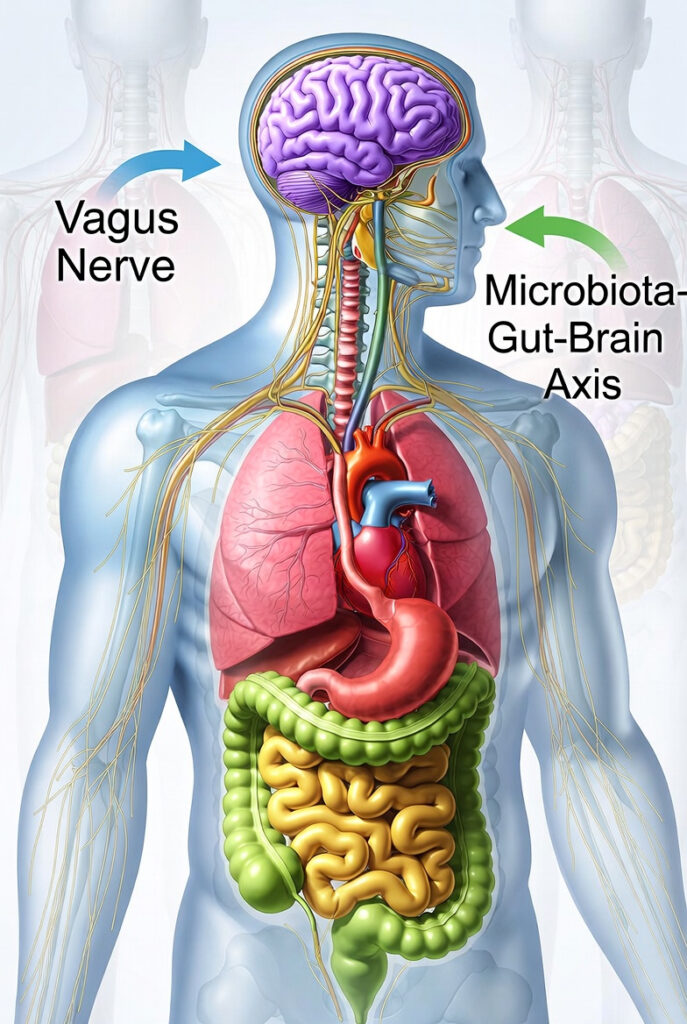
The gut and brain communicate in both directions through the vagus nerve, immune signals, hormones, and microbial metabolites such as short-chain fatty acids and tryptophan derivatives [17].
Animal studies show that gut microbes can influence behavior and stress responses, and early human studies of so-called psychobiotics are intriguing. However, human evidence remains preliminary, effects are modest, and probiotics are not a substitute for proven treatments for depression or anxiety [17]. Gut-directed psychological therapies, such as cognitive behavioral therapy and gut-directed hypnotherapy, do have trial support for IBS [18].
🩺 Digestive Conditions and When to See a Doctor
Irritable bowel syndrome (IBS) causes recurring abdominal pain with changes in bowel habits, without visible damage to the gut. A diet low in fermentable carbohydrates (FODMAPs) reduced symptoms in a controlled trial and is best done with a dietitian, followed by reintroduction to keep the diet as varied as possible [19][20].
Inflammatory bowel disease (IBD), which includes Crohn’s disease and ulcerative colitis, involves chronic immune-driven inflammation that can damage the gut. It requires medical diagnosis and treatment; diet can support but not replace therapy [21][22]. Celiac disease is an autoimmune reaction to gluten diagnosed with blood tests and biopsy, ideally before going gluten-free [23].
Small intestinal bacterial overgrowth (SIBO) refers to excess bacteria in the small intestine, often linked to motility problems or prior surgery. Breath tests have limitations, so diagnosis and antibiotic treatment should be guided by a clinician. GERD causes frequent heartburn or regurgitation; weight management, smaller meals, avoiding late meals, and raising the head of the bed can help, alongside medication when needed [24].
See a doctor promptly if you notice blood in your stool or black stools, unintended weight loss, persistent vomiting, difficulty or pain swallowing, severe or worsening abdominal pain, symptoms that wake you at night, fever with diarrhea, anemia, a change in bowel habits lasting more than a few weeks, or digestive symptoms that begin after age 45 to 50 or with a family history of colorectal cancer or IBD [18][25]. Stay current with recommended colorectal cancer screening.
🛡️ Gut Health and Immunity
The intestine contains a large share of the body’s immune cells, often estimated at around 70%, although that figure is an approximation. Gut microbes help educate the immune system to tolerate food and friendly bacteria while responding to pathogens [4].
In the Stanford fermented-food trial, the high-fermented-food diet lowered several markers of immune activation, while the high-fiber diet did not change them over 10 weeks, suggesting different foods act through different routes [16]. For immunity, the best-supported steps remain a varied, plant-rich diet, adequate sleep, physical activity, not smoking, and recommended vaccinations [26].
💊 Antibiotics and Gut Recovery
Antibiotics save lives, but they also reduce the diversity of gut bacteria, sometimes for weeks to months, and can cause diarrhea or, rarely, C. difficile infection. Overuse also drives antimicrobial resistance, which the WHO ranks among the top global public health threats [27]. Use antibiotics only when prescribed, finish the course as directed, and never share them.
Some probiotics reduce the risk of antibiotic-associated diarrhea [14][15]. However, an Israeli study found that a multi-strain probiotic taken after antibiotics delayed the return of the person’s own gut microbiome compared with no treatment [28]. The evidence is mixed, so discuss probiotic use with your clinician, especially if you are older, hospitalized, or immunocompromised.
After antibiotics, a food-first recovery approach is reasonable: gradually return to fiber-rich foods, include fermented foods you tolerate, stay hydrated, and seek care for severe or bloody diarrhea, fever, or abdominal pain.
🏃 Lifestyle: Sleep, Stress, Exercise and More
Exercise: In a controlled study, six weeks of endurance exercise increased short-chain fatty acid-producing bacteria in lean adults, and the changes largely reversed when exercise stopped [29]. Aim for at least 150 minutes of moderate activity a week, and a short walk after meals can also ease bloating.
Sleep and meal timing: Poor or irregular sleep is associated with shifts in gut bacteria, and eating late at night is linked to reflux. Keep a regular schedule and finish large meals two to three hours before bed.
Stress: Chronic stress affects gut motility and sensitivity via the gut-brain axis. Mindfulness, yoga, breathing exercises, and cognitive behavioral therapy can help, particularly in IBS [18].
Other factors: Limit alcohol and ultra-processed foods, don’t smoke, and use NSAIDs and acid-reducing drugs only as advised. Evidence on artificial sweeteners and the microbiome is mixed; water, unsweetened tea, and coffee are simple alternatives to sugary drinks [26].
✅ Gut-Friendly Lifestyle Self-Check
Answer eight quick questions about your habits to get general, personalized tips. Nothing you enter leaves your device. This is not a diagnosis. It cannot detect or rule out any condition.
🗓️ A Simple 12-Week Gut Health Plan
Small, consistent changes work better than drastic overhauls. Here is a gentle progression you can adapt.
Weeks 1-4: Foundation
- Add one extra serving of vegetables, fruit, legumes, or whole grains each day, building toward 25-30+ grams of fiber.
- Include one fermented food daily if you tolerate it.
- Swap one ultra-processed snack for nuts, fruit, or yogurt.
- Aim for 7-9 hours of sleep and 20-30 minutes of movement most days.
Weeks 5-12: Build
- Aim for 20-30 different plant foods per week.
- Rotate two or three fermented foods.
- Practice a stress-management habit for 10 minutes daily.
- Build toward 150 minutes of activity weekly.
Month 3 and beyond: Maintain
- Keep variety high and processed foods low.
- Notice what improves: regularity, less bloating, energy.
- Ask your clinician before starting supplements, and seek help for persistent symptoms.
Signs that changes are helping often appear within 2-12 weeks: more regular bowel movements, less bloating, and steadier energy. If symptoms persist for more than a few weeks despite changes, or you notice any warning signs, see a clinician.
🥗 Gut-Friendly Food Guides
📚 All Gut Health Articles (58)
Every published article in our Gut Health category, plus closely related reads, grouped by topic. Filter by title:
🔬 Microbiome basics and aging (6)
- Gut Health and the Microbiome: Your Hidden Health System
- Gut Microbiome Maturation and Type 1 Diabetes: TEDDY Study
- Gut Microbiome vs. Age: How Gut Bacteria Drive Inflammaging
- How a Gut Microbe Cuts Cholesterol and Arterial Plaque
- Leaky Gut? Plant Compounds That Strengthen Your Barrier
- The Gut Mycobiome: How Fungi and Candida Shape Gut Health
🌾 Fiber, prebiotics and resistant starch (6)
- Allulose: The Rare Sugar That Acts Like Fiber, Per Science
- Butyrate and Gut Health: What Research Shows About SCFAs
- Dietary Fiber for Gut Health and Weight
- Fibermaxxing: The Gut Health Trend Backed by Science
- Oatmeal, Zonulin & Gut Health: What New Science Shows
- Resistant Starch: How Cool Carbs Feed Your Gut
🥛 Probiotics and fermented foods (6)
- Akkermansia Muciniphila: The Next-Gen Probiotic, Explained
- Fermented Foods and Gut Health: What Research Shows
- Fermented Foods and Gut Health: What the Science Reveals
- Fermented Foods and Gut Microbiome: What Research Shows
- Fermented Foods and the Gut-Heart Connection
- Full-Fat Dairy: What New Research Says About Health
🧠 Gut-brain axis (7)
- Can Coffee Reduce Stress? Your Gut Holds the Answer
- Gut-Brain Axis: How Your Microbiome Shapes Mood
- Gut-Brain Connection: How the Microbiome Affects Mood
- How Your Gut Microbiome May Shape Brain Health
- The Gut-Brain Axis: How Your Microbiome Shapes Your Mood
- Vagus Nerve: How to Support Calm and Recovery Naturally
- Your Gut May Warn You of Parkinson’s Years Before Diagnosis
🩺 Digestive conditions and symptoms (11)
- Ayurveda and Digestion: Natural Balance for a Healthy Gut
- GLP-1 Drugs and Gastroparesis: What Research Shows
- Ginger for Nausea, Inflammation, and Gut Health
- Gluten Facts and Myths: What the Research Shows
- Grape Seed Extract for Colitis: What Clinical Trials Reveal
- Intermittent Fasting and Crohn’s Disease: The Research
- Low-FODMAP Diet: A 3-Phase Guide to IBS Relief
- New Combination Therapy for Treatment-Resistant IBD
- Psyllium Husk: Science on Cholesterol, Gut Health, and IBS
- Trapped Gas and Bloating: What Research Shows About Relief
- Why Gut Inflammation Triggers Food Sensitivities in IBD
🛡️ Infections, antibiotics and immunity (6)
- Anti-Inflammatory Foods: What Science Says Works
- Cyclosporiasis: Research on This Foodborne Parasite
- Sexually Transmitted Shigella: Drug-Resistant Strain Risks
- Sugar and Antibiotics: Why Sweets Worsen Gut Dysbiosis
- The Gut-Skin Axis: How Your Microbiome Affects Your Skin
- Yogurt and Probiotics for Gut Health and Infection
🍽️ Sugar, sweeteners and diet patterns (10)
- Apple Cider Vinegar: Benefits, Risks, and the Science
- Artificial Sweeteners and Gut Health: What Studies Show
- Green Mediterranean Diet: Benefits Backed by Research
- How Cutting Sugar Reshapes Your Gut Microbiome
- How Late-Night Eating Disrupts Your Gut Microbiome
- Low-Dose GLP-1 May Maintain Weight Loss: Trials
- Magnesium Glycinate: Benefits for Sleep, Anxiety, and More
- Microplastics and Fatty Liver: What New Research Shows
- Pomegranates and Heart Health: What Research Shows
- Urolithin A: The Pomegranate Compound for Aging Cells
🎗️ Colorectal and stomach cancer (6)
- Colorectal Cancer Screening: Blood Test vs Colonoscopy
- Gut Inflammation May Raise Colorectal Cancer Risk for Years
- Gut Inflammation and Colorectal Cancer Risk
- New Colorectal Cancer Blood Test: What FDA Approval Means
- Pesticide Linked to Rising Colorectal Cancer in Young Adults
- Sugary Drinks and Stomach Cancer: What Research Shows
❓ Frequently Asked Questions
What is the fastest way to improve gut health?
There is no quick fix, but diet changes can shift gut bacteria within days. The best-supported steps are gradually eating more fiber from varied plant foods, adding fermented foods you tolerate, staying active, sleeping well, and avoiding unnecessary antibiotics.
Should I take a probiotic supplement?
Most healthy people do not need one. Probiotic effects are strain-specific; some have good evidence for preventing antibiotic-associated diarrhea, but evidence for general wellness is limited. People who are seriously ill or immunocompromised should talk with a clinician first.
How much fiber do I need for gut health?
Research links about 25-29 grams or more per day with lower risk of several chronic diseases. Increase intake gradually over a few weeks and drink enough fluids to limit gas and bloating.
Is leaky gut a real condition?
Increased intestinal permeability is a real, measurable finding in conditions such as celiac disease and inflammatory bowel disease. However, leaky gut syndrome is not an established standalone diagnosis, and many tests and supplements marketed for it lack evidence.
Are fermented foods better than probiotic pills?
They are different. A Stanford trial found that eating about six servings of fermented foods daily increased microbiome diversity and lowered inflammatory markers. Fermented foods also provide nutrients, while supplements deliver specific strains in measured doses for particular uses.
When should I see a doctor about digestive symptoms?
Seek medical care for blood in the stool, black stools, unintended weight loss, persistent vomiting, trouble swallowing, severe abdominal pain, fever with diarrhea, or a change in bowel habits lasting more than a few weeks, especially after age 45 or with a family history of colorectal cancer or IBD.
📄 Free printable PDF
Download the Gut Health 12-Week Plan as a one-page printable guide, or browse all our free guides.
📖 Sources
- Human Microbiome Project Consortium. Structure, function and diversity of the healthy human microbiome. Nature. 2012. PMID 22699609
- NIH Common Fund: Human Microbiome Project
- Sender R, et al. Revised estimates for the number of human and bacteria cells in the body. PLoS Biol. 2016. PMID 27541692
- Harvard T.H. Chan Nutrition Source: The Microbiome
- David LA, et al. Diet rapidly and reproducibly alters the human gut microbiome. Nature. 2014. PMID 24336217
- Reynolds A, et al. Carbohydrate quality and human health: systematic reviews and meta-analyses. Lancet. 2019. PMID 30638909
- Harvard T.H. Chan Nutrition Source: Fiber
- Gibson GR, et al. ISAPP consensus statement on the definition and scope of prebiotics. Nat Rev Gastroenterol Hepatol. 2017. PMID 28611480
- NIH NIDDK: Constipation
- NIH NIDDK: Gas in the Digestive Tract
- Hill C, et al. ISAPP consensus statement on the scope and appropriate use of the term probiotic. Nat Rev Gastroenterol Hepatol. 2014. PMID 24912386
- NIH NCCIH: Probiotics: What You Need To Know
- NIH Office of Dietary Supplements: Probiotics fact sheet
- Guo Q, et al. Probiotics for the prevention of pediatric antibiotic-associated diarrhea. Cochrane Database Syst Rev. 2019. PMID 31039287
- Goldenberg JZ, et al. Probiotics for the prevention of Clostridium difficile-associated diarrhea. Cochrane Database Syst Rev. 2017. PMID 29257353
- Wastyk HC, et al. Gut-microbiota-targeted diets modulate human immune status. Cell. 2021. PMID 34256014
- Cryan JF, et al. The microbiota-gut-brain axis. Physiol Rev. 2019. PMID 31460832
- NIH NIDDK: Irritable Bowel Syndrome (IBS)
- Halmos EP, et al. A diet low in FODMAPs reduces symptoms of irritable bowel syndrome. Gastroenterology. 2014. PMID 24076059
- NIH NIDDK: Eating, Diet, and Nutrition for IBS
- NIH NIDDK: Crohn's Disease
- NIH NIDDK: Ulcerative Colitis
- NIH NIDDK: Celiac Disease
- NIH NIDDK: Acid Reflux (GER and GERD) in Adults
- NIH NIDDK: Diarrhea
- World Health Organization: Healthy diet fact sheet
- World Health Organization: Antimicrobial resistance fact sheet
- Suez J, et al. Post-antibiotic gut mucosal microbiome reconstitution is impaired by probiotics and improved by autologous FMT. Cell. 2018. PMID 30193113
- Allen JM, et al. Exercise alters gut microbiota composition and function in lean and obese humans. Med Sci Sports Exerc. 2018. PMID 29166320