
Your intestine is doing more than digesting lunch. A single layer of cells, sealed by microscopic protein zippers and coated in slippery mucus, decides which molecules from your meal enter the bloodstream and which stay out. Scientists call this the gut barrier, and when it weakens, fragments of bacteria, undigested proteins, and inflammatory compounds can slip through into circulation. Researchers have linked this leak, often called intestinal permeability or popularly “leaky gut,” to chronic inflammation, autoimmune conditions, and metabolic disease.
The encouraging news from recent nutrition science: many of the same plant compounds long valued in traditional diets, from green tea catechins to berry polyphenols and fiber-rich legumes, appear to help rebuild and reinforce that barrier. A growing body of clinical and mechanistic studies is mapping exactly how.
Inside the gut barrier
The gut barrier is built from three coordinated layers. Closest to the intestinal contents is a slick mucus coating, produced by specialized goblet cells and dominated by a protein called MUC2. Beneath the mucus sits a single layer of epithelial cells stitched together by structures known as tight junctions, anchored by proteins such as occludin, claudins, and zonulin. Below the cells, immune cells stand by, ready to respond to whatever crosses through.
When this system is healthy, it lets nutrients and water pass while blocking bacterial fragments, including lipopolysaccharide (LPS). When the system falters, low-grade LPS leakage can drive what researchers call metabolic endotoxemia, a chronic inflammatory state implicated in obesity, type 2 diabetes, and cardiovascular disease, according to research summarized by the U.S. National Institutes of Health.
What the research on “leaky gut” actually says
The term leaky gut has been overused in wellness circles, but the underlying biology, intestinal permeability, is well-established in gastroenterology. Studies in the journal Gut and Nature Reviews Gastroenterology and Hepatology have documented increased permeability in inflammatory bowel disease, celiac disease, and a subset of patients with irritable bowel syndrome. Animal and human work also suggests that diets high in refined sugar, ultra-processed foods, and excessive alcohol can weaken tight junctions and thin the protective mucus layer.
Importantly, current evidence does not support claims that strengthening the gut barrier cures unrelated chronic conditions. What the research does suggest is that dietary patterns rich in whole plant foods can measurably improve markers of barrier integrity, lower circulating LPS, and reduce inflammatory signaling.
Plant compounds that fortify the barrier
Polyphenols from berries, green tea, and cocoa
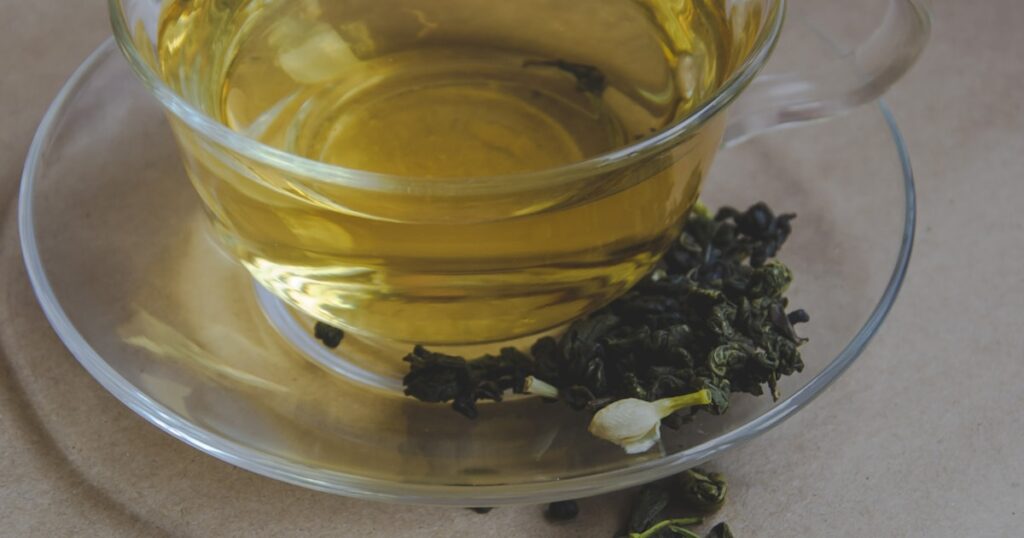
Polyphenols are a large class of plant chemicals that include flavonoids in berries, catechins in green tea, and procyanidins in cocoa. In randomized trials and mechanistic studies, polyphenols have been shown to upregulate tight junction proteins, suppress inflammatory NF-kB signaling, and shift the microbiome toward species that produce protective short-chain fatty acids. A 2022 review in Nutrients concluded that regular polyphenol intake supports barrier integrity and may attenuate diet-induced endotoxemia.
Dietary fiber and short-chain fatty acids
When gut bacteria ferment soluble fibers from oats, legumes, onions, and resistant starches, they produce short-chain fatty acids, especially butyrate. Butyrate is the preferred fuel for colon cells and helps maintain tight junction integrity. Research published in Gastroenterology indicates that low-fiber diets thin the mucus layer within days in animal models, while high-fiber, plant-forward eating patterns are consistently associated with stronger barrier function and lower inflammatory markers.
Cruciferous vegetables and AhR signaling
Broccoli, cabbage, kale, and Brussels sprouts contain glucosinolates that, after chewing or chopping, convert to compounds such as indole-3-carbinol and sulforaphane. These molecules activate the aryl hydrocarbon receptor (AhR) in the gut lining, a pathway studies in Immunity have linked to mucus production, epithelial repair, and balanced immune responses to the microbiome.
Fermented foods and the microbial layer
A 2021 study from Stanford University, published in Cell, found that adults who ate six servings per day of fermented foods such as yogurt, kefir, kimchi, sauerkraut, and kombucha over ten weeks showed significantly increased microbial diversity and reduced inflammatory markers compared with a high-fiber group alone. While not every person tolerates every fermented food, the data point to a real signal: live microbial cultures can complement plant compounds in reinforcing the gut barrier.
What the evidence suggests for daily habits
No single food rebuilds the gut overnight, but research points toward a consistent pattern. Diets emphasized in long-term cohort studies, such as Mediterranean and traditional plant-forward eating patterns, share several barrier-supportive features:
- Twenty-five to forty grams of fiber per day from beans, lentils, whole grains, vegetables, and fruit.
- Multiple servings of polyphenol-rich foods, including berries, leafy greens, olives, extra-virgin olive oil, green or black tea, and dark cocoa.
- Regular intake of cruciferous vegetables, ideally lightly cooked or briefly steamed to preserve key compounds.
- Small daily portions of fermented foods that the individual tolerates well.
- Lower intake of ultra-processed foods, added sugars, and excessive alcohol, all of which research links to barrier dysfunction.
Adequate sleep, regular movement, and stress management also matter. Studies in Brain, Behavior, and Immunity indicate that chronic psychological stress can increase intestinal permeability through neuroimmune pathways, independent of diet.
When to talk to a healthcare provider
Persistent bloating, unintended weight loss, blood in the stool, chronic diarrhea, or severe abdominal pain are not signs to manage with grocery list changes. They are reasons to see a clinician. A gastroenterologist can evaluate for celiac disease, inflammatory bowel disease, infection, and other conditions that genuinely require diagnosis and treatment.
For most people without those red flags, gradually shifting toward a fiber-rich, polyphenol-dense, minimally processed pattern of eating is one of the better-supported strategies the current literature offers. The gut barrier was built to be resilient. The research increasingly suggests that the everyday plants on your plate are part of what keeps it that way.
Disclosure: This content is for informational purposes only and is not medical advice. Always consult a qualified healthcare provider before making changes to your health regimen.