
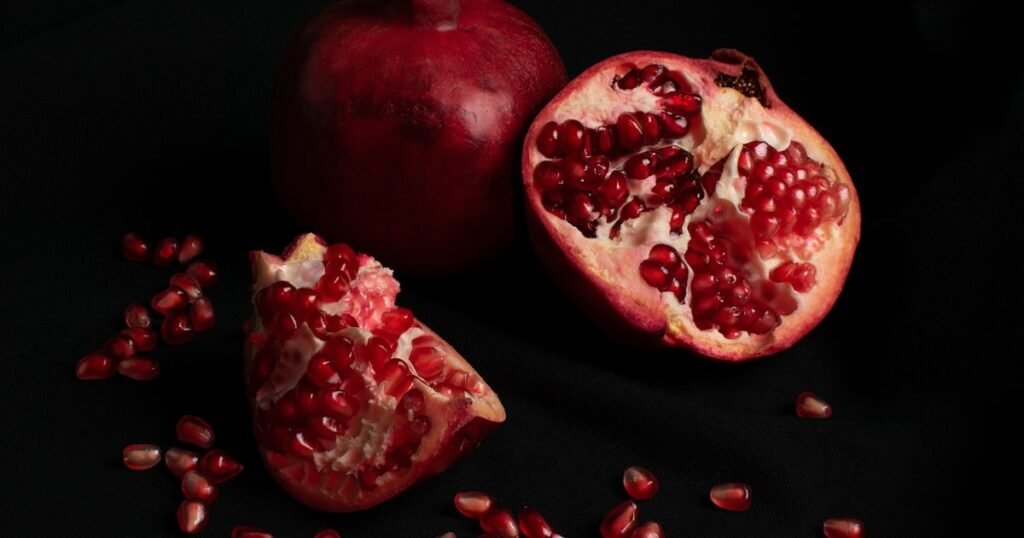
A newly published study is drawing fresh attention to a compound derived from pomegranates — and the gut bacteria that unlock it. Researchers report that urolithin A, a metabolite the human microbiome produces from pomegranate polyphenols, appears to strengthen a specific type of ailing heart tissue. The findings, published in Science Advances, focus on heart failure with preserved ejection fraction (HFpEF), a stubborn form of heart disease with few effective drug options.
The results are early — animal models and lab-grown human heart tissue rather than clinical trials — but they add to a growing body of evidence that certain plant compounds may play a meaningful role in cardiovascular health.
What the Study Found
Researchers reported that treatment with urolithin A produced up to an 80% improvement in heart function in animal models of HFpEF. In engineered human heart tissue grown from stem cells, the compound improved muscle relaxation and reduced stiffness — two hallmarks of the diastolic dysfunction that defines HFpEF.
The team identified the biological target: a protein called PKG1alpha, which helps heart muscle relax between beats. When PKG1alpha activity is impaired, the ventricle stiffens and struggles to fill with blood, even when its pumping strength looks normal on standard tests.
“HFpEF is very common, but treatment options remain limited and do not directly address underlying problems,” said Joseph Burgoyne, PhD, one of the study’s authors.
Approximately half of all heart failure cases fall into the HFpEF category, according to the National Heart, Lung, and Blood Institute, and the condition disproportionately affects older adults, women, and people with obesity, diabetes, or hypertension.
What Is Urolithin A?
Urolithin A is not found directly in food. It is produced in the gut when certain bacteria break down ellagitannins — polyphenols abundant in pomegranates and a few other plants. This helps explain a longstanding puzzle in pomegranate research: benefits vary widely from person to person because not everyone hosts the microbes needed to produce urolithin A efficiently.
A 2017 study in Nature Metabolism was among the first to show urolithin A improved mitochondrial and muscle function in animal models. Subsequent research has connected the compound to mitophagy — the cellular recycling of damaged mitochondria — which may explain why its effects extend to tissues as energy-hungry as heart muscle.
Food Sources of Ellagitannins
- Pomegranates — the richest common source, in both juice and arils
- Raspberries, strawberries, and blackberries
- Walnuts and pecans
- Some varieties of tea, particularly muscadine and certain black teas
Why Heart Failure With Preserved Ejection Fraction Matters
Unlike the more familiar form of heart failure — in which the heart pumps too weakly — HFpEF involves a ventricle that pumps normally but cannot relax and fill properly. Symptoms include shortness of breath, fatigue, and fluid retention, particularly during exertion.
Drug options have historically been limited. Guideline-level therapies now include SGLT2 inhibitors, but many patients remain symptomatic. That gap is part of why urolithin A’s mechanism — restoring muscle relaxation rather than boosting pumping strength — is drawing interest.
What Earlier Research Suggests About Pomegranates
Pomegranate research has been active for two decades, though findings are mixed. A systematic review in Pharmacological Research found that pomegranate juice consumption was associated with modest reductions in systolic and diastolic blood pressure across multiple randomized trials.
Other work has linked pomegranate polyphenols to improvements in vascular function, LDL oxidation resistance, and markers of inflammation. Still, the American Heart Association has not endorsed any specific fruit as a therapy for heart disease, and most studies use juice concentrations far higher than typical dietary intake.
What This Study Does — and Doesn’t — Show
Studies indicate urolithin A can improve heart tissue relaxation in the lab and in animal models. But researchers were careful to note that there is not yet sufficient evidence to recommend pomegranates as a treatment for heart failure. Human clinical trials are needed to confirm whether dietary intake — or urolithin A supplementation — translates to measurable benefits in patients with HFpEF.
Several practical questions remain:
- Dose: How much pomegranate — or supplemental urolithin A — is needed to produce a clinical effect?
- Producers vs. non-producers: Roughly 30–40% of adults do not host the gut bacteria needed to convert ellagitannins into urolithin A efficiently, per microbiome research.
- Interactions: Pomegranate juice can affect the metabolism of certain medications, including some statins and blood pressure drugs.
A Reasonable Way to Include Pomegranates in Your Diet
Even setting aside the HFpEF findings, whole pomegranate arils and unsweetened juice fit comfortably into most heart-healthy eating patterns. The Harvard T.H. Chan School of Public Health recommends a wide variety of colorful fruits and vegetables, and pomegranate arils are a low-calorie source of fiber, vitamin C, and potassium.
Practical, low-risk approaches include:
- Adding a small handful of fresh arils to yogurt, salads, or oatmeal several times a week
- Substituting a small glass of unsweetened pomegranate juice for higher-sugar beverages
- Combining ellagitannin-rich foods (berries, walnuts) with a fiber-rich diet that supports a diverse gut microbiome
The Bottom Line
Research on urolithin A adds a plausible mechanism to the longstanding case that pomegranates and related plant foods support cardiovascular health. The Science Advances findings are promising for HFpEF, but they are early-stage and do not yet justify treating pomegranate juice or supplements as medicine.
For anyone managing heart failure, high blood pressure, or taking prescription medications, the safest path is to talk with a cardiologist or primary-care clinician before adding pomegranate juice, extracts, or urolithin A supplements to a regimen. Whole-food intake of pomegranate arils, berries, and walnuts remains a low-risk, evidence-consistent choice for most healthy adults.
Disclosure: This content is for informational purposes only and is not medical advice. Always consult a qualified healthcare provider before making changes to your health regimen.