
Cervical cancer remains one of the most preventable cancers worldwide, with vaccination against human papillomavirus (HPV) and regular screening as the cornerstones of prevention. Yet emerging research suggests diet may play a supporting role, particularly through antioxidants found in colorful fruits and vegetables. A growing body of evidence points to a link between higher intake of certain plant compounds and a reduced risk of cervical dysplasia and cervical cancer.
According to the World Health Organization, cervical cancer is the fourth most common cancer in women globally, with an estimated 660,000 new cases and 350,000 deaths in 2022. Nearly all cases are attributable to persistent infection with high-risk HPV types. That is where nutrition enters the conversation: antioxidants may help the immune system clear HPV infections before they progress.
How Antioxidants May Influence Cervical Health
The pathway from HPV infection to cervical cancer usually takes 15 to 20 years, and only a small fraction of infections progress. Oxidative stress, an imbalance between free radicals and the body’s ability to neutralize them, is thought to influence whether HPV persists and whether abnormal cells develop.
A review published in Nutrients outlines how oxidative damage to cervical cells can promote the integration of HPV DNA into the host genome, an event linked to progression toward cancer. Antioxidants may counter this damage by neutralizing reactive oxygen species and supporting DNA repair mechanisms.
Key Nutrients Studied
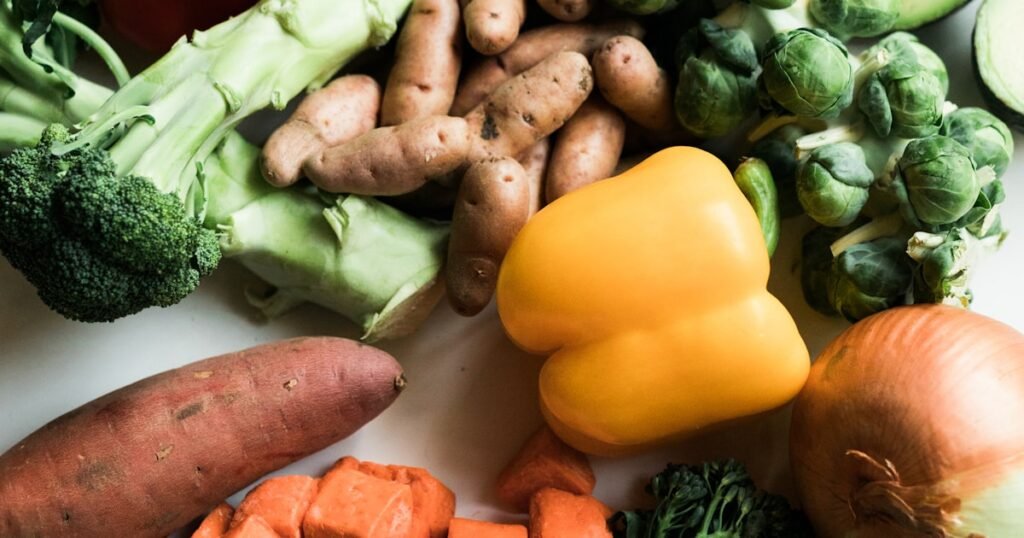
- Carotenoids (beta-carotene, lycopene, lutein, zeaxanthin): abundant in carrots, sweet potatoes, tomatoes, leafy greens, and orange squash.
- Vitamin C: concentrated in citrus fruits, bell peppers, broccoli, strawberries, and kiwi.
- Vitamin E (tocopherols): found in almonds, sunflower seeds, avocado, and wheat germ.
- Folate: rich in leafy greens, lentils, beans, and fortified grains; studied for its role in DNA methylation and cell repair.
- Polyphenols and flavonoids: present in green tea, berries, cocoa, and colorful vegetables.
What the Studies Suggest
A 2020 meta-analysis in the Nutrition and Cancer journal pooled results from multiple case-control studies and found that higher dietary intake of carotenoids, vitamin C, and vitamin E was associated with a lower risk of cervical intraepithelial neoplasia (CIN) and invasive cervical cancer. Beta-carotene showed one of the strongest inverse associations, with women in the highest intake groups showing roughly 30 to 40 percent lower odds of disease compared with those in the lowest intake groups.
Folate has received particular attention. A study in the Journal of the National Cancer Institute found that women with higher circulating folate levels were less likely to progress from low-grade cervical lesions to more advanced disease. Researchers hypothesize that folate supports proper DNA methylation and may hinder HPV integration.
Green tea polyphenols, especially epigallocatechin gallate (EGCG), have shown promise in laboratory settings for slowing the growth of HPV-infected cells, according to research summarized by the National Cancer Institute. Clinical evidence in humans is still preliminary and does not yet support green tea as a standalone therapy.
Important Limitations
Most of the human evidence comes from observational studies, which can suggest associations but cannot prove that antioxidants directly cause a lower cancer risk. Diet is complex, and people who eat more vegetables often differ in other ways from those who eat fewer, such as exercise habits, smoking status, and access to healthcare.
Large randomized trials of antioxidant supplements have generally failed to show cancer prevention benefits and, in some cases, have raised concerns. The well-known CARET and ATBC trials found that high-dose beta-carotene supplements increased lung cancer risk in smokers. This reinforces a consistent theme in nutrition science: whole foods appear to outperform isolated pills.
Practical Ways to Get More Antioxidants
Rather than reaching for supplements, most researchers recommend building a diet rich in a variety of plant foods. Simple strategies include:
- Fill half your plate with vegetables and fruit, aiming for at least five servings a day. Different colors deliver different antioxidants.
- Include leafy greens most days, such as spinach, kale, or Swiss chard, for folate and lutein.
- Add tomatoes and tomato-based sauces for lycopene, a carotenoid that becomes more bioavailable when cooked with a little oil.
- Snack on nuts and seeds like almonds and sunflower seeds for vitamin E.
- Choose whole grains and legumes for folate and fiber, which also supports the gut microbiome.
- Consider green tea as a low-calorie beverage that supplies polyphenols.
Diet Is Not a Replacement for Screening or Vaccination
Public health authorities are unanimous that HPV vaccination and regular cervical screening (Pap and HPV tests) are by far the most effective ways to prevent cervical cancer. The CDC recommends HPV vaccination for adolescents and young adults, and the U.S. Preventive Services Task Force outlines screening intervals based on age and risk. A nutrient-dense diet is best viewed as a complement to these proven measures, not a substitute.
The Bottom Line
Research suggests that a diet rich in antioxidant-containing whole foods, particularly colorful fruits and vegetables, leafy greens, and legumes, may support the body’s defenses against persistent HPV infection and cervical cancer progression. The evidence is strongest for dietary patterns rather than individual supplements. Combined with HPV vaccination and regular screening, a nutrient-rich diet is a sensible layer of protection.
Consult your healthcare provider about your screening schedule, vaccination status, and any personalized nutrition questions, especially if you have a history of abnormal Pap results, immune conditions, or are considering supplements.
Disclosure: This content is for informational purposes only and is not medical advice. Always consult a qualified healthcare provider before making changes to your health regimen.