
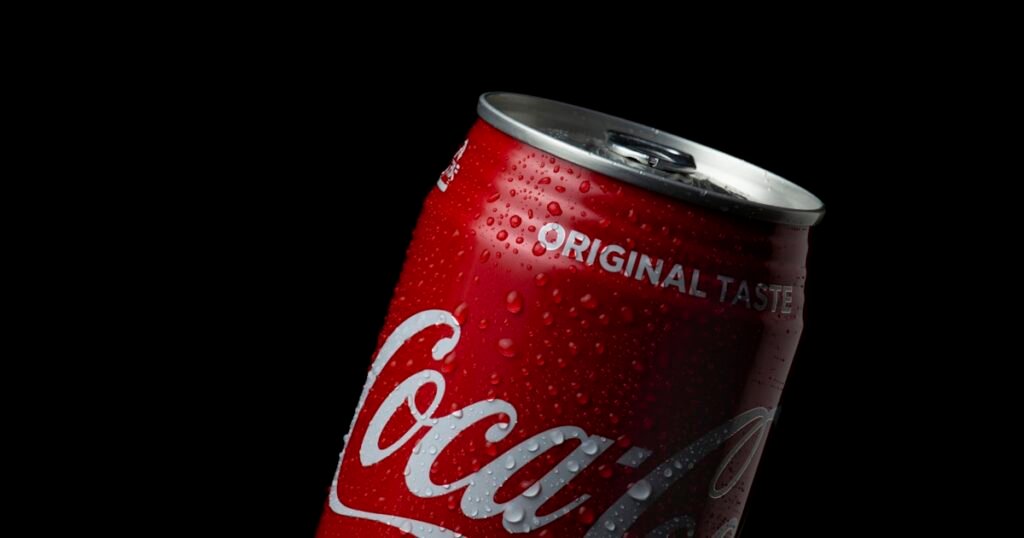
Sugar-sweetened beverages have long been tied to weight gain, type 2 diabetes and heart disease. A growing body of research now links them to another concern: an increased risk of stomach (gastric) cancer. While the strongest single-food driver of stomach cancer remains salted and processed meats, evidence from large cohorts suggests daily soda, energy drinks and sweetened juices may add measurable risk on top of that.
Stomach cancer is the fifth most common cancer worldwide and the fourth leading cause of cancer death, according to the International Agency for Research on Cancer (IARC). Rates are highest in East Asia, but early-onset cases in younger adults are rising in many Western countries.
What the Research Shows
The Japan Public Health Center-based Prospective Study (JPHC), one of the largest and longest-running Asian cohorts, followed more than 90,000 adults for an average of 17 years. Researchers reported in the European Journal of Clinical Nutrition in 2023 that participants who consumed sugary drinks most frequently had a modestly higher risk of gastric cancer than those who rarely drank them, with the association most consistent in men and among those who drank sweetened beverages nearly every day.
A 2024 pooled analysis in the British Journal of Cancer combined data from several European and North American cohorts and reached a similar conclusion: each additional serving per day of sugar-sweetened beverages was associated with a small but statistically significant increase in overall gastrointestinal cancer risk, including stomach and colorectal cancers. Effect sizes across studies typically fall between a 10% and 30% relative increase for the heaviest drinkers, though absolute risk changes at the individual level remain modest.
Not every study finds a link. Some analyses adjusted for body weight and diet quality see the association shrink, suggesting sugary drinks may act partly through weight gain and metabolic changes rather than a direct effect on stomach tissue.
Why the Signal Is Plausible
Researchers have proposed several mechanisms that could explain how sweetened beverages might influence stomach cancer risk:
- Chronic hyperglycemia and insulin resistance. Frequent sugar spikes raise insulin and insulin-like growth factor-1 (IGF-1), both of which can promote cell proliferation and inhibit apoptosis in gastrointestinal tissues, according to reviews published in Nutrients.
- Obesity. Regular consumption of sugary drinks is one of the most consistent dietary predictors of weight gain. Excess body fat is itself a recognized risk factor for cardia gastric cancer, per the World Cancer Research Fund (WCRF).
- Gut microbiome shifts. High-sugar diets can reduce microbial diversity and increase inflammatory metabolites, changes that may create a more cancer-permissive environment in the upper GI tract.
- Advanced glycation end-products (AGEs). Some caramel-colored sodas contain compounds like 4-methylimidazole and higher AGE levels, which have been flagged for further study by regulators.
How Much Matters
Public-health bodies increasingly frame sugary drinks the way they once framed added dietary fat, as a discretionary category to limit rather than eliminate. The World Health Organization recommends that free sugars provide no more than 10% of daily energy intake, with a conditional target of under 5%. For an adult eating 2,000 calories a day, that ceiling is roughly 25 to 50 grams of added sugar, less than what a single 20-ounce cola contains (around 65 grams).
The 2020-2025 Dietary Guidelines for Americans identify sugar-sweetened beverages as the largest single source of added sugars in the U.S. diet, contributing about 24% of total added sugar intake, and recommend limiting them across all age groups.
Diet Sodas and Fruit Juice
Evidence on artificially sweetened beverages and stomach cancer is currently limited and inconsistent. The IARC classified aspartame as “possibly carcinogenic to humans” (Group 2B) in 2023, largely based on limited evidence for liver cancer, not stomach cancer. Fruit juices, though marketed as natural, deliver a similar sugar load per serving as soda and share many of the metabolic effects, especially when consumed daily and in place of whole fruit.
The Bigger Risk Picture
Sugary drinks are one modifiable factor, but they operate alongside stronger drivers of stomach cancer. According to the WCRF and IARC, the best-established risk factors include:
- Helicobacter pylori infection, responsible for the majority of non-cardia gastric cancers worldwide.
- High intake of salt-preserved and processed meats.
- Tobacco use.
- Low intake of fresh fruits and vegetables.
- Family history and certain inherited genetic mutations.
Addressing these bigger levers, particularly testing for and treating H. pylori when indicated, still offers the largest per-person reduction in risk. Reducing sugary-drink intake is a complementary step, not a substitute.
Practical Takeaways
Based on the current evidence base, common-sense approaches supported by dietary guidelines include:
- Treat soda, energy drinks and sweetened iced teas as occasional beverages rather than daily staples.
- Default to water, unsweetened tea, coffee or sparkling water for daily hydration.
- Choose whole fruit over fruit juice when possible to preserve fiber and slow sugar absorption.
- Read labels: many “vitamin waters,” sports drinks and coffee beverages contain 20-40 grams of added sugar per bottle.
- Balance the plate with vegetables, whole grains and minimally processed proteins, patterns consistently associated with lower gastric and overall cancer risk.
Emerging research does not suggest a single sugary drink causes stomach cancer, and no food or beverage acts in isolation. What the evidence does suggest is that daily consumption, especially when layered onto smoking, high salt intake or untreated H. pylori infection, incrementally raises risk. For readers weighing lifestyle changes, reducing sugar-sweetened beverages is one of the higher-yield, lower-effort adjustments backed by both metabolic and cancer-prevention research.
Anyone with a family history of stomach cancer, persistent digestive symptoms, or concerns about beverage habits should speak with a qualified healthcare provider, who can review individual risk factors and screening options.
Disclosure: This content is for informational purposes only and is not medical advice. Always consult a qualified healthcare provider before making changes to your health regimen.