
For decades, the advice on high blood pressure has centered on one word: salt. Cut back on sodium, and your numbers should follow. But a growing body of research suggests that story is only half complete. The other half sits quietly on the periodic table, one row below sodium: potassium.
Emerging trials indicate that boosting potassium through everyday foods may lower blood pressure as effectively as, or in some cases more effectively than, cutting sodium alone. And most people in Western countries fall well short of the potassium they need.
The Sodium-Potassium Balance
Sodium and potassium work as chemical opposites in the body. Sodium pulls water into the bloodstream, raising volume and pressure inside blood vessels. Potassium helps the kidneys excrete excess sodium and relaxes the walls of blood vessels, easing that pressure.
When potassium intake is low, sodium’s blood-pressure-raising effect is amplified. When potassium intake is high, some of that effect is buffered. This is why researchers increasingly talk about the sodium-to-potassium ratio rather than sodium in isolation.
The American Heart Association recommends adults consume between 3,500 and 5,000 milligrams of potassium daily. The typical intake in the United States, according to NHANES survey data cited by the National Institutes of Health, hovers around 2,600 milligrams. That is a substantial daily gap for tens of millions of adults.
What the Research Shows
A landmark meta-analysis
A widely cited 2013 meta-analysis published in The BMJ pooled data from 33 randomized controlled trials and reported that increased potassium intake was associated with a meaningful reduction in systolic and diastolic blood pressure in adults with hypertension. The same review linked higher potassium consumption with a roughly 24 percent lower risk of stroke.
The World Health Organization has since issued a guideline recommending an intake of at least 3,510 milligrams of potassium per day for adults, citing evidence that adequate potassium reduces blood pressure and cardiovascular disease risk.
The salt-substitute trial
One of the most compelling studies on the sodium-potassium relationship is the Salt Substitute and Stroke Study (SSaSS), published in the New England Journal of Medicine in 2021. Researchers followed roughly 21,000 adults in rural China who were at elevated risk of stroke. Half were given a salt substitute in which about 25 percent of the sodium chloride was replaced with potassium chloride; the other half continued using regular salt.
After nearly five years, the salt-substitute group had a 14 percent lower rate of stroke, a 13 percent lower rate of major cardiovascular events, and a 12 percent lower rate of death from any cause. The change was as simple as swapping the shaker on the kitchen table.
Recent context
More recent reviews continue to reinforce this pattern. A 2022 analysis in the European Heart Journal concluded that combining modest sodium reduction with increased dietary potassium had a greater blood-pressure-lowering effect than either strategy alone. Guidance from the American College of Cardiology and American Heart Association now explicitly names potassium-rich eating patterns, such as the DASH diet, among first-line lifestyle interventions for elevated blood pressure.
Foods Highest in Potassium
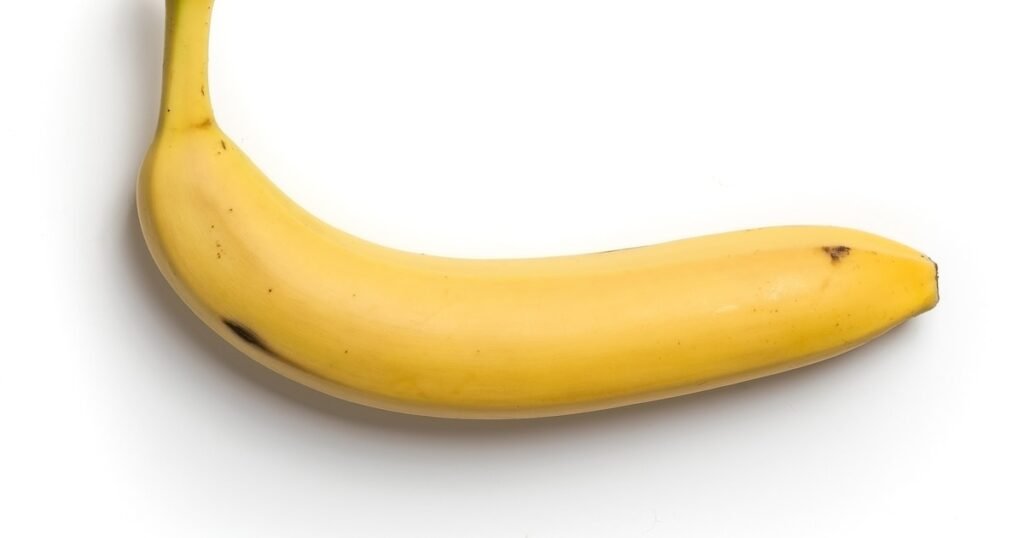
Bananas are the food most people associate with potassium, but they are not the richest source. According to the U.S. Department of Agriculture’s FoodData Central, a medium banana provides about 420 milligrams. Several everyday foods offer significantly more per serving:
- Baked potato with skin — about 925 milligrams per medium potato
- Cooked white beans — roughly 1,000 milligrams per cup
- Avocado — approximately 975 milligrams per whole fruit
- Cooked spinach — around 840 milligrams per cup
- Sweet potato — about 540 milligrams per medium tuber
- Salmon — roughly 625 milligrams per fillet
- Plain yogurt — around 380 milligrams per cup
- Dried apricots — approximately 750 milligrams per half cup
Building a couple of these into daily meals often closes the potassium gap without any supplement. The DASH (Dietary Approaches to Stop Hypertension) eating pattern, developed with NIH funding, is essentially a framework for hitting these targets through fruits, vegetables, legumes, low-fat dairy, and whole grains.
Who Should Be Cautious
Potassium is powerful, and for some people that power requires medical oversight. The National Kidney Foundation notes that adults with chronic kidney disease may not clear potassium efficiently, and dangerously high blood levels (hyperkalemia) can disrupt heart rhythm.
People taking certain blood pressure medications, including ACE inhibitors, angiotensin receptor blockers, and potassium-sparing diuretics, may also retain more potassium than usual. Salt substitutes that replace sodium with potassium chloride, while beneficial for many, can push these individuals into risky territory.
Anyone with kidney disease, heart failure, diabetes, or a medication regimen that affects electrolytes should talk with a clinician before deliberately increasing potassium intake or switching to a potassium-based salt substitute.
Practical Ways to Boost Potassium
For most healthy adults, small, consistent changes tend to add up faster than dramatic ones:
- Add a handful of spinach or beans to soups, pasta, and grain bowls.
- Keep the skin on potatoes and sweet potatoes when roasting or baking.
- Choose an avocado, banana, or cup of yogurt as a snack instead of packaged options.
- Cook dried beans or lentils in batches and refrigerate them for the week.
- Consider a potassium-enriched salt substitute if a clinician confirms it is safe for you.
Reducing ultra-processed foods generally helps on both sides of the ledger. Packaged snacks, deli meats, canned soups, and restaurant meals tend to be simultaneously high in sodium and low in potassium — the exact opposite of what the blood vessels prefer.
The Bottom Line
Cutting sodium remains important, but the emerging picture is one of balance rather than restriction. Research suggests that eating more potassium-rich whole foods — vegetables, legumes, fruit, fish, and dairy — may do at least as much for blood pressure as trimming salt, and often does more when the two strategies are combined.
Blood pressure is a long game, and no single food changes it in a day. But over months and years, closing the potassium gap appears to be one of the most quietly powerful moves the average diet can make.
Disclosure: This content is for informational purposes only and is not medical advice. Always consult a qualified healthcare provider before making changes to your health regimen.