
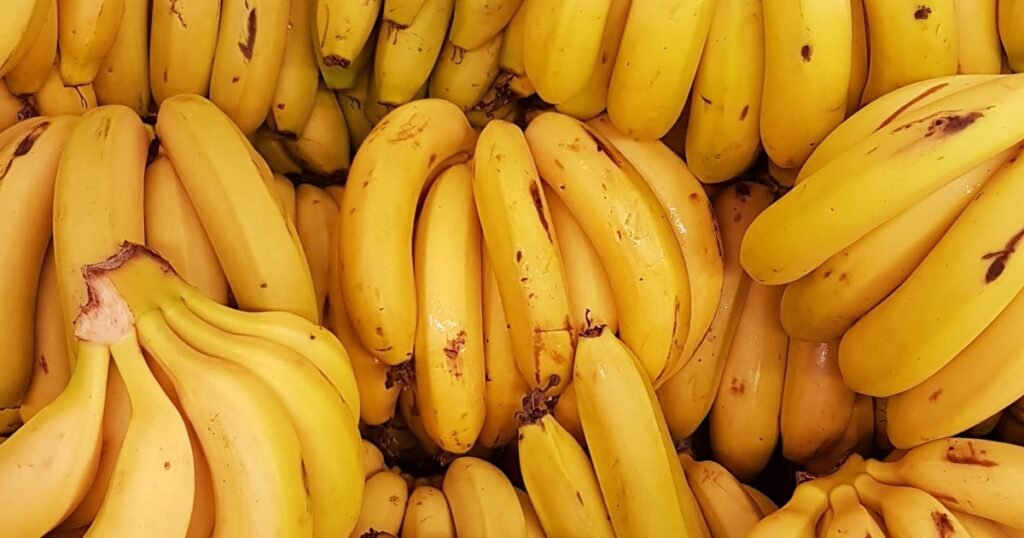
For decades, the message on blood pressure was simple: eat less salt. But a growing body of research suggests the sodium side of the equation may only be half the story. Boosting potassium — a mineral abundant in bananas, beans, potatoes and leafy greens — appears to lower blood pressure and reduce cardiovascular risk, sometimes independently of how much sodium a person consumes.
The World Health Organization and American Heart Association have both updated guidance in recent years to emphasize the sodium-to-potassium ratio rather than sodium alone. New clinical trials and mechanistic studies are helping explain why.
What Potassium Does in the Body
Potassium is an essential electrolyte that helps regulate fluid balance, nerve signaling and muscle contraction. In the cardiovascular system, it counteracts several effects of sodium: it helps the kidneys excrete excess salt, relaxes blood vessel walls, and moderates the response of smooth muscle to stress hormones.
The typical American diet delivers roughly 2,500 milligrams of potassium per day. Both the WHO and U.S. Dietary Guidelines recommend at least 3,400 mg for adult men and 2,600 mg for adult women — a target most people miss.
What the Research Shows
Population Studies
A pooled analysis of 33 randomized controlled trials published by the National Institutes of Health found that increasing potassium intake was associated with a reduction in systolic blood pressure of roughly 3–4 mmHg in adults with hypertension, and about 2 mmHg in those with normal blood pressure. Even modest reductions of this size are meaningful at a population level, where every 2 mmHg drop in systolic pressure is linked to lower stroke and heart-disease mortality.
Salt Substitution Trials
One of the most influential recent studies, the Salt Substitute and Stroke Study (SSaSS), published in the New England Journal of Medicine in 2021, followed more than 20,000 adults across rural China who were randomized to either regular table salt or a substitute in which 25% of the sodium chloride was replaced with potassium chloride. Over roughly five years, the potassium-enriched salt group experienced a 14% lower rate of stroke, a 13% lower rate of major cardiovascular events and a 12% lower rate of death from any cause.
Diet-Based Evidence
The DASH (Dietary Approaches to Stop Hypertension) diet, extensively studied at NIH-funded centers, is built around foods naturally high in potassium, magnesium and calcium. Trials have shown DASH can lower systolic blood pressure by 8–14 mmHg in people with hypertension — a magnitude comparable to some single-drug therapies. Researchers attribute a substantial share of that effect to the diet’s potassium density.
Food-First Sources of Potassium
Whole foods deliver potassium alongside fiber and other nutrients that support cardiovascular health. Reliable sources include:
- Legumes: white beans (about 1,000 mg per cup, cooked), lentils, kidney beans
- Vegetables: baked potato with skin (about 900 mg), sweet potato, spinach, beet greens, Swiss chard, avocado
- Fruits: bananas (about 420 mg each), dried apricots, prunes, oranges, cantaloupe
- Fish: salmon, halibut, tuna
- Dairy: plain yogurt, milk
- Other: pistachios, tomato paste, coconut water
Research suggests that meeting potassium targets through food rather than supplements is preferable for most people, because whole-food matrices deliver a broader nutrient profile and appear more effective in trials.
The Sodium-to-Potassium Ratio
Some researchers now argue that the ratio of sodium to potassium in the diet is a more useful marker than either mineral alone. Analyses of NHANES data conducted by the U.S. Centers for Disease Control and Prevention have found that a higher sodium-to-potassium ratio is more strongly associated with cardiovascular mortality than sodium intake by itself.
Practically, this means two habits move the ratio in the right direction at once: replacing ultra-processed foods (which drive most sodium intake) with home-cooked meals, and building plates around vegetables, legumes and fruit.
Who Should Be Cautious
Potassium is not universally safe to increase without medical guidance. People with chronic kidney disease, advanced heart failure or type 1 diabetes, and those taking certain blood pressure medications — including ACE inhibitors, ARBs and potassium-sparing diuretics — can develop dangerously high blood potassium levels (hyperkalemia). The National Kidney Foundation advises anyone in these categories to consult their healthcare provider before changing potassium intake or switching to a potassium-enriched salt substitute.
For healthy adults with normal kidney function, dietary potassium from whole foods is considered safe; excess is excreted in urine.
What the Guidelines Now Say
In 2023, the WHO issued a conditional recommendation to replace regular salt with potassium-enriched salt substitutes in adults without kidney disease, citing the SSaSS trial and related evidence. The American Heart Association similarly emphasizes both cutting sodium and increasing potassium as complementary strategies for blood pressure control. The U.S. Dietary Guidelines list potassium as a “nutrient of public health concern” because average intakes fall well below recommended levels.
The Takeaway
Blood pressure control is one of the most powerful levers for preventing stroke and heart disease, and the science increasingly points to a two-sided approach: less sodium, more potassium. Studies indicate that shifting the balance — through more vegetables, legumes, fruit and fish, and less processed food — can produce measurable reductions in blood pressure, particularly in people who are already hypertensive. Individual medical circumstances vary, so anyone with kidney disease, heart failure or who takes blood pressure medication should consult their healthcare provider before making significant changes to potassium intake.
Disclosure: This content is for informational purposes only and is not medical advice. Always consult a qualified healthcare provider before making changes to your health regimen.