Most adults eat far more salt than their bodies need — and the consequences ripple from blood pressure to stroke risk to kidney health. In May 2026, the World Health Organization released the second edition of its SHAKE the salt habit technical package, a refreshed playbook for governments, clinicians, and individuals aiming to cut population-wide sodium intake. The update lands at a moment when research is increasingly clear: even modest reductions in salt can produce measurable cardiovascular benefits.
How Much Salt Are We Actually Eating?
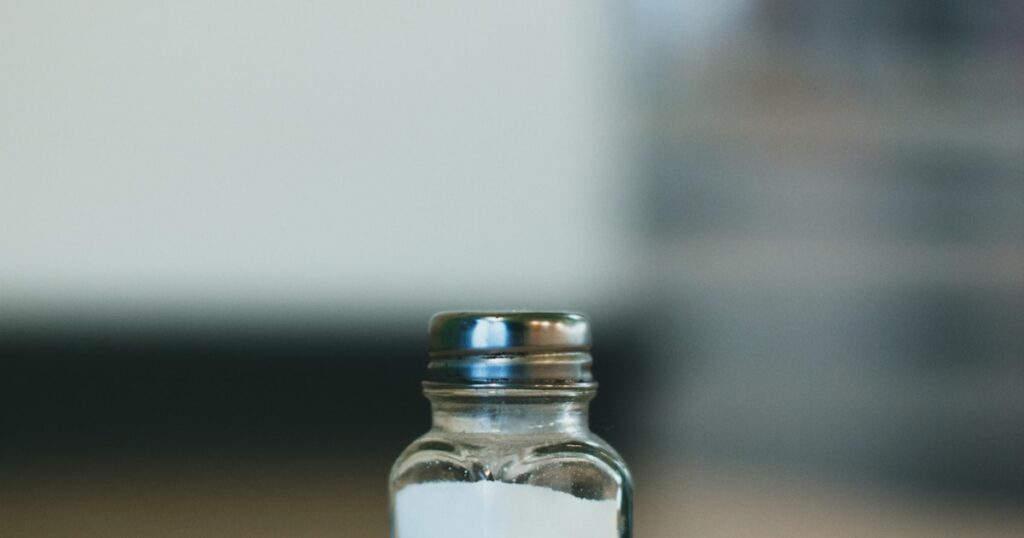
The WHO recommends adults consume less than 2,000 milligrams of sodium per day — roughly one teaspoon of table salt. Yet global mean intake is closer to 4,300 milligrams, more than double the target. In the United States, the Centers for Disease Control and Prevention estimate average sodium intake at about 3,400 milligrams daily, with more than 70% coming from packaged, processed, and restaurant foods rather than the salt shaker at home.
That distinction matters. Research suggests that shifting personal habits at the dinner table addresses only a fraction of overall exposure, which is why WHO’s updated framework emphasizes systemic interventions — front-of-package labels, reformulated processed foods, and public procurement standards — alongside individual behavior change.
What the Evidence Says About Salt and Blood Pressure
The link between dietary sodium and blood pressure is among the most studied associations in nutrition science. A 2020 Cochrane review of more than 130 randomized trials concluded that reducing sodium intake produces consistent, dose-dependent decreases in both systolic and diastolic blood pressure, with the largest effects in adults with hypertension.
A landmark cluster-randomized trial in rural China, published in the New England Journal of Medicine in 2021, tested whether swapping regular salt for a potassium-enriched substitute could lower cardiovascular events. Among more than 20,000 participants, the salt-substitute group experienced a 14% lower rate of stroke, an 13% lower rate of major cardiovascular events, and a 12% lower rate of death from any cause over roughly five years of follow-up.
Studies indicate that lowering daily sodium intake by even 1,000 milligrams — a realistic shift for many people — can reduce systolic blood pressure by several millimeters of mercury. That may sound small, but at the population level, the WHO estimates it could prevent millions of premature deaths from heart disease and stroke each year.
Beyond Blood Pressure: Other Risks of Excess Sodium
High sodium intake is not just a blood pressure issue. Observational research has linked elevated salt consumption to:
- Stroke: Independent of blood pressure changes, high-sodium diets appear to stiffen arteries and impair the lining of blood vessels.
- Kidney disease: Excess sodium forces the kidneys to work harder, and over time may accelerate decline in kidney function, particularly in people with diabetes or pre-existing renal issues.
- Stomach cancer: A 2022 meta-analysis in Clinical Nutrition reported a roughly 30% higher risk of gastric cancer among people with the highest salt intake compared with the lowest, possibly due to mucosal irritation and interactions with H. pylori infection.
- Bone health: Higher sodium intake increases urinary calcium loss, which some studies link to lower bone mineral density over time.
Where Hidden Sodium Hides
For most people, the biggest sources of dietary sodium are not obvious. According to dietary surveillance data, the largest contributors include:
- Bread, rolls, and tortillas
- Deli meats and cured meats
- Pizza and savory pastries
- Soups, sauces, and salad dressings
- Cheese
- Snack foods such as chips, crackers, and pretzels
- Restaurant and fast-food entrees
Even foods that taste mild — like cottage cheese, breakfast cereals, and instant oatmeal packets — can deliver several hundred milligrams of sodium per serving. Reading nutrition labels and choosing items with less than about 140 milligrams per serving (a Food and Drug Administration threshold for “low sodium”) is a practical starting point.
Practical Steps Backed by Research
Cutting sodium does not require bland food. Studies of taste adaptation suggest that after roughly two to three months of consistently lower intake, the salt-detection threshold resets, and many people report that previously normal-seeming foods taste overwhelmingly salty.
Evidence-supported strategies include:
- Cook more meals at home. Home-prepared food tends to contain a fraction of the sodium of comparable restaurant or processed versions.
- Use potassium-enriched salt substitutes — but only if your kidneys are healthy and you are not on medications that raise potassium, such as ACE inhibitors. Consult your healthcare provider first.
- Lean on herbs, citrus, vinegar, garlic, and spices to build flavor without adding sodium.
- Rinse canned beans and vegetables, which can lower their sodium content by 30 to 40%.
- Read labels and compare brands. Sodium content can vary fivefold for similar products such as breads, soups, and condiments.
- Increase potassium-rich foods such as bananas, leafy greens, beans, sweet potatoes, and yogurt; potassium helps the body excrete excess sodium and independently supports healthy blood pressure.
Should Everyone Cut Back?
The 2,000 mg daily upper limit applies to the general adult population. People with hypertension, heart failure, chronic kidney disease, or diabetes may benefit from individualized targets set by their clinical team. Athletes, outdoor workers in hot climates, and individuals with certain medical conditions like adrenal insufficiency or specific genetic disorders may have higher sodium needs and should not pursue aggressive restriction without medical guidance.
Research also continues to refine the picture. Some observational studies have suggested a U-shaped relationship — where very low sodium intake also correlates with adverse outcomes — although methodological debate around how intake is measured (single urine samples versus repeated 24-hour collections) means these findings are not the final word. Major bodies including the WHO, the American Heart Association, and the U.S. Dietary Guidelines continue to recommend reduction for the general population.
The Bottom Line
The WHO’s 2026 update reflects a growing global consensus: shaking the salt habit is one of the most cost-effective public health levers available, and individual changes meaningfully add up. Replacing processed foods with whole ingredients, swapping in a potassium-rich salt substitute where appropriate, and reading labels are concrete steps that align with what the evidence supports.
If you have high blood pressure, kidney disease, or take medications that influence electrolyte balance, talk to your healthcare provider before making major dietary changes — particularly before adopting potassium-enriched salt.
Disclosure: This content is for informational purposes only and is not medical advice. Always consult a qualified healthcare provider before making changes to your health regimen.