High blood pressure affects roughly 1.3 billion adults worldwide, according to the World Health Organization, and it remains one of the leading drivers of heart attacks, strokes, and kidney disease. Medications help, but so does what you put on your plate. A new meta-analysis published in BMJ Nutrition, Prevention & Health suggests one of the most affordable, accessible dietary swaps — eating more legumes and soy foods — could lower the risk of developing hypertension by up to 30%.
The findings, drawn from 12 long-term studies spanning the United States, Europe, and Asia, offer some of the strongest evidence yet that beans, lentils, chickpeas, tofu, and edamame deserve a more prominent place in heart-healthy eating patterns.
What the New Meta-Analysis Found
Researchers led by Michael Metoudi and colleagues at the NNEdPro Global Institute for Food, Nutrition and Health pooled data from prospective cohort studies published through June 2025. Sample sizes ranged from roughly 1,150 to more than 88,000 adults, with tens of thousands of newly diagnosed hypertension cases across the dataset.
The headline results, published in BMJ Nutrition, Prevention & Health (DOI: 10.1136/bmjnph-2025-001449):
- People with the highest legume intake were about 16% less likely to develop high blood pressure than those eating the least.
- Those eating the most soy foods showed a 19% lower risk of hypertension.
- A dose-response analysis suggested that roughly 170 grams of legumes per day (about one cup, cooked) was associated with a ~30% reduction in hypertension risk.
- For soy, consuming 60–80 grams daily — roughly half a block of tofu or a generous serving of edamame — corresponded with a 28–29% lower risk.
The researchers stressed that observational data cannot prove cause and effect, but the consistency across populations and the biological plausibility make a strong public-health case.
Why Beans and Soy May Lower Blood Pressure
Legumes and soy foods are nutrient-dense in ways that align closely with what cardiologists already recommend for healthy blood pressure. Studies indicate several overlapping mechanisms may be at play.
1. Potassium and Magnesium
A half-cup of cooked lentils contains around 365 mg of potassium and 35 mg of magnesium. Both minerals help blood vessels relax and counteract the effects of dietary sodium. According to the American Heart Association, higher potassium intake is consistently linked to lower blood pressure, particularly in adults consuming high-sodium diets.
2. Soluble Fiber and the Gut Microbiome
Beans are among the richest sources of soluble fiber in the human diet. When gut bacteria ferment this fiber, they produce short-chain fatty acids (SCFAs) like butyrate and propionate. Research published in Hypertension and other journals suggests SCFAs help signal blood vessels to widen, improving endothelial function and reducing arterial stiffness.
3. Soy Isoflavones
Soy foods uniquely contain isoflavones — plant compounds with mild estrogen-like activity. A 2020 meta-analysis in the Journal of the American Heart Association found that regular soy consumption was associated with a modest but meaningful reduction in cardiovascular events. Isoflavones may help boost nitric oxide production, which keeps arteries flexible.
4. Displacing Less Healthy Foods
There’s also a substitution effect. When beans and tofu replace processed meats, refined carbohydrates, or salty snacks, blood pressure tends to fall — partly because of what’s added, and partly because of what’s left out.
How Much Is Enough?
The optimal intake suggested by the meta-analysis — about a cup of cooked legumes daily or 2–3 servings of soy foods per week — is well above what most Americans currently consume. According to U.S. dietary survey data, average legume intake hovers around one-quarter cup per day, well short of the levels associated with the biggest blood pressure benefit.
Practical ways to bridge the gap include:
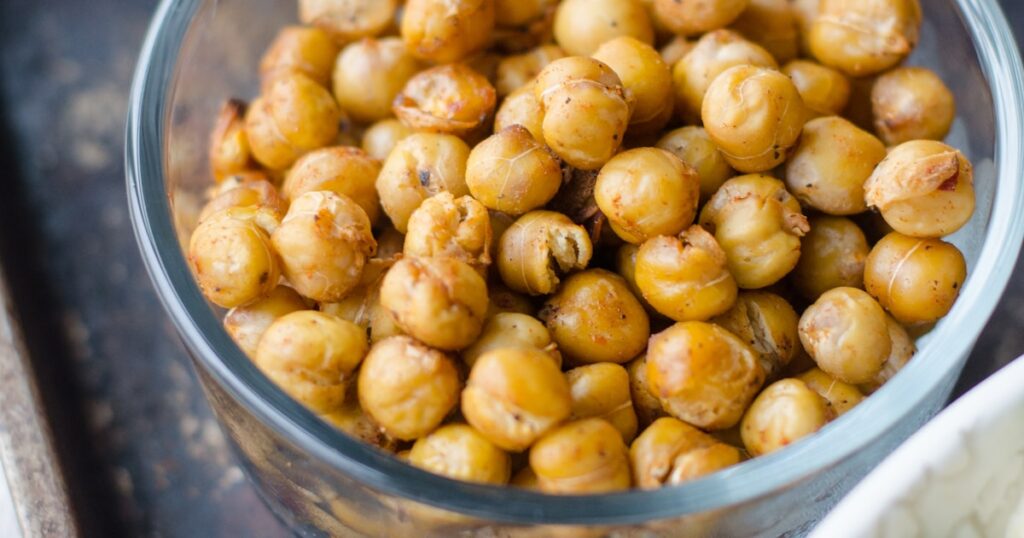
- Adding black beans or chickpeas to salads, grain bowls, and soups.
- Swapping ground meat for lentils in tacos, chili, or pasta sauce a few times per week.
- Choosing edamame, tempeh, or tofu as the protein in stir-fries.
- Using hummus or white-bean dip in place of higher-sodium spreads.
Who Should Be Cautious?
For most adults, legumes are safe and broadly beneficial. However, there are a few considerations:
- Kidney disease: People with advanced chronic kidney disease may need to limit high-potassium foods. Studies indicate intake should be tailored under medical supervision.
- Thyroid conditions: Soy can interfere with absorption of certain thyroid medications if eaten at the same time; spacing doses by a few hours typically resolves this.
- Digestive sensitivity: Adding fiber gradually — and soaking, sprouting, or pressure-cooking dried beans — helps minimize bloating.
How This Fits the Bigger Picture
The new findings reinforce dietary patterns already endorsed by major health bodies. The DASH diet (Dietary Approaches to Stop Hypertension), which emphasizes vegetables, whole grains, lean proteins, and legumes, has been shown in randomized trials to lower systolic blood pressure by 8–14 mmHg — a reduction comparable to some blood pressure medications. The Mediterranean diet and plant-forward eating patterns share similar foundations.
What sets the new BMJ analysis apart is the specific quantification — putting a number on how much legumes and soy each contribute to reducing hypertension risk. For people looking for one concrete change to make this week, “eat a cup of beans most days” is a remarkably actionable answer.
The Bottom Line
Hypertension rarely has a single cause, and no single food will replace exercise, sleep, stress management, or prescribed medication. But research suggests that consistently choosing beans, lentils, and soy foods can meaningfully tilt the odds in favor of healthier blood pressure over a lifetime.
If you’re already managing high blood pressure or taking antihypertensive drugs, talk with your healthcare provider before making large dietary changes. For most people, however, the message from this growing body of evidence is encouraging: a humble bowl of beans may be one of the most powerful — and underused — tools in cardiovascular prevention.
Disclosure: This content is for informational purposes only and is not medical advice. Always consult a qualified healthcare provider before making changes to your health regimen.