
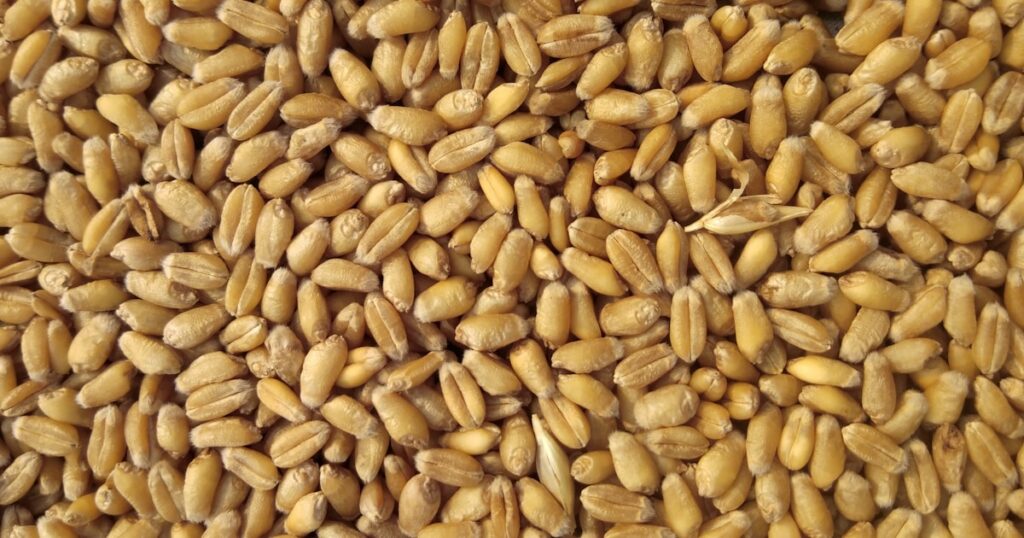
Spermidine sounds exotic, but it is sitting in your refrigerator. Wheat germ, aged cheese, mushrooms, and soy are among the everyday foods that supply this small polyamine, and a growing body of research suggests that people who consume more of it may live longer and stay sharper as they age.
Spermidine is one of the more compelling characters in modern longevity science. The animal data is unusually consistent, the proposed mechanism is well understood, and the human evidence — while still observational — points in the same direction. Here is what the research currently shows.
What is spermidine?
Spermidine is a naturally occurring polyamine, a small molecule that almost every cell in the body produces and uses. It plays a role in DNA stability, cell growth, and the regulation of gene expression. Its name traces back to its discovery in semen in the 1600s, but it is now known to be widespread in plants, animals, and microbes.
Three sources contribute to the spermidine in your body: your own cells, the bacteria in your gut, and the food you eat. The relative contribution of each shifts with age. As the National Institute on Aging has noted in commentary on polyamine research, internal spermidine production tends to decline in older adults, which makes dietary intake more important over time.
The autophagy connection
The reason spermidine attracts so much attention from aging researchers is its link to autophagy, the cellular “self-eating” process that breaks down damaged proteins and worn-out organelles so that cells can recycle the parts. Autophagy is recognized as one of the hallmarks of aging by the influential 2013 and 2023 reviews in Cell, and its decline is associated with cardiovascular disease, neurodegeneration, and metabolic dysfunction.
Work led by Frank Madeo at the University of Graz and colleagues, published in Nature Cell Biology, demonstrated that spermidine induces autophagy in yeast, flies, worms, and mammalian cells, and that this effect is necessary for its life-extending properties in those organisms. Subsequent studies have extended the finding to mice, where supplementation with spermidine has been shown to prolong lifespan and reduce age-related cardiac decline.
What human studies show
Researchers cannot run lifespan trials in humans the way they do in mice, so most human data on spermidine comes from observational studies of dietary intake. Several have aligned with the animal work.
An analysis of the Bruneck Study, published in The American Journal of Clinical Nutrition, followed more than 800 adults in northern Italy for two decades and reported that those in the highest tier of dietary spermidine intake had roughly a five-year survival advantage over those in the lowest tier, even after adjustment for diet quality and other risk factors. A separate analysis using U.S. National Health and Nutrition Examination Survey data, published in Frontiers in Nutrition, found that higher spermidine intake was associated with lower all-cause mortality in a large cross-section of American adults.
Smaller clinical trials have looked at cognition. A randomized study of older adults at risk of dementia, published in Cortex, found that three months of wheat germ extract supplementation rich in spermidine produced modest improvements on memory tests compared with placebo. The effect was small and the sample size limited, but a follow-up trial called SmartAge reported a similar signal in a larger group.
None of this proves causation in humans. But the convergence of strong animal evidence, plausible mechanism, and consistent observational signals is the kind of pattern that justifies further investigation.
Best food sources of spermidine
Dietary intake varies widely across populations, and the foods that drive it tend to be plant-based or fermented:
- Wheat germ — the single most concentrated common source, with several milligrams of spermidine per tablespoon. Sprinkling it on oatmeal or yogurt is a simple way to raise intake.
- Aged and ripened cheeses — cheddar, blue cheese, and similar varieties accumulate spermidine during fermentation.
- Mushrooms — especially shiitake and oyster mushrooms.
- Soybeans and soy products — natto, tempeh, and edamame are notable sources.
- Legumes — lentils, chickpeas, and dried peas.
- Whole grains — whole wheat, rye, and barley.
- Leafy greens and broccoli — modest but reliable contributors.
Researchers estimate that typical Western diets supply between 7 and 15 milligrams of spermidine per day, while Mediterranean and traditional Japanese dietary patterns can push that figure substantially higher, partly through fermented foods and partly through legumes and whole grains.
Supplements: what is on the market
Spermidine supplements have multiplied in the past few years, most often sold as wheat germ extract standardized to a specific spermidine content of one to several milligrams per capsule. The doses used in cognitive trials have ranged from about one to three milligrams per day, well within the range that can also be reached through food.
Pure synthetic spermidine is sold as well, though regulatory status varies by country. The European Food Safety Authority has reviewed dietary spermidine and considers intake at typical food-level doses safe in healthy adults, but has called for more data on long-term supplementation at higher doses.
Two practical points are worth knowing. First, the supplement market is loosely regulated in the United States, and independent testing has found that polyamine content does not always match label claims. Choosing third-party tested products reduces this risk. Second, most of the strongest evidence for spermidine’s effects is tied to food-pattern intake, not to isolated pills.
Safety and who should be cautious
Spermidine is present in nearly every food, so dietary intake is not a safety concern for healthy adults. Supplementation in clinical trials at one to three milligrams per day has been well tolerated, with no significant adverse events reported in published studies of older adults.
Several groups should approach supplementation with more care. Because polyamines support cell growth in general, people with active cancers should not start spermidine supplements without speaking to their oncology team, since the interaction between polyamines and tumor biology is still being studied. Pregnancy and breastfeeding are also categories where safety data is limited, and clinical trials have generally excluded these groups.
People taking medications for autoimmune disease, organ transplant, or other conditions that involve the immune system should discuss spermidine with their prescriber, since modulation of autophagy and inflammation can interact with these therapies in ways that are not fully mapped.
How to think about spermidine
Among the many compounds promoted under the longevity banner, spermidine has a stronger evidence base than most. It is tied to a well-defined cellular mechanism, the animal data is replicated across multiple labs, and the human observational signals are consistent.
The most reliable way to act on the research today is also the simplest: build meals around the foods that already supply meaningful spermidine. Whole grains, legumes, mushrooms, leafy greens, fermented foods, and modest amounts of aged cheese cover the bases and bring along many other nutrients implicated in healthy aging. Wheat germ is an easy and inexpensive add-on for anyone who wants to raise intake further without committing to a supplement.
For those considering spermidine capsules, the case is reasonable but not yet settled, and a conversation with a qualified healthcare provider is the right starting point — particularly if you take prescription medications or have a chronic condition. The trials that will determine spermidine’s long-term role in human healthspan are underway. In the meantime, the foods that produce it have a long head start, and the rest of the diet they typically come with is good company.
Disclosure: This content is for informational purposes only and is not medical advice. Always consult a qualified healthcare provider before making changes to your health regimen.