
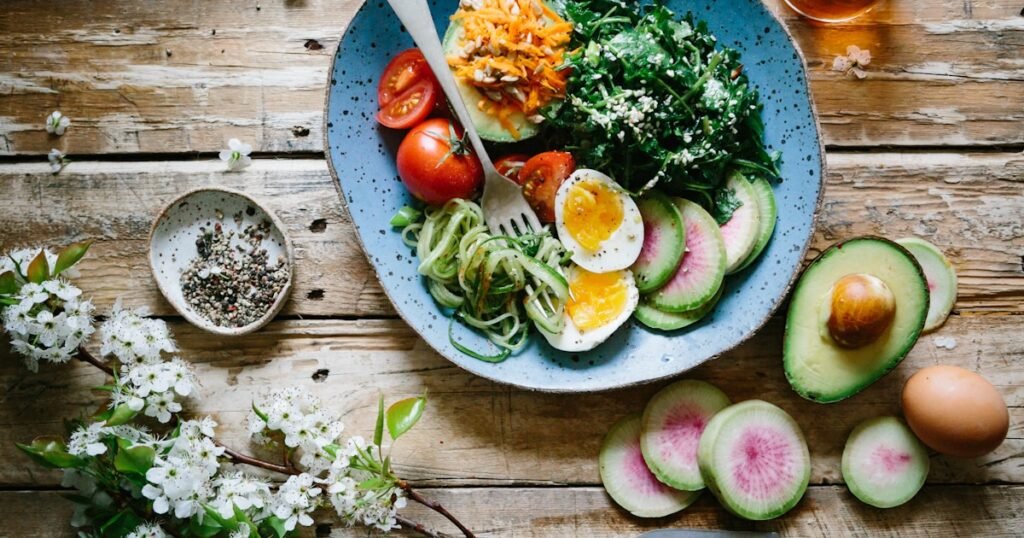
For millions of people living with recurrent migraines, identifying what triggers an attack can feel like solving an impossible puzzle. While stress and disrupted sleep are well-recognized culprits, food triggers remain among the most perplexing. Many individuals notice that meals featuring aged cheese, cured meat, red wine, or even healthy foods like tomatoes and spinach can reliably precede throbbing head pain.
For years, these reactions were broadly labeled as vague sensitivities. However, emerging research has uncovered a concrete biochemical culprit: impaired histamine metabolism driven by low levels of the enzyme diamine oxidase (DAO). When the digestive system lacks sufficient DAO, dietary histamine accumulates, enters systemic circulation, and can provoke cranial neurovascular inflammation.
A landmark September 2026 study published in Scientific Reports (Nature Portfolio) offers striking new evidence for this link. Researchers found that migraine patients—both with and without aura—exhibit marked deficiencies in circulating DAO alongside depleted antioxidant defenses. Here is what the latest science reveals about the DAO-histamine connection, headache biology, and dietary management.
The 2026 Study: Inside the Biomarker Discovery
The peer-reviewed study, led by researchers Norhan Bassim Jassim, Abdulkadir M. N. Jassim, and Younis Baqi and published in Scientific Reports, evaluated an integrated biochemical profile across 120 adult participants. The cohort included three matched groups of 40 individuals each: migraine patients with aura, migraine patients without aura, and healthy controls.
The investigators measured several physiological markers, including serum diamine oxidase (DAO), paraoxonase-1 (PON1), total oxidant status, and total antioxidant capacity. Their findings revealed several notable patterns:
- Marked DAO Depletion: Circulating diamine oxidase concentrations were significantly lower in both migraine groups compared with healthy controls, regardless of aura status.
- Depleted Antioxidant Defenses: Levels of paraoxonase-1 (PON1)—an essential antioxidant enzyme associated with high-density lipoprotein (HDL) that protects vascular lipids—were sharply reduced.
- Elevated Oxidative Stress: Migraine patients demonstrated a significantly higher Oxidative Stress Index (OSI) and elevated Total Oxidant Status (TOS), alongside diminished Total Antioxidant Capacity (TAC).
- High Discriminatory Value: Receiver operating characteristic (ROC) curves demonstrated excellent discriminatory accuracy for both DAO and PON1 in distinguishing migraineurs from healthy controls.
This comprehensive profile suggests that reduced histamine degradation is closely coupled with systemic oxidative stress and compromised vascular protection.
How Histamine and Low DAO Provoke Migraines
Histamine serves vital roles in neurotransmission, gastric acid secretion, and immune defenses. However, excess circulating histamine can provoke profound neurovascular effects.
Under normal conditions, dietary histamine is broken down in the small intestine by diamine oxidase, produced by intestinal mucosal epithelial cells. When DAO is active, ingested histamine is metabolized before it can cross into portal circulation.
However, when DAO levels are deficient—due to genetic variants in the AOC1 gene, gastrointestinal inflammation, or enzyme-inhibiting substances—histamine passes into the bloodstream. Once in circulation, histamine binds to H1 and H2 receptors on cranial blood vessels and perivascular sensory nerve terminals, provoking three key processes:
- Cranial Vasodilation: Histamine stimulates endothelial nitric oxide production, causing vasodilation in meningeal and cerebral blood vessels.
- Neurogenic Inflammation: Histamine activates trigeminal sensory nerve fibers, triggering the release of inflammatory neuropeptides like calcitonin gene-related peptide (CGRP) and substance P.
- Vascular Permeability: Depletion of antioxidant enzymes like PON1 permits lipid peroxidation, amplifying inflammation and lowering the threshold for headache onset.
Common Food Triggers: Histamine-Rich Foods
For individuals with impaired DAO activity, dietary triggers typically involve foods where bacterial fermentation or aging has converted histidine into histamine:
- Aged Cheeses: Parmesan, cheddar, gouda, and blue cheese.
- Cured and Processed Meats: Salami, prosciutto, bacon, and sausages.
- Fermented Foods: Sauerkraut, kimchi, kefir, soy sauce, and kombucha.
- Alcoholic Beverages: Red wine, champagne, and beer, which provide dietary amines while actively inhibiting DAO enzyme activity.
- Canned and Smoked Fish: Tuna, mackerel, anchovies, and sardines.
Certain fresh foods—such as tomatoes, spinach, and citrus fruits—can stimulate mast cells to release endogenous histamine. Additionally, common medications like nonsteroidal anti-inflammatory drugs (NSAIDs) and alcohol can temporarily suppress DAO enzyme function.
Evidence-Based Dietary and Supportive Approaches
Clinical researchers have evaluated several strategies to assist individuals with suspected histamine-mediated headaches:
1. Structured Low-Histamine Elimination Diets
Randomized clinical studies show that implementing a temporary low-histamine diet can reduce migraine frequency and duration in patients with low baseline DAO. Under professional guidance, high-histamine foods are removed for 2 to 4 weeks, followed by methodical reintroduction to pinpoint individual tolerance. Focusing on fresh, whole foods within an anti-inflammatory nutrition plan helps lower overall immune reactivity.
2. Supplemental Diamine Oxidase (DAO)
Double-blind, placebo-controlled trials have evaluated oral DAO enzyme capsules taken 15 minutes before meals. Findings indicate that supplemental DAO aids in breaking down ingested histamine within the intestinal lumen, shortening attack duration in enzyme-deficient patients. Oral DAO acts locally in the gut and does not cross the blood-brain barrier or alter internally generated mast cell histamine.
3. Micronutrient Cofactors and Gut Support
Optimal DAO synthesis requires specific micronutrient cofactors, particularly vitamin B6 (pyridoxal-5-phosphate), vitamin C, copper, and zinc. Supporting the intestinal lining with microbiome-derived short-chain fatty acids like butyrate helps preserve mucosal health where DAO is produced. Furthermore, natural mast-cell stabilizing bioflavonoids such as quercetin can provide complementary cellular support.
4. Integration with Modern Migraine Care
Managing dietary histamine is an adjunctive strategy, not a replacement for standard neurological care. Modern preventive treatments—such as CGRP antagonists described in current migraine prevention guidelines—remain essential for frequent or severe attacks.
Study Limitations and Clinical Considerations
While the September 2026 study in Scientific Reports adds important biochemical clarity, several scientific limitations should be kept in mind:
- Association vs. Causation: Because this was a case-control study, it proves a strong association between low DAO, low PON1, and migraines, but cannot prove direct causality. Migraine-associated stress could potentially downregulate digestive enzymes secondarily.
- Testing Standardization: Commercial blood tests for serum DAO activity are not yet standardized across routine diagnostic laboratories.
- Individual Variability: Histamine intolerance accounts for only a subset of migraine patients. Hormonal shifts, sleep patterns, and musculoskeletal factors also play significant roles.
- Nutritional Balance: Long-term elimination diets carry risks of nutritional deficiency and should always be supervised by a registered dietitian or physician.
The Bottom Line
The discovery that migraine patients share a combined pattern of reduced diamine oxidase (DAO) and depleted antioxidant defenses provides biological validation for individuals whose headaches are triggered by food. If you suspect dietary histamine may be contributing to your headaches, keep a detailed food diary and consult your healthcare provider to explore targeted dietary modifications safely.
Disclosure: This content is for informational purposes only and is not medical advice. Always consult a qualified healthcare provider before making changes to your health regimen.