Quercetin is one of the most abundant dietary antioxidants in the human diet — yet most people have never heard of it. Found in everyday foods like red onions, apples, capers, and berries, this plant-derived flavonoid has attracted growing scientific attention for its wide-ranging biological effects. With spring allergy season in full swing and increasing interest in natural health approaches, quercetin is emerging as one of the most compelling compounds in nutritional science.
What Is Quercetin?
Quercetin belongs to a family of plant pigments called flavonoids, responsible for the vivid reds, yellows, and oranges in many fruits and vegetables. Plants produce quercetin as part of their defense system against UV radiation, pathogens, and oxidative stress — and when humans consume it, research suggests the compound may confer some of those protective effects to our own cells.
Structurally, quercetin belongs to the flavonol subclass and is often found attached to sugars (as glycosides) in food, becoming bioavailable after digestion breaks those bonds. Scientists have studied it extensively across laboratory, animal, and human models — and findings point to three standout mechanisms: antihistamine activity, anti-inflammatory action, and antioxidant protection.
Quercetin as a Natural Antihistamine
Conventional antihistamine medications work by blocking histamine receptors after histamine has already been released. Quercetin operates differently — and arguably more elegantly — by acting upstream to stabilize mast cells, the immune cells that store and release histamine in response to allergens.
When the immune system encounters an allergen — pollen, dust, pet dander — mast cells degranulate, releasing histamine and other inflammatory chemicals like leukotrienes and prostaglandins. These trigger the familiar symptoms of allergic rhinitis: sneezing, runny nose, itchy eyes, and congestion. Research published in a peer-reviewed nutraceutical journal in 2025 evaluated quercetin-based formulations for respiratory and food allergies, finding significant inhibition of histamine release in both in vitro and in vivo models.
Earlier research in Molecules compared quercetin’s mast cell-stabilizing action to cromolyn sodium, a pharmaceutical agent used specifically for allergy prevention — suggesting that quercetin may offer a natural, food-derived parallel to this pharmaceutical mechanism. Researchers note, however, that clinical data in humans remains more limited than laboratory findings, and further large-scale trials are needed.
Anti-Inflammatory Effects: Targeting the Molecular Roots of Chronic Disease
Chronic low-grade inflammation is now recognized as a driver of nearly every major modern disease — from cardiovascular disease and type 2 diabetes to Alzheimer’s and certain cancers. Quercetin targets inflammation at multiple molecular levels:
- NF-κB inhibition: Quercetin suppresses nuclear factor kappa B (NF-κB), a master transcription factor that activates genes producing pro-inflammatory cytokines like TNF-α and interleukin-6 (IL-6).
- COX enzyme modulation: Similar in mechanism to aspirin and ibuprofen, quercetin can inhibit cyclooxygenase (COX-1 and COX-2) enzymes that synthesize prostaglandins, the mediators of pain and swelling.
- Reactive oxygen species scavenging: As a potent antioxidant, quercetin neutralizes free radicals that initiate and amplify inflammatory cascades throughout the body.
A systematic review in Phytotherapy Research examining multiple human clinical trials concluded that quercetin supplementation consistently reduced serum levels of C-reactive protein (CRP) and IL-6 — two widely used biomarkers of systemic inflammation — particularly in individuals with metabolic disorders.
Cardiovascular Benefits: Blood Pressure and Beyond
Heart health research on quercetin has yielded some of the most striking clinical findings. A randomized controlled trial published in the British Journal of Nutrition (2016) found that 500 mg/day of quercetin supplementation significantly reduced systolic blood pressure in overweight adults with hypertension. Researchers attributed this to quercetin’s ability to improve endothelial function — the health of the inner lining of blood vessels — and reduce vascular inflammation.
Quercetin may also help protect low-density lipoprotein (LDL) cholesterol from oxidative damage. Oxidized LDL is a critical trigger in the formation of arterial plaques that lead to atherosclerosis, heart attacks, and strokes. By reducing oxidative stress in arterial walls, quercetin may contribute to long-term cardiovascular protection. Studies suggest it may also have modest beneficial effects on lipid profiles, though research findings on total and LDL cholesterol are mixed.
Exercise Recovery and Physical Performance
Athletes and physically active individuals have shown interest in quercetin for its potential to reduce exercise-induced oxidative stress and muscle inflammation. Intense physical activity generates significant amounts of reactive oxygen species, contributing to delayed-onset muscle soreness (DOMS) and prolonged recovery times.
The NIH’s Office of Dietary Supplements has noted quercetin’s potential relevance to exercise performance and recovery, citing its antioxidant and anti-inflammatory properties. Several small clinical trials suggest supplementation may help reduce biomarkers of exercise-induced muscle damage. However, the evidence for meaningful performance improvements remains modest, and experts recommend that quercetin be viewed as a complement to — not a substitute for — sound training and nutrition fundamentals.
Best Dietary Sources of Quercetin
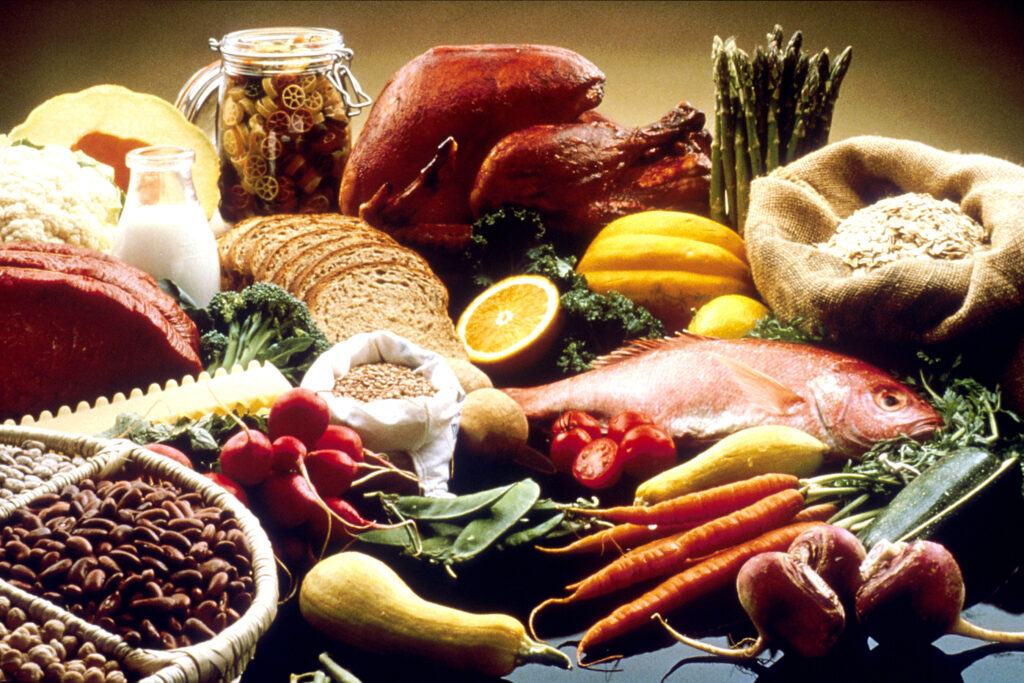
One of quercetin’s most appealing aspects is its wide availability in everyday whole foods. The richest dietary sources include:
- Capers: The single highest food source, providing up to 234 mg per 100g
- Red onions: Approximately 20–50 mg per 100g, concentrated in the outer layers
- Apples: Particularly in the skin; a medium apple provides roughly 4–7 mg
- Berries: Blueberries, cranberries, elderberries, and blackberries are notable sources
- Broccoli and leafy greens: Including kale, spinach, and arugula
- Green and black tea: Significant sources of quercetin glycosides
- Citrus fruits: Orange peel and citrus juices contain quercetin and related polyphenols
- Red wine and dark grapes: Contain quercetin and other cardioprotective flavonoids
Eating the skin of fruits and vegetables is especially important, as quercetin tends to concentrate in the outer layers where UV exposure is greatest.
Supplement Considerations and Bioavailability
A known challenge with quercetin supplementation is its relatively poor water solubility and variable bioavailability when taken in standard forms. Researchers have explored several strategies to improve how much actually reaches the bloodstream:
- Quercetin with bromelain: The enzyme derived from pineapple may enhance quercetin absorption and adds complementary anti-inflammatory effects — a popular pairing in clinical research.
- Liposomal delivery: Encapsulating quercetin in lipid nanoparticles significantly improves bioavailability according to pharmacokinetic studies.
- Piperine (black pepper extract): Well-established for enhancing polyphenol absorption, including quercetin.
- Quercetin with vitamin C: Some evidence suggests vitamin C can regenerate quercetin’s antioxidant capacity and may potentiate its biological activity.
Clinical trials have typically used doses of 500–1,000 mg per day, often divided into two doses. These amounts are substantially higher than typical dietary intake, which averages roughly 10–100 mg/day depending on diet quality.
Safety Profile and Drug Interactions
Quercetin from food sources is considered safe for virtually everyone. Supplemental quercetin is generally well-tolerated in studies lasting up to 12 weeks. However, a few important safety considerations apply:
- Quercetin may interact with cyclosporine (an immunosuppressant) and certain antibiotics — always consult a healthcare provider before supplementing if you take prescription medications.
- Very high doses (above 1,000 mg/day) have been associated with occasional reports of headaches, tingling sensations, or digestive discomfort.
- Data on safety during pregnancy and breastfeeding is limited; caution and medical guidance are recommended.
The Bottom Line
Quercetin stands out among plant-derived compounds for the breadth of its potential health effects — from easing seasonal allergy symptoms by stabilizing mast cells, to reducing systemic inflammation, supporting cardiovascular health, and protecting cells from oxidative damage. The most evidence-backed strategy is also the simplest: a diet rich in colorful vegetables and fruits — red onions, apples, berries, leafy greens, and capers — naturally delivers meaningful amounts of this powerful flavonoid.
For those considering supplementation, bioavailability-enhanced forms combined with guidance from a qualified healthcare provider represent the most informed approach. As with all nutritional compounds, quercetin works best as part of an overall pattern of healthy eating and lifestyle — not as a standalone remedy.
Disclosure: This content is for informational purposes only and is not medical advice. Always consult a qualified healthcare provider before making changes to your health regimen.