
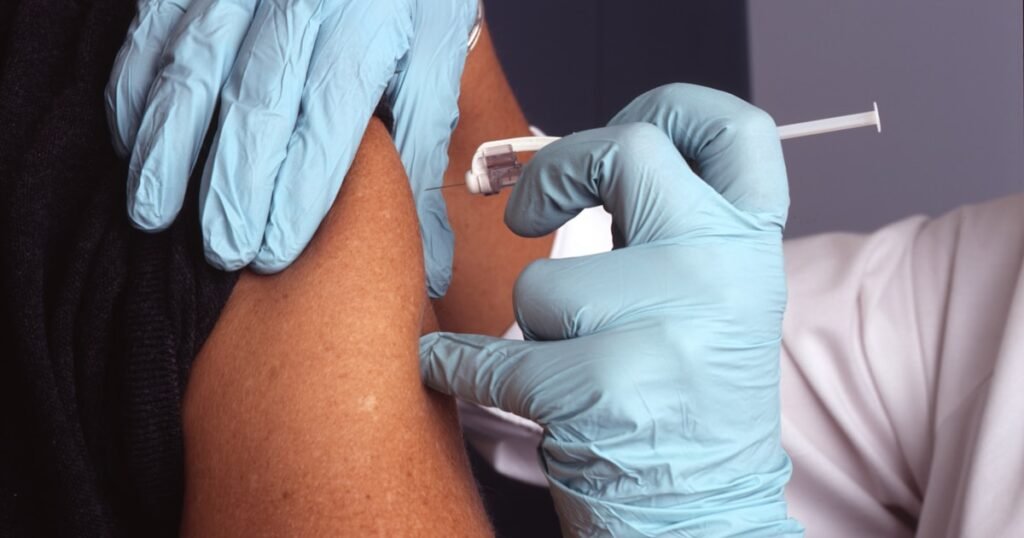
When public health reports track a regional measles surge, many assume the threat is confined to early childhood. Yet according to data from the Centers for Disease Control and Prevention (CDC), measles in adults is frequently far more severe than in older children, carrying high risks of hospitalization, severe pneumonia, and long-term immunological complications. In modern outbreaks, roughly one in five unvaccinated individuals who contract measles require hospital care.
Understanding how the rubeola virus behaves in adults—and whether your past vaccination record provides lasting defense—is vital for personal health and community protection. Beyond acute illness, research has uncovered a biological phenomenon known as “immune amnesia,” showing why prevention is foundational alongside proactive nutrition and immune support.
Why Measles Is Far More Severe in Adults
Measles is among the most transmissible respiratory pathogens known. The virus spreads through airborne droplets and fine aerosols that remain suspended in indoor air for up to two hours after an infectious person leaves. While children aged 5 to 15 often experience an uncomplicated course, epidemiological records show a distinct U-shaped severity curve: infants under five and adults over twenty face significantly higher rates of serious morbidity.
In adults, the viral assault frequently triggers an intense systemic inflammatory response. As the pathogen multiplies in the respiratory tract and lymph nodes, the immune system produces a surge of inflammatory cytokines that can lead to high fevers, severe debility, and rapid dehydration requiring clinical management.
Recognizing Adult Measles Symptoms
Symptoms typically manifest 7 to 14 days following exposure. In adults, the illness typically progresses through three distinct stages:
- The Prodrome: The infection starts with high fever (often topping 104°F / 40°C), fatigue, and the classic triad: persistent cough, coryza (runny nose), and conjunctivitis (red, watery eyes).
- Koplik Spots: About two to three days into the illness, small white or bluish-white spots appear on the inner lining of the cheeks. These spots are a unique clinical marker that heralds the arrival of the body rash.
- The Rash (Exanthem): Three to five days after initial symptoms, a flat, red maculopapular rash begins along the hairline and behind the ears, then spreads downward over the face, torso, arms, and legs. Fever often peaks as the rash erupts, which lasts five to seven days before fading.
Major Complications: Pneumonia and Neurological Risks
The primary hazard of adult measles lies in secondary complications. Because the virus impairs respiratory defenses and suppresses immunity, opportunistic infections can take hold rapidly.
- Pneumonia: Lung infection is the most frequent cause of measles-related death. Up to 1 in 20 patients develop pneumonia, either from the virus itself or as a secondary bacterial infection like Streptococcus pneumoniae.
- Acute Encephalitis: In roughly 1 out of 1,000 cases, the virus triggers acute brain inflammation. Encephalitis can cause convulsions, hearing loss, or permanent cognitive impairments.
- Subacute Sclerosing Panencephalitis (SSPE): A rare, fatal degenerative neurological illness that develops 7 to 10 years after an apparent recovery due to persistent viral presence in the brain.
- Pregnancy Risks: Contracting measles during pregnancy increases the likelihood of severe maternal illness, premature delivery, and low birth weight.
Immune Amnesia: How Measles Erases Prior Immunity
A landmark study published in Science by researchers at Harvard and the Wellcome Sanger Institute revealed that measles causes an acquired immune deficiency called “immune amnesia.” By infecting CD150-bearing memory B and T cells, the virus eliminates 11% to 73% of a person’s existing antibody repertoire.
As a result, adults and children who recover from measles face heightened vulnerability to other bacterial and viral pathogens—such as flu and strep—for months to several years until memory cells regenerate. This finding reinforces the broader value of adult immunization and long-term health, showing that vaccination preserves overall immunological resilience.
Who Is Presumed Immune? Birth Years and Vaccine History
The CDC’s Advisory Committee on Immunization Practices (ACIP) defines presumptive immunity against measles by clear criteria. Adults are generally considered protected if they have:
- Birth Before 1957: Those born before 1957 grew up when wild measles was widespread, resulting in natural infection and durable lifetime immunity for nearly everyone.
- Documented MMR Doses: Written records of receiving one or more doses of live measles vaccine on or after their first birthday.
- Laboratory Confirmation: A positive blood titer showing measles-specific IgG antibodies or documented lab confirmation of prior illness.
Who Needs an MMR Booster or Revaccination?
Whether an adult requires an MMR vaccine depends on specific history and risk factors:
- The 1963–1967 Cohort: Between 1963 and 1967, an early killed (inactivated) measles vaccine was used in some individuals. This version provided short-lived protection. The CDC recommends that adults vaccinated during these years with a killed vaccine—or an unknown formulation—receive at least one dose of the live MMR vaccine.
- High-Risk Adults (Two Doses Required): While one dose provides 93% protection, two doses offer 97% efficacy. Two doses are recommended for healthcare workers, college students, and international travelers.
- Routine Low-Risk Adults: For healthy adults with one documented live dose received after 1968, routine boosters are not indicated. However, if records are unavailable, getting an MMR dose is safe even if previously vaccinated.
What to Do Following Exposure
If you are exposed to measles and lack documented immunity, prompt medical intervention can help prevent illness through post-exposure prophylaxis, mirroring time-critical protocols used in post-exposure protocols:
- MMR Vaccine: Administered within 72 hours of initial exposure, the vaccine can offer protection or reduce disease severity.
- Immunoglobulin (IG): High-risk individuals who cannot receive live vaccines (such as pregnant women or immunocompromised adults) can receive passive antibody injections within 6 days.
If you suspect you have been exposed, call your clinic ahead of time so staff can arrange airborne precautions before you arrive.
Disclosure: This content is for informational purposes only and is not medical advice. Always consult a qualified healthcare provider before making changes to your health regimen.