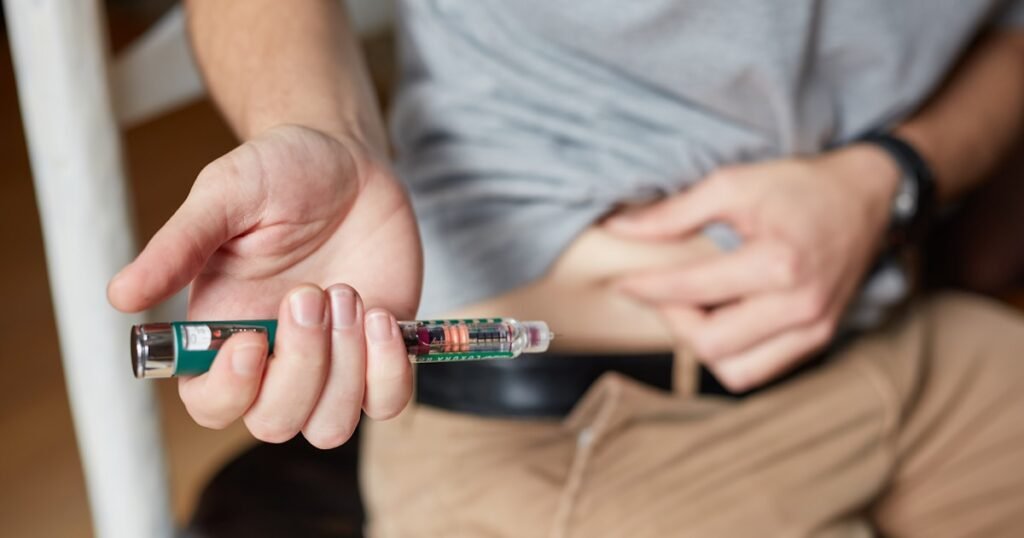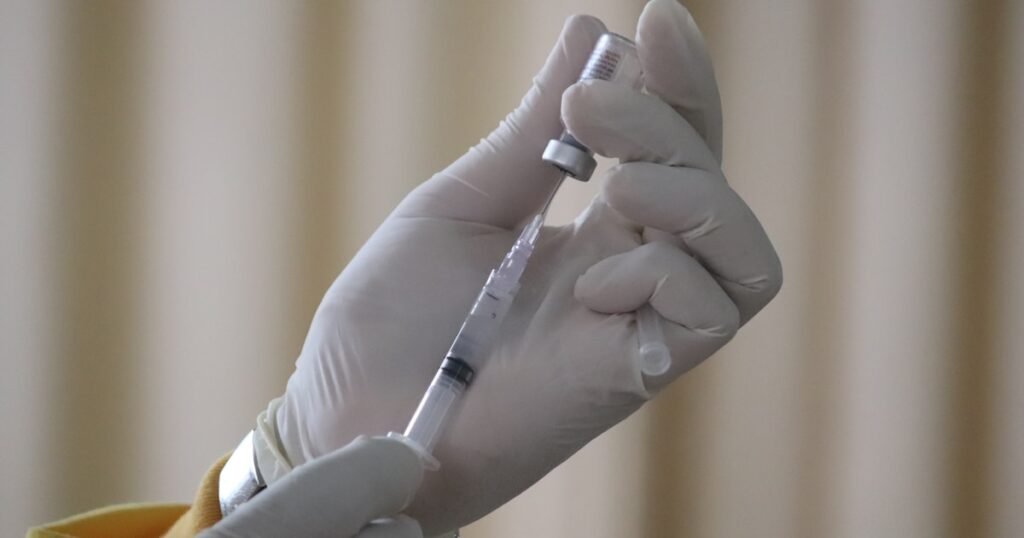
Daily Aspirin: Who Should Still Take It in 2026
Should you take a daily aspirin? Updated USPSTF guidelines and three major trials reshaped who benefits—and who faces more harm than good.
Daily Aspirin: Who Should Still Take It in 2026 Read More »
Should you take a daily aspirin? Updated USPSTF guidelines and three major trials reshaped who benefits—and who faces more harm than good.
Daily Aspirin: Who Should Still Take It in 2026 Read More »
Sleep apnea raises heart, brain, and metabolic risk. New research on tirzepatide, oral devices, and nerve stimulation expands options beyond CPAP.
Sleep Apnea: New Treatments Beyond CPAP Read More »
Karolinska study in Radiology finds AI can flag 1 in 5 breast cancers up to 6 years before diagnosis. What it means for early detection.
AI Mammography Spots Breast Cancer 6 Years Before Diagnosis Read More »
Pain Reprocessing Therapy helped 66% of chronic back pain patients become pain-free or near pain-free in a landmark JAMA Psychiatry trial.
Pain Reprocessing Therapy: Retraining the Brain for Relief Read More »
New research links inflammation to depression and explores immune-targeted treatments that may help when standard antidepressants fall short.
Inflammation and Depression: New Immune-Targeted Research Read More »
Research suggests adults — especially after 50 — may need more protein than the RDA. Here’s what science says about intake, timing, and sources.
How Much Protein Do You Really Need for Muscle? Read More »
Research links low B12 and folate to higher homocysteine and worse fatigue. Here is what the latest science suggests.
B12 and Folate: Can These Vitamins Ease Chronic Fatigue? Read More »
Microplastics now appear in human brains, blood, and arteries. Here’s what new research reveals about health risks and exposure.
Microplastics in the Human Body: What Science Shows Read More »
Research suggests exercise can ease depression as effectively as some therapies. Here’s what science reveals about dose, type, and why it works.
Exercise for Depression: How Movement Eases Symptoms Read More »
New research finds switching to a healthy diet may reverse some cognitive damage from high-fat eating, but high-sugar harm appears more persistent.
Can Diet Reverse Brain Damage? Sugar Is the Catch Read More »