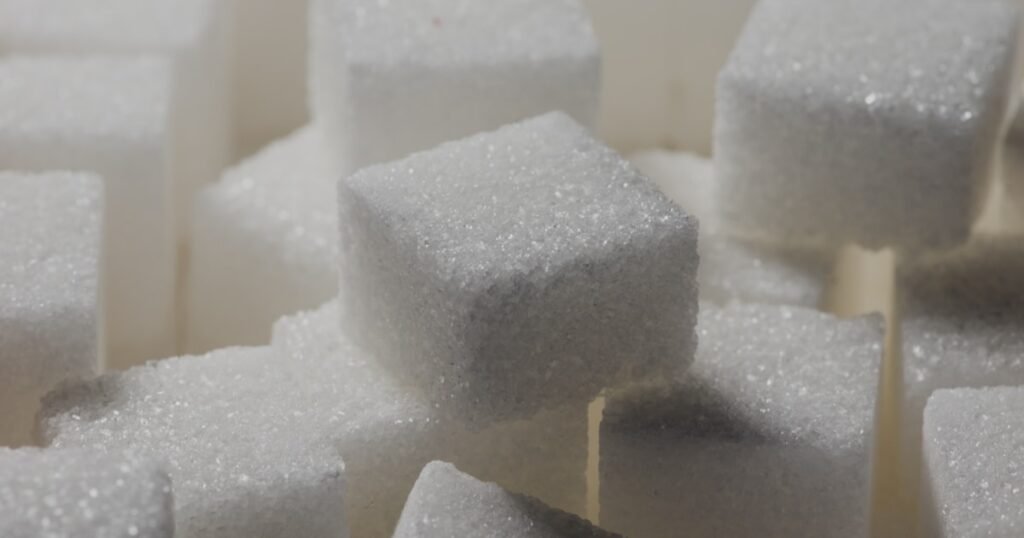
Xylitol is one of the most widely used sugar substitutes in the world. You will find it in sugar-free chewing gum, mints, toothpaste, mouthwash, cough syrups, and a growing number of keto and diabetes-friendly baked goods and drinks. It tastes almost identical to table sugar, has about 40 percent fewer calories, does not spike blood sugar, and even helps prevent cavities. On paper, it looks like a near-perfect sweetener.
That reputation is now being challenged. A large study led by researchers at Cleveland Clinic, published in the European Heart Journal in June 2024, found that higher blood levels of xylitol were associated with a meaningfully greater risk of heart attack, stroke, and cardiovascular death. Follow-up experiments suggested a plausible mechanism: xylitol appears to activate blood platelets in ways that could promote clot formation.
What the Xylitol Study Found
The research team, led by Dr. Stanley Hazen, analyzed blood samples from more than 3,000 adults across two independent cohorts — a discovery cohort of 1,157 people and a validation cohort of 2,149 people — who were tracked for three years for major adverse cardiovascular events, defined as heart attack, stroke, or death from cardiovascular causes.
People whose circulating xylitol levels sat in the top third had roughly a 57 percent higher adjusted risk of a major cardiovascular event over three years compared with those in the bottom third (hazard ratio 1.57, 95% confidence interval 1.12–2.21). The association held after adjusting for standard heart disease risk factors such as diabetes, high blood pressure, and cholesterol.
A Plausible Mechanism
To probe whether xylitol was doing something to blood, the researchers ran a small intervention study. Ten healthy volunteers drank a beverage containing 30 grams of xylitol, an amount that is high but achievable from a sweetened drink, dessert, or serving of keto baked goods. Plasma xylitol concentrations increased roughly 1,000-fold and stayed elevated for hours. During that window, blood samples from all ten participants showed heightened platelet activation and faster clotting in laboratory assays.
Animal experiments echoed those findings, with xylitol shortening the time to clot formation after arterial injury. Because platelet clumping is central to how most heart attacks and strokes occur, the authors argued xylitol has a biologically plausible route to cardiovascular harm, not just a statistical association.
Where Xylitol Is Hiding in the Food Supply
Xylitol is classified as generally recognized as safe by the U.S. Food and Drug Administration and has been used commercially for decades. Common sources include:
- Sugar-free chewing gum, mints, and candies, often marketed for dental health
- Toothpaste, mouthwash, and nasal sprays
- Cough drops, chewable vitamins, and some prescription and over-the-counter medications
- Keto, low-carb, and diabetes-friendly baked goods, protein bars, ice creams, and drink mixes
- Some peanut butters, jams, and syrups marketed as no-sugar-added
The dose matters a great deal. A stick of gum typically contains around 1 gram of xylitol, and toothpaste amounts are tiny and largely spat out. A single serving of a keto baked good, a scoop of a xylitol-sweetened protein powder, or a “no sugar added” chocolate bar can deliver 10 to 30 grams — the range shown to acutely alter platelet activity in the study.
Context: The Erythritol Precedent
The same Cleveland Clinic group reported strikingly similar findings for erythritol, another sugar alcohol, in a 2023 Nature Medicine paper. That analysis, involving more than 4,000 participants, also linked higher circulating levels to greater cardiovascular event risk and showed a comparable effect on platelet function after ingestion. Taken together, the two studies suggest the concern may extend beyond xylitol alone to at least some other sugar alcohols that reach unusually high blood concentrations after ingestion.
Traditional artificial sweeteners such as aspartame, sucralose, and saccharin were not the subject of these papers and have their own evolving evidence base. The World Health Organization in 2023 issued guidance advising against using non-sugar sweeteners for weight control, citing potential long-term risks including cardiovascular disease and type 2 diabetes, though it stopped short of banning any specific compound.
What the Evidence Does and Does Not Prove
Several caveats matter. The cardiovascular event data in humans are observational, which means they can show association but cannot definitively prove that xylitol causes heart attacks or strokes. Randomized long-term outcome trials in humans have not been done, and the participants in the observational cohorts were largely people already being evaluated for heart disease, which may not generalize to healthy adults.
At the same time, the human intervention data showing platelet activation after a realistic dose, combined with converging animal findings, make it harder to dismiss the association as noise. Independent cardiologists writing in the same journal called for further study but also urged patients at high cardiovascular risk to be aware of how much xylitol they may be consuming from concentrated sources such as keto baked goods and sweetened beverages.
Xylitol Still Has Real Dental Benefits
It is worth separating the mouth from the bloodstream. Multiple reviews, including work summarized by the American Dental Association, support xylitol’s ability to reduce cavity-causing bacteria and lower dental caries when used in gum, lozenges, or toothpaste. Those quantities are small and, in the case of toothpaste, largely not swallowed. The current cardiovascular concerns focus on higher, ingested doses that meaningfully raise blood levels.
Practical Takeaways from Current Research
- Read labels on “sugar-free” and keto products. Xylitol may appear as an ingredient on its own or blended with erythritol, monk fruit, or stevia.
- Small amounts in gum and toothpaste appear low risk based on available data and their well-established dental benefits.
- Concentrated servings matter most. If a single serving delivers 10 grams or more of xylitol, evidence suggests platelet activity can rise substantially.
- People with existing heart disease, prior stroke, diabetes, or clotting disorders may want to discuss sweetener choices with a healthcare provider.
- Whole-food alternatives such as small amounts of fruit, unsweetened dairy, or naturally sweet spices like cinnamon avoid the question entirely.
Xylitol is not being pulled from the market, and public health agencies have not issued new consumer warnings as of this writing. But the growing body of evidence adds nuance to the idea that any calorie-free sweetener is automatically a heart-healthy swap. As with most nutrition questions, dose, context, and individual risk profile matter.
Disclosure: This content is for informational purposes only and is not medical advice. Always consult a qualified healthcare provider before making changes to your health regimen.