
Chronic, low-grade inflammation is now recognized as a common thread linking heart disease, type 2 diabetes, certain cancers, and neurodegenerative conditions like Alzheimer’s, according to the National Institutes of Health. While short-term inflammation helps the body fight infection and heal wounds, long-term inflammation quietly damages tissues and blood vessels over years.
What people eat every day appears to shape that inflammatory background. Studies published in journals such as The BMJ and Circulation suggest that diets rich in whole plants, fatty fish, and unsaturated fats are consistently associated with lower inflammatory markers, while diets high in ultra-processed foods and added sugars tend to raise them.
What Chronic Inflammation Actually Is
Acute inflammation — the redness and swelling around a cut or infection — is a normal part of healing. Chronic inflammation is different. Harvard Medical School describes it as a persistent, low-level activation of the immune system that can silently damage arteries, joints, and organs.
Researchers often measure it through blood markers such as high-sensitivity C-reactive protein (hs-CRP), interleukin-6 (IL-6), and tumor necrosis factor alpha (TNF-α). Elevated levels of these markers have been associated in large cohort studies with higher risk of cardiovascular events, insulin resistance, and cognitive decline.
Foods With the Strongest Anti-Inflammatory Evidence
1. Fatty Fish
Salmon, sardines, mackerel, and herring are among the richest food sources of long-chain omega-3 fatty acids EPA and DHA. A meta-analysis in Brain, Behavior, and Immunity found that omega-3 supplementation was associated with reductions in circulating IL-6 and TNF-α. The American Heart Association recommends at least two servings of fatty fish per week for cardiovascular benefits.
2. Berries
Blueberries, strawberries, raspberries, and blackberries are dense sources of anthocyanins — pigments with antioxidant activity. A study in the American Journal of Clinical Nutrition reported that higher anthocyanin intake was linked to lower markers of inflammation and endothelial dysfunction in middle-aged adults.
3. Extra-Virgin Olive Oil
A central fat in the Mediterranean diet, extra-virgin olive oil contains oleocanthal, a compound that has demonstrated anti-inflammatory activity in laboratory studies similar in mechanism (though weaker in effect) to ibuprofen. The landmark PREDIMED trial found that a Mediterranean diet supplemented with extra-virgin olive oil was associated with roughly 30% lower risk of major cardiovascular events versus a low-fat control diet.
4. Leafy Greens
Spinach, kale, arugula, and Swiss chard supply vitamin K, folate, and polyphenols. Population studies, including analyses from the Nurses’ Health Study, have linked higher intake of green leafy vegetables with lower inflammatory markers and slower cognitive decline in older adults.
5. Nuts
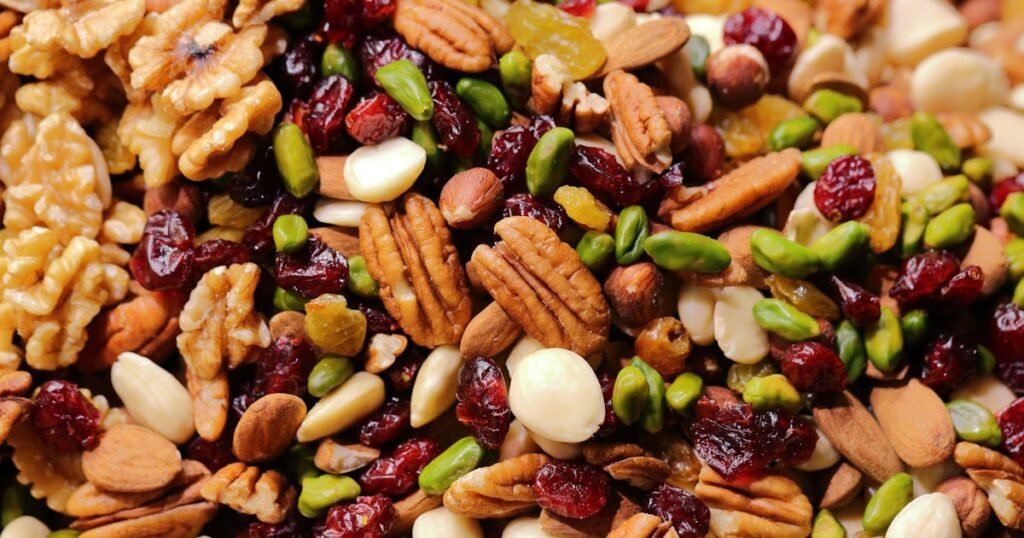
Walnuts, almonds, and pistachios contribute unsaturated fats, fiber, and plant polyphenols. A 2020 review in Nutrients concluded that regular nut consumption was associated with reduced concentrations of hs-CRP and IL-6 in most trials examined. A daily handful (about one ounce) is a common study dose.
6. Turmeric
Turmeric contains curcumin, one of the most studied anti-inflammatory compounds in food. A 2022 meta-analysis in Frontiers in Immunology reported that curcumin supplementation significantly reduced CRP levels across multiple trials. Curcumin’s bioavailability from turmeric powder alone is low, which is why studies often use standardized extracts or pair it with black pepper (piperine).
7. Green Tea
Green tea is rich in epigallocatechin gallate (EGCG), a polyphenol with antioxidant and anti-inflammatory properties. Observational studies from Japan have associated regular green tea consumption with lower all-cause and cardiovascular mortality, though causal effects remain difficult to isolate from other lifestyle factors.
8. Tomatoes
Tomatoes provide lycopene, a carotenoid concentrated further by cooking with a small amount of fat. Research summarized by the Harvard T.H. Chan School of Public Health links tomato and lycopene intake to lower markers of oxidative stress and modest reductions in cardiovascular risk indicators.
9. Whole Grains
Oats, barley, brown rice, and whole-wheat products supply fiber that feeds gut bacteria producing short-chain fatty acids like butyrate, which appear to help regulate immune responses. A BMJ meta-analysis found that higher whole-grain intake was associated with lower risk of coronary heart disease, cancer, and total mortality.
The Mediterranean Diet as a Template
Rather than isolating single foods, most nutrition researchers now emphasize overall dietary patterns. The Mediterranean diet — heavy in vegetables, fruits, whole grains, legumes, nuts, olive oil, and fish, with limited red meat and processed foods — has the strongest evidence base for reducing inflammatory markers and cardiovascular events.
The DASH (Dietary Approaches to Stop Hypertension) diet and largely plant-based patterns share many of the same anti-inflammatory features and show similar directional benefits in trials.
What to Limit
Alongside adding beneficial foods, researchers point to a smaller list of foods and ingredients that appear to raise inflammation when consumed frequently:
- Sugar-sweetened beverages, which have been associated with elevated CRP and higher risk of metabolic disease.
- Ultra-processed foods high in refined starches, added sugars, and industrial fats. A large French cohort study tied higher ultra-processed intake to worse cardiovascular outcomes.
- Excess alcohol, which can raise CRP and contribute to liver inflammation.
- Processed and charred meats, associated in some analyses with higher inflammatory markers.
Practical Starting Points
Sudden overhauls tend to be short-lived. Instead, small, repeatable shifts have the best track record in behavioral nutrition research:
- Cook with extra-virgin olive oil as the default fat.
- Aim for a serving of fatty fish twice a week, or discuss omega-3 options with a clinician.
- Include a cup of berries and a handful of nuts most days.
- Fill half the plate with vegetables at lunch and dinner.
- Swap sugar-sweetened drinks for water, unsweetened tea, or sparkling water.
The Bottom Line
No single food shuts down chronic inflammation. What the evidence supports is a consistent pattern: more whole plants, fatty fish, extra-virgin olive oil, and nuts; fewer sugar-sweetened beverages and ultra-processed foods. That pattern shows up across randomized trials and long-term cohort studies as one of the more reliable levers people can pull for cardiovascular and metabolic health.
Individual needs vary. People with chronic conditions, on medications, or with a history of food allergies should personalize any dietary change with a qualified healthcare provider or registered dietitian.
Disclosure: This content is for informational purposes only and is not medical advice. Always consult a qualified healthcare provider before making changes to your health regimen.