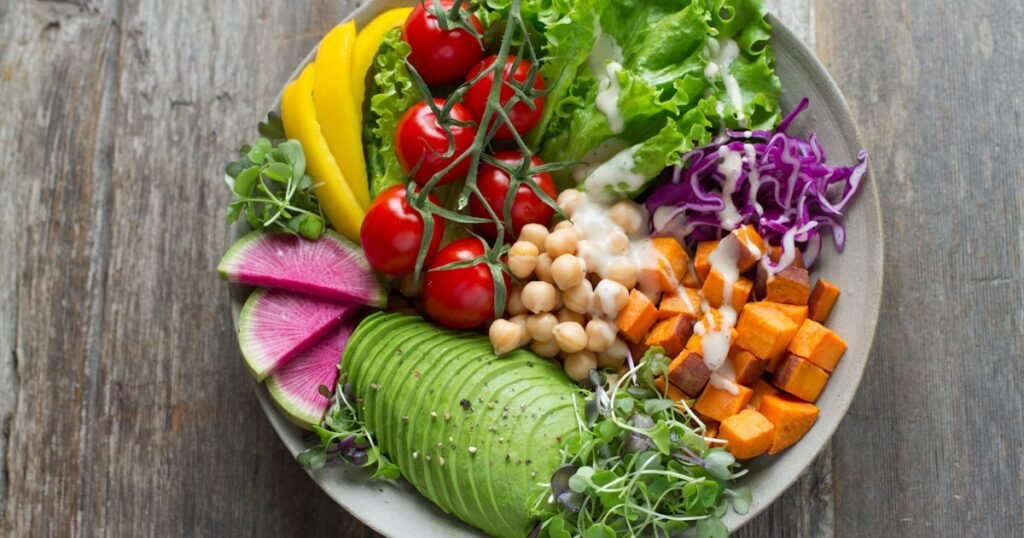
What happens inside the body when someone switches to a fully plant-based diet for just a few weeks? For years the question was almost impossible to answer cleanly because diet studies are notoriously difficult to control. Then researchers at Stanford Medicine did something unusual: they recruited identical twins, put one twin on a healthy omnivorous diet and the other on a plant-based diet, and measured what happened. The results, published in JAMA Network Open in 2023, added to a growing body of evidence that even a short stint of plant-based eating can shift markers of cardiovascular risk, inflammation, and biological aging.
Here is what the research actually shows, what remains uncertain, and how experts frame the findings.
Why Researchers Focus on Short-Term Trials
Long-term diet adherence is hard to measure. People forget what they ate, self-report inaccurately, and drift back to old habits. Short, tightly controlled trials — typically 4 to 12 weeks — let researchers observe biological changes with high confidence. And the biology changes fast. Blood lipids, inflammatory markers, gut microbiome composition, and even DNA methylation patterns can shift within weeks of a substantial dietary change, according to research summarized by the National Institutes of Health.
These trials are not designed to prove that a plant-based diet extends life on their own. Instead, they show whether the biological pathways that influence disease risk — cholesterol handling, inflammation, insulin sensitivity, epigenetic aging — respond to the intervention.
The Stanford Twin Study
The 2023 Stanford Twin Nutrition Study, led by researcher Christopher Gardner, enrolled 22 pairs of healthy adult identical twins. For eight weeks, one twin in each pair ate a healthy vegan diet while the other followed a healthy omnivorous diet that included meat, eggs, and dairy. Because the twins shared genetics, upbringing, and often similar lifestyles, differences that emerged could be more confidently attributed to the food itself.
By the end of the trial, twins on the vegan diet showed:
- An average drop in LDL cholesterol of about 14 percent compared with their omnivore counterparts
- Lower fasting insulin, a marker of improved insulin sensitivity
- Modest weight loss of roughly 4 to 5 pounds without calorie counting
A follow-up analysis published in BMC Medicine in 2024 examined DNA methylation — a form of epigenetic marking that changes with age and environment. Twins on the vegan diet showed slower estimated epigenetic aging on several validated clocks, particularly in the heart, hormone, liver, and inflammation domains, though the differences were modest and the study was small.
Inflammation Markers
Chronic low-grade inflammation is implicated in cardiovascular disease, type 2 diabetes, some cancers, and neurodegenerative conditions. Multiple short trials suggest plant-based diets can lower inflammatory markers within weeks.
A 2019 systematic review in Complementary Therapies in Medicine pooled results from 29 studies and reported that plant-based diets consistently reduced C-reactive protein (CRP), a widely used inflammation marker. A separate 2020 trial in overweight adults found meaningful CRP reductions within four weeks of adopting a whole-food, plant-based pattern.
Researchers attribute these effects to several features of the diet: high fiber intake, an abundance of polyphenols from fruits, vegetables, herbs, and legumes, and the removal of processed and red meats that some studies link to higher inflammation.
Cholesterol and Cardiovascular Markers
The effect on cholesterol is one of the most consistent findings in nutrition research. A 2023 meta-analysis in the Journal of the American Heart Association pooled 30 randomized trials involving nearly 2,400 participants and concluded that vegetarian and vegan diets lowered total cholesterol by roughly 7 percent, LDL cholesterol by 10 percent, and apolipoprotein B — an emerging cardiovascular risk marker — by 14 percent compared with omnivorous diets.
The American Heart Association’s 2021 dietary guidance emphasizes plant-forward patterns, though it does not require complete elimination of animal foods to achieve most of the cardiovascular benefits.
Gut Microbiome Shifts
The gut microbiome responds to dietary fiber almost immediately. Studies show that switching to a plant-rich pattern can increase populations of fiber-fermenting bacteria that produce short-chain fatty acids like butyrate, which supports the gut lining and appears to have systemic anti-inflammatory effects. A 2021 study in Nature Medicine using data from more than 1,000 participants found that specific plant-based diet patterns were associated with a distinct, favorable microbiome signature linked to lower risk of chronic disease.
What the Studies Don’t Show
Short-term trials cannot prove that plant-based eating extends life expectancy on their own. That evidence comes from separate long-term cohort studies, which generally support plant-forward patterns but have their own limitations.
Plant-based diets also require attention to specific nutrients that are less abundant or absent in plants:
- Vitamin B12. Not naturally present in plant foods; the National Institutes of Health recommends vegans obtain B12 from fortified foods or a supplement.
- Iron and zinc. Present in legumes, whole grains, and seeds, though less bioavailable than in animal foods; pairing with vitamin C-rich foods aids absorption.
- Omega-3 fatty acids. Plant sources like flax, chia, and walnuts provide ALA, but conversion to the long-chain EPA and DHA is limited; algae-based supplements are an option.
- Calcium, iodine, and vitamin D. Require planning through fortified foods or supplementation.
Not all plant-based diets are equal. Research from Harvard’s T.H. Chan School of Public Health distinguishes between “healthful” plant-based patterns rich in whole grains, vegetables, fruits, legumes, and nuts, and “unhealthful” patterns built on refined grains, sweetened beverages, and processed vegan alternatives. Only the former was consistently linked to lower coronary heart disease risk in large cohort studies.
What Experts Suggest
Complete elimination of animal foods is not required to capture most of the observed benefits. Researchers behind many of these trials, including Gardner at Stanford, have emphasized that even shifting toward a mostly plant-based pattern — sometimes called flexitarian or plant-forward eating — appears to move the same biomarkers in a favorable direction.
Practical starting points that align with the evidence include:
- Making vegetables, legumes, or whole grains the base of most meals
- Trying one or two fully plant-based days per week
- Swapping processed and red meats for beans, lentils, tofu, or fish
- Choosing whole fruits over juices and refined snacks
- Planning for B12 and, when appropriate, iron and omega-3 sources
The consistent finding across dozens of trials is that the body responds to the change in weeks, not years. Whether that early biological signal translates into meaningfully longer, healthier lives depends on adherence, overall diet quality, and the many other factors that shape long-term health.
Disclosure: This content is for informational purposes only and is not medical advice. Always consult a qualified healthcare provider before making changes to your health regimen.