
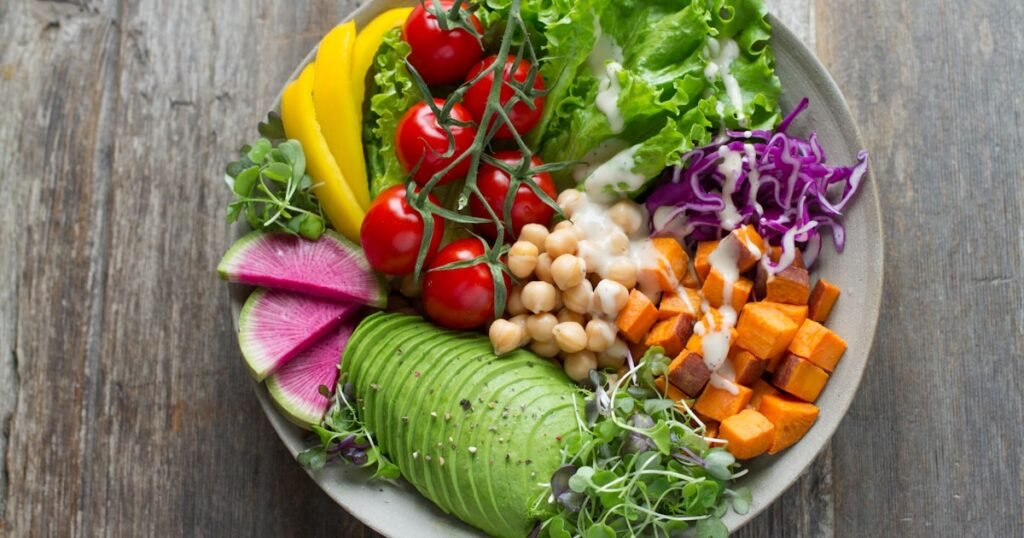
A dietary pattern designed for both human and planetary well-being is drawing renewed attention after new analyses linked it to lower cardiovascular risk. Developed by the EAT-Lancet Commission in 2019 and updated in 2025, the Planetary Health Diet aims to nourish a growing global population without exceeding the planet’s ecological limits — and a growing body of research suggests it may also protect the heart.
What Is the Planetary Health Diet?
The Planetary Health Diet is a flexitarian, largely plant-forward eating pattern created by an international commission of scientists convened by the medical journal The Lancet and the nonprofit EAT Foundation. It is not a strict vegan or vegetarian plan; instead, it defines a reference framework for what a health- and sustainability-aligned diet could look like at scale.
According to the EAT-Lancet Commission report, a daily intake of roughly 2,500 calories on this pattern emphasizes:
- Vegetables (about 300 g) and fruits (about 200 g)
- Whole grains (about 230 g of dry weight)
- Legumes such as beans and lentils (about 75 g dry)
- Nuts and seeds (about 50 g)
- Plant oils, primarily unsaturated (about 40 g)
- Modest amounts of dairy (about 250 g)
- Small quantities of poultry, fish, and eggs
- Very limited red and processed meats and added sugars
The framework is flexible: it accommodates culturally diverse cuisines — from Mediterranean to South Asian to Latin American — provided the overall balance of food groups fits within the reference ranges.
What the Research Says About Heart Health
Cardiovascular disease remains the leading cause of death globally, according to the World Health Organization, accounting for an estimated 17.9 million deaths each year. Because diet is one of the most modifiable drivers of cardiovascular risk, researchers have begun evaluating whether closer adherence to the Planetary Health Diet translates into measurable heart benefits.
Lower Risk of Cardiovascular Events
A large analysis of U.S. adults enrolled in the Nurses’ Health Studies and the Health Professionals Follow-up Study, published in the American Heart Association journal Circulation, reported that participants whose diets most closely resembled the EAT-Lancet reference pattern had a modest but statistically significant reduction in cardiovascular disease compared with those least aligned with the pattern, after adjusting for lifestyle and clinical risk factors.
A separate cohort study from Sweden, conducted by researchers at Chalmers University of Technology, found that closer adherence to the Planetary Health Diet was associated with lower all-cause mortality, including deaths related to heart disease, over a follow-up period of more than two decades.
Better Blood Pressure and Cholesterol Profiles
Because the Planetary Health Diet is rich in fiber, potassium, unsaturated fats, and polyphenols — and low in sodium, saturated fat, and refined carbohydrates — its nutrient profile overlaps meaningfully with dietary patterns already known to support cardiovascular health, including the DASH eating plan and the traditional Mediterranean diet.
Reviews summarized by the American Heart Association note that dietary patterns emphasizing vegetables, fruits, whole grains, legumes, nuts, and plant oils are consistently linked with improvements in LDL cholesterol, blood pressure, and markers of inflammation — three key drivers of atherosclerosis.
Reduced Type 2 Diabetes Risk
Type 2 diabetes is a major amplifier of cardiovascular risk. An analysis of participants in the Rotterdam Study, indexed on PubMed, reported that higher adherence to the Planetary Health Diet was associated with a lower incidence of type 2 diabetes among older adults, an effect that persisted after adjusting for body weight and other lifestyle factors.
Why the Pattern May Protect the Heart
Several mechanisms likely explain the cardiovascular signal seen in observational research:
- Higher fiber intake. Whole grains, legumes, fruits, and vegetables provide soluble and insoluble fiber that helps lower LDL cholesterol and improve glycemic control.
- Better fat quality. Nuts, seeds, and plant oils replace saturated fats from red and processed meats with unsaturated fats linked to better lipid profiles.
- More polyphenols and antioxidants. Colorful plants supply bioactive compounds studied for their effects on vascular function and inflammation.
- Lower sodium load. Cooking from whole ingredients typically reduces sodium compared with ultra-processed diets, supporting healthier blood pressure.
- Support for a healthier gut microbiome. Emerging research suggests fiber-rich, plant-forward diets promote microbial diversity, which may indirectly influence cardiometabolic risk.
Practical Steps to Move Toward the Pattern
You do not need to overhaul your kitchen overnight. Nutrition researchers generally suggest gradual, sustainable shifts:
- Fill half your plate with vegetables and fruit at most meals, aiming for variety of color.
- Choose whole grains such as oats, brown rice, quinoa, barley, or whole-wheat bread in place of refined grains.
- Add legumes several times a week — beans, lentils, chickpeas, or peas in soups, stews, salads, or grain bowls.
- Use nuts, seeds, and plant oils like olive, canola, or flaxseed as the main sources of added fat.
- Rebalance protein sources, keeping red meat as a small portion at most a few times per month and choosing fish, poultry, eggs, or dairy in moderate amounts.
- Cut back on ultra-processed foods, sugar-sweetened drinks, and packaged snacks that displace nutrient-dense options.
Considerations and Limitations
The Planetary Health Diet is a reference framework, not a prescription. Individual needs vary based on age, activity level, medical conditions, cultural food traditions, and access to foods. People managing chronic kidney disease, certain gastrointestinal conditions, or specific nutrient deficiencies may require adaptations. Vegans and strict vegetarians should pay attention to vitamin B12, iron, iodine, omega-3 fatty acids, and, in some cases, calcium and vitamin D.
Observational studies also cannot prove causation, and adherence scores rely on food-frequency questionnaires that carry measurement error. Larger randomized trials are still needed to quantify the long-term cardiovascular impact of the pattern.
The Bottom Line
Research to date suggests the Planetary Health Diet aligns well with established heart-healthy eating patterns and may modestly reduce the risk of cardiovascular events, type 2 diabetes, and premature mortality. Its emphasis on plants, whole grains, and healthy fats — with modest amounts of animal foods — offers a flexible template that can be tailored to individual preferences and cultural traditions while supporting environmental goals.
If you are considering significant dietary changes, particularly if you have existing cardiovascular disease, diabetes, or other chronic conditions, consult a qualified healthcare provider or registered dietitian to personalize the approach.
Disclosure: This content is for informational purposes only and is not medical advice. Always consult a qualified healthcare provider before making changes to your health regimen.