
Cardiovascular disease remains the world’s leading cause of death, responsible for an estimated 17.9 million lives lost each year, according to the World Health Organization. Yet researchers consistently find that lifestyle and dietary choices — not genetics alone — account for the majority of preventable cases. The latest evidence-based dietary guidelines offer a clear roadmap for meaningfully reducing that risk.
A growing body of research, including studies published in The Lancet, Circulation, and the New England Journal of Medicine, reinforces that what we eat directly shapes the health of our arteries, heart muscle, and circulatory system. Here are nine dietary and lifestyle strategies backed by credible science that researchers say can make a significant difference.
1. Prioritize Whole, Minimally Processed Foods
The single most consistent finding across nutritional epidemiology is that diets centered on whole, minimally processed foods are associated with lower rates of heart disease. A landmark 2019 analysis in The Lancet examining data from 195 countries found that poor diet quality was responsible for roughly 11 million deaths annually, many of them cardiovascular. Whole grains, legumes, vegetables, fruits, nuts, and seeds provide fiber, antioxidants, and phytonutrients that protect arterial health and reduce systemic inflammation — a known driver of heart disease.
2. Reduce Sodium Intake
High sodium consumption elevates blood pressure, one of the strongest modifiable risk factors for heart attack and stroke. The WHO recommends consuming less than 5 grams of salt per day (about one teaspoon), yet global averages are nearly double that figure. A meta-analysis published in JAMA found that reducing sodium intake by 1,000 mg per day could lower systolic blood pressure by approximately 5–6 mmHg in people with hypertension — a clinically significant reduction. Cooking at home and choosing low-sodium packaged foods are among the most effective strategies.
3. Eat More Fruits and Vegetables (Especially a Variety of Colors)
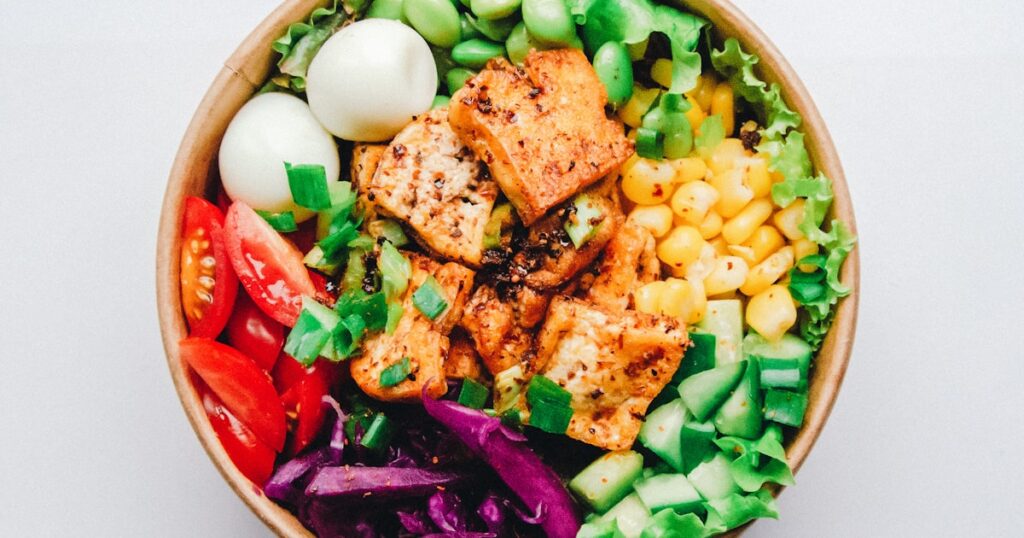
Researchers from Harvard’s T.H. Chan School of Public Health found that people who consumed five or more servings of fruits and vegetables daily had a 20% lower risk of heart disease and stroke compared to those who ate fewer than three servings. Polyphenols, carotenoids, and vitamins C and E found in colorful produce are thought to reduce oxidative stress and endothelial inflammation. The broader the color spectrum on your plate, the wider the range of protective compounds you consume.
4. Replace Saturated Fats With Unsaturated Fats
Dietary guidelines increasingly emphasize the type of fat rather than total fat intake. Replacing saturated fats (found in red meat and full-fat dairy) with unsaturated fats from olive oil, avocado, nuts, and fatty fish has been shown to improve LDL cholesterol profiles and reduce cardiovascular events. A 2015 meta-analysis in PLOS Medicine confirmed that replacing saturated fat with polyunsaturated fat reduces coronary heart disease risk by approximately 10% for every 5% of energy substituted. The Mediterranean diet, consistently ranked among the world’s healthiest, is built around this principle.
5. Increase Dietary Fiber — Especially Soluble Fiber
Soluble fiber, found in oats, barley, beans, and certain fruits like apples and pears, forms a gel-like substance in the digestive tract that binds to cholesterol and bile acids, promoting their excretion. Research published in the British Medical Journal found that each 7-gram increase in daily fiber intake was associated with a 9% reduction in cardiovascular disease risk. Current guidelines recommend 25–38 grams of fiber per day, yet most adults consume fewer than 15 grams.
6. Limit Added Sugars and Sugary Beverages
Excess added sugar is increasingly linked to cardiovascular harm through multiple pathways: it elevates triglycerides, promotes insulin resistance, contributes to obesity, and may directly damage arterial walls. A study in JAMA Internal Medicine found that adults who consumed 17–21% of their calories from added sugar had a 38% higher risk of dying from cardiovascular disease compared to those who limited it to 8% of calories. Sugary beverages — sodas, energy drinks, and sweetened teas — are the largest single source of added sugar in the modern diet.
7. Choose Omega-3-Rich Fish at Least Twice Per Week
Omega-3 fatty acids found in oily fish such as salmon, sardines, mackerel, and herring have well-documented anti-inflammatory and anti-arrhythmic effects. The American Heart Association recommends eating at least two 3.5-ounce servings of fatty fish per week. A pooled analysis of 19 studies found that the highest fish consumption was associated with a 16% lower risk of cardiovascular death compared to the lowest consumption group. For those who don’t eat fish, plant-based omega-3s from flaxseeds, chia seeds, and walnuts provide ALA, though conversion to the more bioavailable EPA and DHA is limited.
8. Follow the DASH or Mediterranean Dietary Pattern
Rather than focusing on single nutrients, leading cardiologists and nutrition researchers now recommend adopting holistic dietary patterns. The DASH diet (Dietary Approaches to Stop Hypertension), developed with NIH funding, has been shown to reduce systolic blood pressure by 8–14 mmHg — comparable to some medications. The Mediterranean diet, meanwhile, was associated with a 30% reduction in major cardiovascular events in the landmark PREDIMED trial published in the New England Journal of Medicine. Both patterns share a common emphasis on vegetables, legumes, whole grains, and healthy fats while limiting processed foods and red meat.
9. Maintain a Heart-Healthy Weight Through Diet Quality, Not Restriction Alone
Excess body weight — particularly abdominal adiposity — increases the burden on the heart, elevates blood pressure, raises cholesterol, and promotes inflammation. However, research suggests that diet quality matters as much as caloric restriction for cardiovascular outcomes. A study in Circulation found that improvements in diet quality were associated with lower cardiovascular risk even among people who did not lose weight, highlighting the independent protective effects of nutrient-dense eating. Focusing on the composition of your diet — not just the quantity — appears to be a sustainable, heart-health strategy.
The Bigger Picture: Lifestyle Synergy
No single food or nutrient is a silver bullet against heart disease. Research consistently shows that the greatest cardiovascular protection comes from a synergistic combination of dietary quality, regular physical activity, tobacco avoidance, moderate alcohol intake, and adequate sleep. A 2020 study in the European Heart Journal found that adhering to five or more healthy lifestyle factors was associated with a 65–83% lower risk of coronary heart disease compared to adhering to none.
If you have existing cardiovascular risk factors — including hypertension, high cholesterol, or a family history of heart disease — consult your healthcare provider before making significant dietary changes. A registered dietitian can help tailor these evidence-based principles to your individual health needs and medical history.
Disclosure: This content is for informational purposes only and is not medical advice. Always consult a qualified healthcare provider before making changes to your health regimen.