Nattokinase is having a moment. Once obscure outside Japan, this enzyme extracted from natto — a traditional fermented soybean food — has become one of the most searched cardiovascular supplements in the United States and Europe. Sales climbed sharply in 2024 and 2025 as claims about clot-busting effects spread on social media.
Behind the hype is a genuine body of clinical research that dates back to the 1980s. The evidence is real but narrower than the marketing suggests. Here is what current studies indicate about nattokinase and heart health, and where the science is still catching up.
What Is Nattokinase?
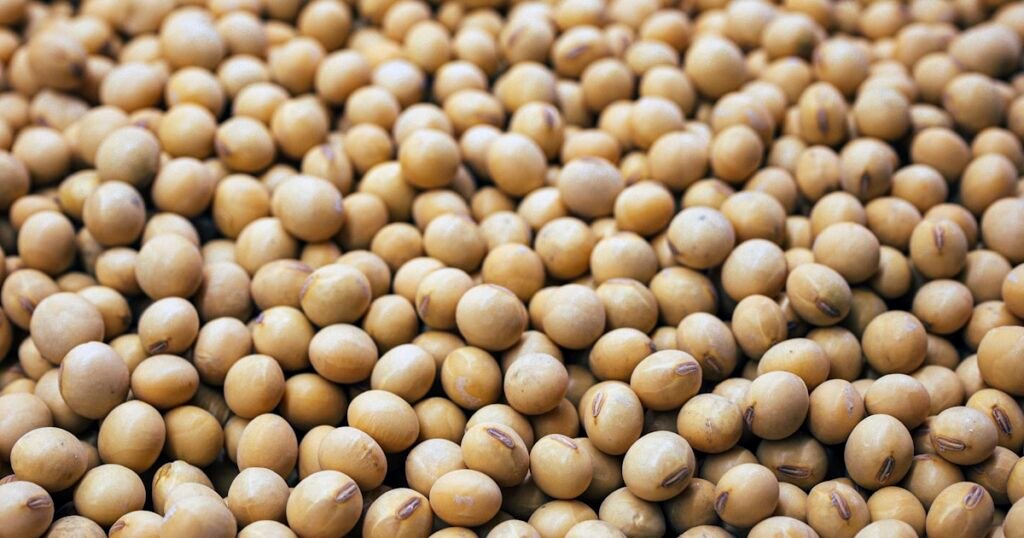
Nattokinase is a serine protease enzyme first isolated in 1980 by Japanese researcher Hiroyuki Sumi at Chicago University Medical School. He discovered it while screening more than 170 foods for fibrinolytic activity — the ability to break down fibrin, the protein mesh at the core of blood clots. Natto, made by fermenting soybeans with Bacillus subtilis natto, stood out sharply.
Commercial supplements are standardized in fibrinolytic units (FU). Most human studies have used doses in the range of 2,000 to 10,000 FU per day, taken orally in capsule form. Because natto itself has a strong smell and texture unfamiliar to many non-Japanese consumers, the capsule market has grown to dominate supplemental use.
Blood Pressure: The Strongest Human Evidence
Blood pressure lowering is the most consistent finding across randomized trials of nattokinase. A 2008 trial in Hypertension Research reported that 2,000 FU per day for eight weeks led to a mean reduction of about 5.5 mmHg in systolic and about 2.8 mmHg in diastolic blood pressure in adults with pre-hypertension or mild hypertension. Follow-up studies published through 2021 have reported similar directional effects, though sample sizes remained small.
A meta-analysis published in Integrated Blood Pressure Control pooled several randomized trials and concluded that nattokinase supplementation was associated with modest but statistically significant reductions in systolic blood pressure. The effect size is smaller than that of prescription antihypertensives, but potentially meaningful when stacked with diet and lifestyle changes.
Fibrinolysis and Clot Breakdown
Nattokinase can degrade fibrin directly in laboratory settings, and human studies have observed changes in blood markers linked to clotting after oral supplementation. A 2015 crossover study in Scientific Reports reported that a single 2,000 FU dose enhanced fibrinolytic activity and reduced fibrinogen levels in healthy adults within hours.
Whether this translates into reduced clinical risk of deep vein thrombosis, stroke, or heart attack in the general population is not yet established. No large, long-duration randomized trial has demonstrated a reduction in hard cardiovascular endpoints from nattokinase. The lab and biomarker signal is promising; the outcome data is not yet there.
Atherosclerosis and Arterial Plaque
A study published in the Journal of the American Heart Association in 2022 followed patients with carotid artery plaque who took nattokinase over 26 weeks. Researchers reported reductions in plaque size in the treatment group compared with controls, along with modest improvements in lipid markers. The results were encouraging but the sample was limited, and independent replication in larger populations is still needed before drawing firm conclusions.
Cholesterol and Metabolic Effects
Some smaller studies have reported improvements in LDL cholesterol and triglycerides with nattokinase, sometimes combined with red yeast rice or plant sterols. The effect appears more consistent when nattokinase is part of a multi-ingredient formula, and it is difficult to isolate how much comes from the enzyme itself. Research suggests that nattokinase may support lipid metabolism, but it is not a replacement for statins or other evidence-based lipid therapies where those are indicated.
Safety and Who Should Be Cautious
For most healthy adults, nattokinase supplements at studied doses have shown a favorable safety profile in trials lasting up to six months. Side effects reported in studies have generally been mild — occasional gastrointestinal discomfort, headache, or nausea.
Because nattokinase has fibrinolytic and blood-thinning properties, several groups should avoid it or use it only under medical supervision:
- Anyone taking anticoagulants such as warfarin, apixaban, rivaroxaban, or dabigatran
- People taking antiplatelet drugs including aspirin or clopidogrel
- Anyone scheduled for surgery within the next two weeks
- People with active bleeding disorders or a history of hemorrhagic stroke
- Pregnant or breastfeeding individuals, due to lack of safety data
Case reports have described bleeding events in patients combining nattokinase with anticoagulants. The interaction risk is not theoretical.
Natto Food Versus Supplements
Eating natto directly delivers nattokinase along with vitamin K2 (MK-7), fiber, plant protein, and probiotic bacteria. Long-running observational studies in Japan, including analyses from the Takayama Study, have linked higher natto consumption to lower cardiovascular mortality. Whether the enzyme, the K2, the fiber, or the whole-food matrix does the work is not fully separated in the data.
One practical consideration: natto is naturally high in vitamin K2, which can interfere with warfarin. Nattokinase supplements are typically processed to remove vitamin K, but not all products confirm this on the label.
Practical Takeaways
- Randomized trials most consistently support a modest blood pressure lowering effect at doses around 2,000 FU per day.
- Biomarker changes suggest enhanced fibrinolytic activity, but hard cardiovascular outcome data is not yet available.
- Product quality varies. Look for supplements standardized in fibrinolytic units (FU) from manufacturers with third-party testing.
- Anyone on blood-thinning medication, with a bleeding disorder, or facing surgery should not take nattokinase without a physician’s guidance.
- Whole-food natto delivers additional nutrients but also comes with vitamin K2 considerations for those on warfarin.
Nattokinase is one of the more evidence-supported cardiovascular supplements on the market, but “evidence-supported” is not the same as “proven to prevent heart attacks.” The reasonable position is cautious interest, not enthusiasm — and a conversation with a healthcare provider before adding it to any regimen that already involves cardiovascular medications.
Disclosure: This content is for informational purposes only and is not medical advice. Always consult a qualified healthcare provider before making changes to your health regimen.