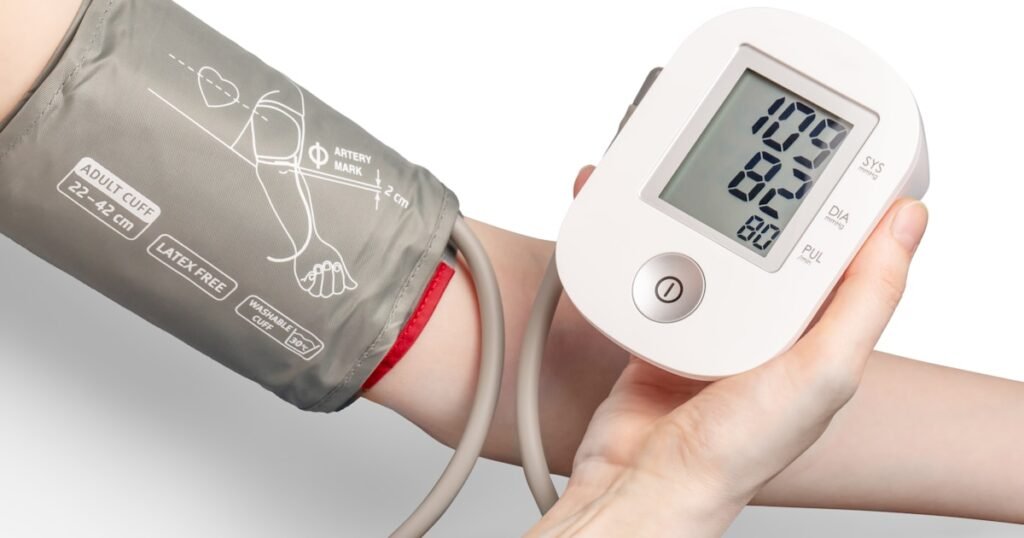
High blood pressure is the world’s leading modifiable risk factor for stroke and heart disease. New research presented at the European Society of Cardiology (ESC) Congress 2026 adds another organ to the list of things it damages: the brain. In a trial that followed nearly 34,000 adults for seven years, driving blood pressure below 130/80 mmHg cut the risk of dementia by roughly 15% compared with usual care.
The finding aligns with a decade of vascular research suggesting that what’s good for the heart is also good for the mind — and that the treatment target physicians choose can meaningfully change how the brain ages.
What the new study found
The China Rural Hypertension Control Program (CRHCP) enrolled almost 34,000 adults aged 40 and older — average age 63 — from rural communities and randomly assigned them to either intensive blood pressure management or usual care. The intensive group aimed for systolic pressure below 130 mmHg and diastolic below 80 mmHg, targets consistent with current American Heart Association guidance. The usual-care group received standard treatment reflecting local clinical practice.
After seven years of follow-up, the intensive-treatment group showed:
- A 15% lower risk of all-cause dementia compared with usual care.
- A 13% lower risk of cognitive impairment that did not yet meet dementia criteria.
- Substantial reductions in average systolic and diastolic blood pressure over the trial period.
The CRHCP results, presented in September 2026, build on the landmark SPRINT-MIND trial published in JAMA in 2019, which found that intensive blood pressure control significantly lowered the combined risk of mild cognitive impairment and probable dementia in more than 9,000 American adults with hypertension. Two rigorous, geographically distinct trials now point in the same direction.
Why blood pressure protects the brain
The brain is one of the body’s most vascular organs, receiving roughly 15% of cardiac output despite representing only about 2% of body weight. Sustained high blood pressure appears to damage the tiny arteries that feed brain tissue, contributing to the small vessel disease, silent infarcts and white matter changes that increasingly show up on brain scans as people age.
"By controlling blood pressure, we may reduce cumulative vascular damage, preserve blood flow, and brain health," Dr. Dung Trinh, a physician not involved in the CRHCP trial, told Medical News Today in a summary of the findings. Cardiologist Dr. Yu-Ming Ni added a simple framing: "Brain cells need a healthy circulation to function."
Beyond direct vascular injury, chronically elevated pressure is associated with a higher lifetime risk of stroke, and stroke roughly doubles the risk of dementia, according to the American Stroke Association. Even "silent" strokes — ones people never notice — leave scars that can accumulate over decades.
How blood pressure is classified
Current U.S. guidance from the American College of Cardiology and American Heart Association classifies blood pressure into these categories:
- Normal: systolic below 120 mmHg and diastolic below 80 mmHg.
- Elevated: systolic 120–129 mmHg and diastolic below 80 mmHg.
- Stage 1 hypertension: systolic 130–139 mmHg or diastolic 80–89 mmHg.
- Stage 2 hypertension: systolic 140 mmHg or higher, or diastolic 90 mmHg or higher.
The intensive targets used in CRHCP and SPRINT-MIND correspond roughly to keeping pressure in the normal or upper-normal range for most adults being treated for hypertension.
Evidence-based ways to lower blood pressure
Medication is the most direct lever, but lifestyle habits have well-documented effects on blood pressure. According to the National Heart, Lung, and Blood Institute, several strategies have consistent evidence behind them:
1. Consider a DASH-style eating pattern
The Dietary Approaches to Stop Hypertension (DASH) pattern emphasizes vegetables, fruits, whole grains, legumes, nuts, fish, poultry and low-fat dairy while limiting sodium, sweets and red meat. In the original DASH-Sodium trial, this pattern combined with reduced sodium intake lowered systolic pressure by about 8–14 mmHg in people with hypertension.
2. Move sodium down and potassium up
The World Health Organization recommends adults consume less than 2 grams of sodium (about 5 grams of salt) per day. Potassium-rich foods — leafy greens, beans, lentils, bananas, potatoes and yogurt — help the kidneys excrete sodium and are associated with lower blood pressure in most healthy adults.
3. Build regular aerobic activity
The U.S. Physical Activity Guidelines recommend 150 minutes of moderate-intensity aerobic activity per week for adults. Regular walking, cycling or swimming is associated with modest but meaningful reductions in resting blood pressure.
4. Address weight, sleep and alcohol
Losing even 5–10% of body weight can lower blood pressure in people who are overweight. Untreated sleep apnea drives resistant hypertension in many patients, and heavy alcohol use consistently raises pressure. Cutting back on alcohol and improving sleep quality are underrated but evidence-backed levers.
5. Take medications as prescribed
For many adults, lifestyle change alone will not reach a target of 130/80 mmHg. Modern antihypertensive drugs — including ACE inhibitors, ARBs, calcium channel blockers and thiazide diuretics — are well studied, generally well tolerated and often used in combination at lower doses to minimize side effects.
Who benefits most — and who should be cautious
Aggressive blood pressure lowering is not appropriate for every patient. Research indicates that some older adults, particularly those with frailty, a history of falls or significant cardiovascular disease, may experience more side effects such as dizziness, kidney strain or fainting at intensive targets. The right target is a decision to make with a healthcare provider based on age, overall health, kidney function and medication tolerance.
People with white-coat hypertension — high readings only in a clinic setting — can benefit from home monitoring or 24-hour ambulatory monitoring to avoid overtreatment. The U.S. Preventive Services Task Force recommends confirming an elevated office reading with out-of-office measurements before starting or intensifying treatment.
What the research does not yet answer
The CRHCP dementia findings have not yet been published in a peer-reviewed journal, and additional analyses will be needed to assess dementia subtypes, adherence, and long-term safety in the intensive group. Researchers also want to understand whether starting intensive control earlier in life — in midlife rather than after age 60 — produces larger brain benefits. Ongoing trials aim to answer that question.
What is clear is the direction of the evidence: two large, methodologically strong trials on different continents now show that tighter blood pressure control is associated with a lower risk of cognitive decline. Combined with what we already know about hypertension and stroke, the case for taking blood pressure seriously — and knowing your numbers — keeps getting stronger.
The takeaway
Blood pressure is one of the most measurable and modifiable risk factors in medicine. New evidence suggests that treating it more intensively — when clinically appropriate — may protect the brain in addition to the heart. If you have not had your blood pressure checked in the past year, or if you’re already being treated and unsure whether your numbers are at goal, that conversation with your healthcare provider is a small step with potentially outsized returns.
Disclosure: This content is for informational purposes only and is not medical advice. Always consult a qualified healthcare provider before making changes to your health regimen.