
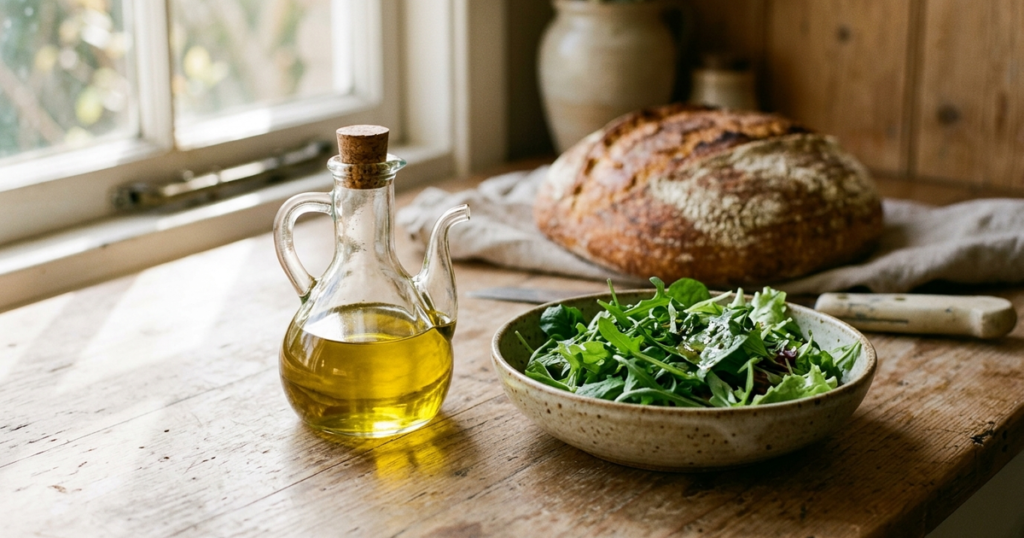
For decades, nutritional guidance for metabolic health has centered almost exclusively on macronutrient quantities: counting total grams of carbohydrates, balancing calories, or calculating glycemic load. Yet a compelling body of clinical and endocrinological research reveals that how you assemble and consume your meal matters nearly as much as what is on your plate. Specifically, shifting the sequence of foods—consuming dietary fats, proteins, or dietary fiber prior to carbohydrates—produces marked reductions in postprandial glucose excursions, moderates post-meal insulin surges, and improves glycemic stability across diverse patient populations.
A landmark study published in October 2026 in the journal Diabetes by researchers from Kyoto University, along with leading incretin endocrinologists, has unraveled the precise neuro-endocrine circuitry governing this phenomenon. Investigating the metabolic aftermath of extra virgin olive oil preloads, the investigators demonstrated that fat intake prior to carbohydrate ingestion delays gastric emptying and stabilizes blood glucose through a previously unrecognized partnership between glucagon-like peptide-1 (GLP-1), glucagon signaling, and the vagus nerve. Understanding this mechanism bridges the gap between everyday dining habits and rigorous metabolic endocrinology.
The Clinical Evidence for Meal Sequencing
The concept of “food order” or “meal sequencing” first gained clinical traction through randomized crossover trials in humans. In an influential trial published in Diabetes Care (2015), researchers at Weill Cornell Medical College evaluated adults with type 2 diabetes consuming an identical meal of grilled chicken, salad, steamed broccoli, ciabatta bread, and orange juice on two separate days. When participants consumed the protein, vegetables, and fat first, followed 10 minutes later by the carbohydrates, post-meal glucose spikes decreased by 29% at 30 minutes, 37% at 60 minutes, and 17% at 90 minutes compared to consuming carbohydrates first. Insulin levels required to manage the meal dropped substantially.
Subsequent human investigations confirmed that these benefits are not limited to advanced diabetes. A 2019 randomized crossover study in Diabetes, Obesity and Metabolism demonstrated that individuals with prediabetes experienced significant blunting of acute glycemic spikes and diminished glycemic variability when carbohydrate ingestion was delayed after vegetables and proteins. More recently, a 4-arm randomized crossover study published in Diabetes, Obesity and Metabolism (2026) tracked continuous glucose monitoring (CGM) profiles in young adults with high-risk phenotypes for early-onset type 2 diabetes. The authors observed that vegetable-first meal sequences systematically suppressed postprandial glucose variability, reducing peak amplitudes and daily glycemic variance without altering the total caloric or macronutrient composition of the diet.
The October 2026 Discovery: How Olive Oil Signals the Gut and Brain
While human clinical trials consistently recorded lower glucose spikes from meal sequencing, the underlying communication network between the digestive tract, pancreas, and autonomic nervous system remained incompletely understood. Scientists generally attributed the effect to mechanical stomach distension and solitary incretin release. The October 2026 Kyoto University study published in Diabetes sought to dissect this neuro-hormonal axis with unprecedented precision.
The research team examined glucose dynamics following nutrient administration under controlled laboratory conditions, testing three specific feeding orders: water followed by glucose, extra virgin olive oil administered 15 minutes before glucose, and glucose administered 15 minutes prior to olive oil. Utilizing oral acetaminophen clearance tests to quantify the exact rate of gastric emptying, the investigators found that olive oil administered prior to glucose dramatically slowed gastric motility, delaying the delivery of glucose into the small intestine where rapid absorption takes place. In contrast, administering olive oil 15 minutes after glucose failed to prevent the immediate, rapid rise in circulation.
The Surprising Partnership Between GLP-1 and Glucagon
The most unexpected molecular revelation involved pancreatic hormone interplay. The fat preload stimulated rapid, early secretion of the gut incretin hormones glucagon-like peptide-1 (GLP-1) and glucose-dependent insulinotropic polypeptide (GIP). Concurrently, the researchers observed an early transient elevation in circulating glucagon—a hormone historically characterized purely as a glycemic antagonist that triggers hepatic glycogen breakdown to elevate blood sugar.
To determine which hormone drove the deceleration in stomach emptying, the investigators deployed targeted genetic knockouts and pharmacological receptor antagonists. Blocking GLP-1 receptor signaling alone did not abolish the glucose-lowering benefit of the olive oil preload. Similarly, blocking glucagon signaling alone failed to eliminate the effect. Only when both GLP-1 and glucagon signaling pathways were blocked simultaneously was the protective deceleration of gastric emptying and glucose suppression significantly mitigated. This finding revealed that glucagon and GLP-1 operate in partial functional redundancy to regulate upper gastrointestinal motility in response to lipid entry.
Autonomic Coordination via the Vagus Nerve
The researchers also performed bilateral subdiaphragmatic vagotomies, surgically interrupting the neural superhighway that connects the brainstem to the gastrointestinal tract. Severing these vagal nerve connections attenuated the preload response, demonstrating that the decelerated gastric emptying triggered by pre-meal healthy fats relies not merely on local hormonal diffusion, but on a coordinated neuro-endocrine loop involving afferent vagal signaling to the central nervous system.
| Meal Sequence | Gastric Emptying Rate | Peak Post-Meal Glucose | Primary Endocrine Drivers | Clinical Impact |
|---|---|---|---|---|
| Carbohydrates First (or Alone) | Rapid (30–45 min peak) | High (Sharp spike) | Surge in insulin; minimal early GLP-1 | Steep glycemic excursions; subsequent reactive hypoglycemia |
| Vegetables & Soluble Fiber First | Moderately Delayed | Moderated (20–35% reduction) | Physical viscous barrier; distal L-cell stimulation | Smoother glucose curve; increased post-meal satiety |
| Healthy Fat Preload (e.g., Olive Oil) | Significantly Delayed | Blunted (30–40% reduction) | Coordinated GLP-1, GIP, glucagon & vagal brake | Delayed intestinal transit; lower cumulative insulin demand |
| Combined Fat/Protein + Fiber First | Optimally Controlled | Lowest (35–50% reduction) | Synergistic cholecystokinin (CCK), GLP-1, and mechanical delay | Optimal postprandial stability and reduced cardiometabolic stress |
Why Slower Gastric Emptying Matters for Longevity and Metabolic Health
When high-glycemic carbohydrates enter an empty stomach, rapid gastric emptying propels monosaccharides and disaccharides into the duodenum within minutes. Brush border enzymes rapidly cleave starches, overwhelming sodium-glucose cotransporter-1 (SGLT1) proteins and dumping glucose into portal circulation. The resulting glycemic spike triggers two significant biological consequences:
- Endothelial Oxidative Stress: Rapid glucose excursions provoke an acute burst of reactive oxygen species (ROS) in vascular endothelial cells, impairing nitric oxide bioavailability and transiently elevating vascular inflammation. Research indicates that frequent postprandial glucose variability is more damaging to endothelial function than continuous, mild elevations in fasting blood sugar.
- Beta-Cell Hypersecretion: To bring sudden glycemic surges under control, pancreatic beta cells must secrete supraphysiological pulses of insulin. Over months and years, repeated hyperinsulinemic surges contribute to down-regulation of insulin receptors on skeletal muscle and hepatocytes, reinforcing peripheral insulin resistance.
By slowing gastric emptying, pre-meal fats and dietary fibers transform what would have been a sharp metabolic spike into a gentle, extended plateau. Glucose enters portal circulation at a pace that basal or moderately elevated insulin concentrations can comfortably clear into hepatic and muscular glycogen stores. Furthermore, because gastric emptying is extended, satiety signals mediated by peptide YY (PYY) and cholecystokinin (CCK) persist longer, naturally reducing second-meal calorie intake and curtailing afternoon cravings.
Practical Applications: How to Apply Meal Sequencing Every Day
The beauty of meal sequencing lies in its sustainability. Unlike restrictive dietary regimens that demand the complete elimination of complex carbohydrates or favorite cultural foods, food ordering requires only a conscious restructuring of the eating timeline. Nutritional guidance from the National Institute of Diabetes and Digestive and Kidney Diseases (NIDDK) stresses balanced eating patterns that support long-term metabolic control. Incorporating nutrient sequencing can be accomplished through simple, accessible kitchen practices:
- Start with Non-Starchy Vegetables and Olive Oil: Begin lunch or dinner with a crisp salad dressed in extra virgin olive oil, steamed broccoli drizzled with tahini, or roasted asparagus. The combination of dietary fiber and lipid droplets initiates early incretin secretion and physical gastric retarding before starches arrive.
- Follow with Protein and Healthy Fats: Move next to fish, poultry, tofu, lentils, or eggs. Protein digestion stimulates CCK release, further slowing antral stomach contractions and signaling satiety to the hypothalamus.
- Finish with Whole Carbohydrates: Consume whole grains, brown rice, sweet potatoes, whole-grain sourdough, or starchy vegetables toward the final third of the meal. By the time these starches reach the stomach, the gastric emptying brake is fully engaged.
- Allow a Modest Buffer: Research indicates that an interval of 5 to 10 minutes between courses enhances the hormonal brake, though eating course-by-course during a continuous, unhurried meal still yields pronounced metabolic benefits.
Study Limitations and Evidence Nuance
While the biological mechanisms are compelling, rigorous health reporting requires understanding study boundaries. The October 2026 Kyoto University study identified specific molecular mechanisms—such as the redundant GLP-1/glucagon pathways and subdiaphragmatic vagal mediation—primarily within controlled murine experiments. While rodents share fundamental incretin and gastric physiology with humans, animal models cannot fully replicate human digestive timelines, cephalic food anticipation, or complex mixed-dish diets.
Additionally, while human clinical crossover trials show strong short-term reductions in postprandial glucose and glycemic variability, large-scale multi-year trials measuring primary cardiovascular endpoints or long-term HbA1c shifts strictly from meal sequencing remain an area of ongoing study. For individuals using exogenous insulin, insulin secretagogues, or GLP-1 receptor agonist medications, significantly altering gastric emptying kinetics may shift the timing of glucose absorption; adjustments should always be discussed with a personal physician to prevent late-phase hypoglycemia.
Sources and Further Reading
- Diabetes (American Diabetes Association, Oct 2026): Olive Oil Before Oral Glucose Delays Gastric Emptying and Lowers Glycemia Through Partially Redundant Glucagon and GLP-1 Signaling in Mice (Daisuke Yabe, Daniel J. Drucker, Michael Horowitz, et al.)
- Diabetes Care (2015): Food Order Has a Significant Impact on Postprandial Glucose and Insulin Levels (Alpana P. Shukla et al., Weill Cornell Medical College)
- Diabetes, Obesity and Metabolism (2019): The impact of food order on postprandial glycaemic excursions in prediabetes (Alpana P. Shukla, Radu G. Igel, et al.)
- Diabetes, Obesity and Metabolism (PMC, 2026): Vegetable-First Meal Sequence Suppresses Postprandial Glycaemic Excursions and Variability in Young Women With High-Risk Phenotype for Early-Onset Type 2 Diabetes
- National Institute of Diabetes and Digestive and Kidney Diseases (NIDDK, NIH): Diet, Eating, and Physical Activity for Type 2 Diabetes Management
- American Diabetes Association (ADA): Healthy Eating Guidelines and Meal Planning Fundamentals
Related Reading
- Low-Fat Vegan Diet Slashes Liver Fat in Type 2 Diabetes
- Ultra-Processed Foods Spike Insulin Even When Calories Match
- Should Healthy People Wear Continuous Glucose Monitors?
Disclosure: This content is for informational purposes only and is not medical advice. Always consult a qualified healthcare provider before making changes to your health regimen.