
For decades, men diagnosed with prostate cancer have received the same broad lifestyle advice: exercise, avoid smoking, and eat a balanced diet. New research is now sharpening that guidance. A growing body of evidence suggests the type of fat in a man’s diet — not just the amount — may meaningfully influence how long he lives after a prostate cancer diagnosis.
The takeaway from recent studies is striking in its simplicity: replacing animal-based fats with plant-based fats appears to be associated with lower mortality risk in men with prostate cancer. Here’s what the research shows, why it may matter, and how the findings fit into the broader picture of nutrition and men’s health.
The Latest Research on Dietary Fats and Prostate Cancer Outcomes
A large observational study published in JAMA Network Open analyzed diet and mortality data from thousands of men diagnosed with non-metastatic prostate cancer. Researchers tracked what participants ate and followed their health outcomes over many years. The pattern that emerged was consistent: higher intake of plant-based fats after diagnosis was linked to a lower risk of dying from prostate cancer and from any cause.
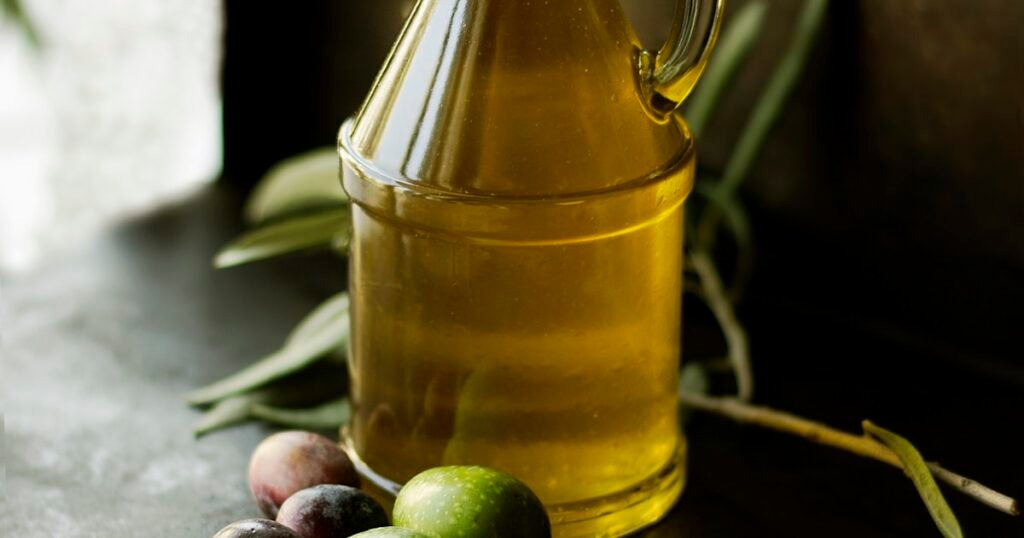
Specifically, when men substituted plant fats — from sources such as olive oil, nuts, seeds, and avocado — for equivalent calories from animal fats like fatty red meat, butter, and full-fat dairy, researchers observed measurable reductions in mortality risk. The associations held even after adjusting for age, weight, smoking, physical activity, and overall calorie intake.
These findings echo earlier work from Harvard T.H. Chan School of Public Health and other research groups, which have repeatedly found that men with prostate cancer who eat more vegetable fats — and less saturated animal fat — tend to fare better over time.
What Counts as a “Plant Fat”?
Plant-based fats include:
- Extra-virgin olive oil
- Avocados and avocado oil
- Nuts such as walnuts, almonds, and pistachios
- Seeds including flaxseed, chia, and pumpkin seeds
- Nut butters made without added sugars or hydrogenated oils
These foods are rich in monounsaturated and polyunsaturated fatty acids, plant sterols, polyphenols, and vitamin E — nutrients that appear to support cardiovascular health and may play a role in modulating inflammation.
Why Might Plant Fats Matter for Prostate Cancer?
Researchers are still working out the biological mechanisms, but several plausible pathways have been proposed.
Inflammation and Tumor Environment
Chronic low-grade inflammation is thought to influence cancer progression. Diets high in saturated animal fats can promote inflammatory signaling, whereas plant-based fats — particularly the monounsaturated fats in olive oil and omega-3s in walnuts and flax — are associated with more favorable inflammatory profiles in clinical studies.
Insulin, IGF-1, and Cell Growth
Higher intakes of animal fat and red meat have been linked to elevated levels of insulin-like growth factor-1 (IGF-1), a hormone that in some studies is associated with prostate cancer risk and progression. Plant-forward eating patterns tend to be associated with lower IGF-1 signaling, according to research summarized by the National Cancer Institute.
Cardiovascular Health
Men with prostate cancer are more likely to die from heart disease than from the cancer itself, especially when the cancer is caught early. Because plant fats improve cholesterol profiles and vascular health, the mortality benefit observed in studies likely reflects better cardiovascular outcomes on top of any direct effect on tumor biology.
How This Fits With the Mediterranean Diet
The dietary pattern most consistently linked to better prostate cancer outcomes closely resembles the Mediterranean diet: abundant vegetables, fruits, legumes, whole grains, fish, and olive oil, with modest amounts of poultry and minimal red or processed meat.
A 2021 study in Cancer found that men with localized prostate cancer who most closely followed a Mediterranean-style diet had slower disease progression than those with less Mediterranean-aligned eating patterns. Similar signals have appeared in analyses from the Health Professionals Follow-up Study, one of the largest long-running cohorts of men’s health in the United States.
Notably, the Mediterranean diet is also one of the eating patterns most strongly endorsed by the American Heart Association for cardiovascular disease prevention — a helpful convergence for prostate cancer survivors managing multiple health risks at once.
What the Research Does Not Prove
These are important nuances to keep in mind:
- Observational, not causal. Most of the evidence comes from observational studies. They can show strong associations but cannot definitively prove that changing dietary fat directly causes improved survival.
- Overall pattern matters. Men who eat more plant fats generally also eat more vegetables, whole grains, and fiber, and may be more physically active. The benefit likely reflects a whole lifestyle, not any single food.
- Not a substitute for treatment. Diet is a complement to — not a replacement for — surgery, radiation, hormone therapy, active surveillance, or other treatments recommended by an oncology team.
Practical Ways to Shift the Fat Balance
Men interested in aligning their diet with the research can consider small, sustainable swaps rather than sweeping overhauls:
- Use extra-virgin olive oil in place of butter for cooking and dressings.
- Choose a handful of nuts or seeds as a snack instead of processed meat sticks or cheese.
- Build meals around beans, lentils, fish, or poultry more often, and reserve red meat for occasional use.
- Add avocado to salads, sandwiches, and grain bowls.
- Read labels on packaged foods and prioritize products lower in saturated fat.
The National Institutes of Health and the National Cancer Institute both publish evidence-based dietary guidance for cancer survivors that aligns with these principles.
The Bottom Line
Prostate cancer is one of the most common cancers in men, and survivorship increasingly extends over many years or decades. That makes long-term lifestyle choices — including the composition of daily meals — a meaningful lever for overall health.
The current research suggests men diagnosed with prostate cancer may benefit from shifting the balance of dietary fats toward plant sources such as olive oil, nuts, seeds, and avocado, while moderating intake of saturated animal fats. This approach also supports heart health, which is often the leading long-term risk for prostate cancer survivors.
Any dietary changes should be discussed with a healthcare provider, oncologist, or registered dietitian who can tailor recommendations to individual treatment plans, medications, and other health conditions.
Disclosure: This content is for informational purposes only and is not medical advice. Always consult a qualified healthcare provider before making changes to your health regimen.