
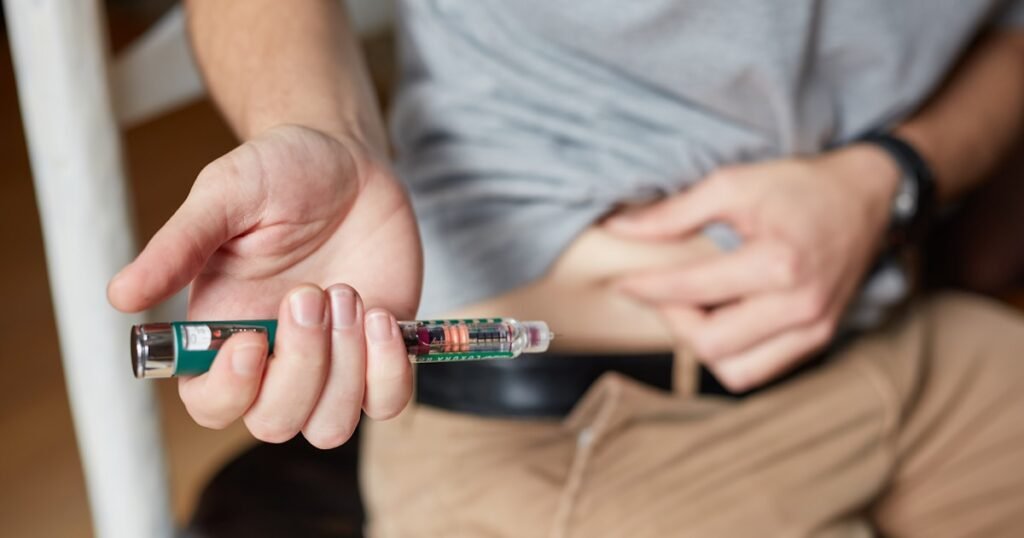
GLP-1 receptor agonists such as semaglutide (Ozempic, Wegovy), tirzepatide (Mounjaro, Zepbound), and liraglutide (Saxenda, Victoza) have become some of the most prescribed medications in the United States. As of 2025, an estimated one in eight U.S. adults has taken a GLP-1 drug. Along with dramatic weight-loss results has come growing attention to a specific gastrointestinal side effect: gastroparesis, sometimes referred to as “stomach paralysis.”
Slowed stomach emptying is not a defect of these drugs — it’s part of how they work. But in a small subset of patients, that slowing appears to persist or become severe. Research suggests the risk is real, though absolute numbers remain low compared to the millions of prescriptions written each year.
How GLP-1 drugs affect the stomach
GLP-1 (glucagon-like peptide-1) is a natural gut hormone released after eating. Synthetic GLP-1 agonists mimic that hormone at higher and longer-lasting concentrations. According to a review in Nature Reviews Endocrinology, these drugs lower blood sugar and drive weight loss through several mechanisms — including stimulating insulin release, suppressing appetite in the brain, and delaying gastric emptying.
Slower stomach emptying makes people feel full longer and blunts the post-meal blood-sugar spike. For most users, this effect is mild and eases over time. For others, the delay can become pronounced enough to produce ongoing symptoms.
What gastroparesis is
Gastroparesis is a condition in which the stomach empties food into the small intestine much more slowly than normal, without a physical blockage. The National Institute of Diabetes and Digestive and Kidney Diseases lists common symptoms as:
- Nausea and vomiting, sometimes of undigested food
- Feeling full after only a few bites
- Bloating and upper-abdominal pain
- Heartburn or reflux
- Poor appetite and unintended weight loss
- Unstable blood sugar in people with diabetes
Gastroparesis is typically diagnosed with a gastric emptying study, in which imaging tracks how quickly a standard meal moves out of the stomach. The condition is most often idiopathic, related to long-standing diabetes, or triggered by certain medications or surgeries.
What research says about GLP-1 drugs and gastroparesis risk
The most cited signal comes from a 2023 pharmacoepidemiology study by Sodhi and colleagues published in JAMA. Analyzing insurance data from roughly 5,400 patients using GLP-1 drugs for weight loss (excluding those with diabetes), the researchers reported a substantially elevated hazard ratio for gastroparesis compared with users of bupropion-naltrexone (another weight-loss agent). Reported risks of bowel obstruction and pancreatitis were also higher.
Absolute event rates were still low — under 1% of users in the cohort — but the relative signal was strong enough that regulators took notice. In September 2023, the U.S. Food and Drug Administration updated Ozempic’s label to add ileus (a form of intestinal blockage) to the list of reported adverse reactions. Later analyses have produced mixed results: some large real-world studies have found more modest excess risk once patient factors like diabetes duration and BMI are accounted for.
The current scientific picture: severe or persistent gastroparesis appears to be uncommon, but it can occur, and patients and clinicians should be aware.
Symptoms that warrant medical attention
Mild nausea, early fullness, and constipation are among the most common GLP-1 side effects and usually improve after the first few weeks or with slower dose escalation. Symptoms that suggest something more serious — and warrant contacting a healthcare provider — include:
- Vomiting that persists for more than a day or two
- Vomiting of food eaten many hours earlier
- Inability to keep fluids down
- Severe or worsening abdominal pain
- Signs of dehydration such as dizziness or reduced urination
- Unintended weight loss beyond expected
The American Gastroenterological Association notes that most GLP-1 gastrointestinal symptoms resolve after stopping the drug, though recovery can take weeks in more severe cases.
Anesthesia and surgery: a special concern
Because GLP-1 drugs slow stomach emptying, patients can have food in the stomach even after standard pre-surgical fasting — raising the risk of aspiration under anesthesia. In 2023, the American Society of Anesthesiologists issued consensus guidance recommending that patients hold daily GLP-1 medications on the day of a procedure and weekly formulations for a week prior, when clinically feasible.
Updated multi-society guidance published in 2024 refined this advice, suggesting decisions be individualized based on dose, indication, and gastrointestinal symptoms. Anyone taking a GLP-1 drug should tell every surgeon, dentist performing sedation, or endoscopist ahead of time.
Who may be at higher risk
Not every GLP-1 user faces the same risk. Factors that appear to raise the likelihood of significant gastrointestinal effects include:
- Higher or rapidly escalated doses. Slow titration is standard practice for a reason.
- Pre-existing motility problems such as long-standing type 2 diabetes with autonomic neuropathy.
- Concurrent medications that further slow the gut, including opioids and some anticholinergics.
- A history of gastroparesis, in which case current labeling advises against use of most GLP-1 agonists.
Questions worth asking your healthcare provider
For anyone taking or considering a GLP-1 medication, useful conversations with a clinician include:
- What symptoms should prompt me to call the office versus go to urgent care?
- Is my dose being escalated at a pace my gut can tolerate?
- Do I have any conditions or medications that increase gastrointestinal risk?
- Do I have any upcoming procedures that require me to hold the drug?
- What is the plan if I develop persistent nausea or vomiting?
The bottom line
GLP-1 receptor agonists deliver meaningful benefits for many people with type 2 diabetes, obesity, and — increasingly — related cardiovascular and kidney conditions. Slowed stomach emptying is part of how they work, and mild digestive symptoms are common early on. Severe or persistent gastroparesis appears to be uncommon but is a real, documented risk, most clearly reflected in updated FDA labeling and anesthesia guidance.
As with any powerful medication, the goal is informed use: understanding what the drug does, watching for warning signs, and keeping every member of your care team — from prescriber to surgeon — in the loop.
Disclosure: This content is for informational purposes only and is not medical advice. Always consult a qualified healthcare provider before making changes to your health regimen.