
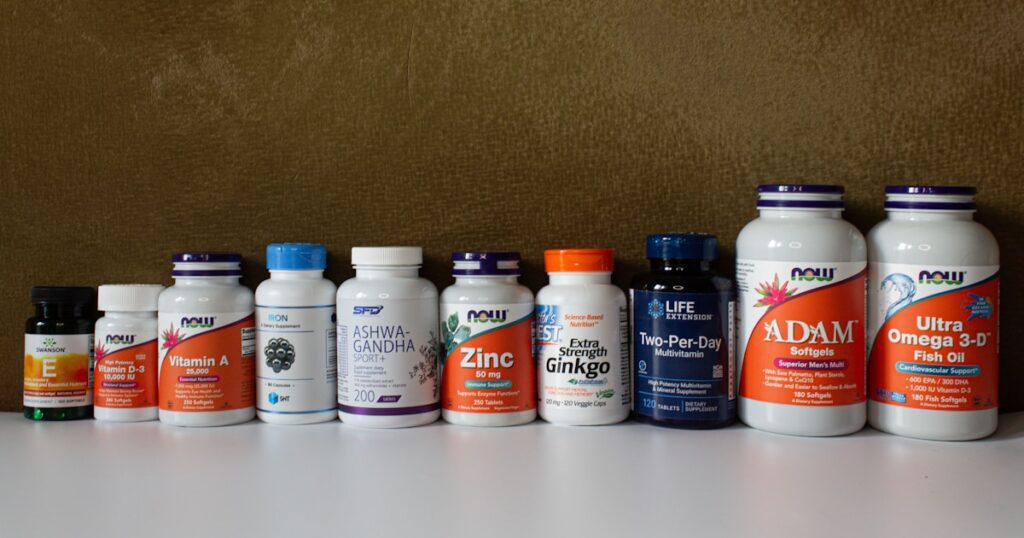
For decades, calcium and vitamin D supplements have been a staple recommendation for protecting aging bones. Walk into any pharmacy and you will find shelves of bottles promising stronger skeletons and fewer fractures. Yet a growing body of high-quality research suggests that, for most healthy adults living independently, these supplements may offer surprisingly little benefit. Understanding where the science actually stands can help you make smarter decisions about bone health.
What the Latest Research Shows
The U.S. Preventive Services Task Force (USPSTF), an independent panel of medical experts, has reviewed the evidence on calcium and vitamin D supplementation multiple times. In its most recent updates, the panel concluded that there is insufficient evidence to recommend routine calcium or vitamin D supplements to prevent fractures in healthy, community-dwelling postmenopausal women and older men.
A large meta-analysis published in JAMA pooled data from more than 50,000 community-dwelling older adults and found no significant reduction in hip fracture, non-vertebral fracture, or total fracture risk among those taking calcium, vitamin D, or both, compared with placebo. Research summarized by the National Institutes of Health (NIH) Office of Dietary Supplements echoes this picture: while severe deficiency clearly harms bone, additional supplementation in people already meeting basic intake levels does not consistently translate into stronger bones or fewer breaks.
Where the Evidence Is Stronger
The picture changes for certain higher-risk groups. Research suggests supplementation may still meaningfully reduce fracture risk among:
- Adults living in nursing homes or long-term care, who often have very low sun exposure and dietary intake
- People with documented vitamin D deficiency or osteomalacia
- Individuals on long-term corticosteroid therapy
- Those with malabsorption conditions such as celiac disease, Crohn’s disease, or after bariatric surgery
In these populations, addressing a true deficit is different from adding supplements on top of an already adequate intake.
Why More Is Not Necessarily Better
Bone is a dynamic tissue, constantly remodeled by cells called osteoblasts and osteoclasts. Calcium is the raw material, and vitamin D helps the gut absorb it. But once intake crosses the threshold the body needs, extra calcium does not get deposited into stronger bones. Instead, studies indicate it may circulate in the blood, raising concerns about kidney stones and, in some trials, cardiovascular risk.
A pooled analysis in the BMJ raised questions about whether high-dose calcium supplements modestly increase the risk of heart attack, although the data remain debated. The NIH notes that calcium from food sources has not shown the same signals, which has led many specialists to recommend prioritizing dietary calcium whenever possible.
The Vitamin D Question
Vitamin D has been studied intensively over the past decade. The VITAL trial, which followed more than 25,000 U.S. adults for over five years, found that 2,000 IU of vitamin D daily did not significantly reduce fractures, cancer incidence, or major cardiovascular events compared with placebo in generally healthy adults. Other large trials have reached similar conclusions for bone outcomes.
Researchers caution that benefits may still exist for people with low baseline vitamin D levels, but routine high-dose supplementation in already-sufficient adults has not delivered the dramatic effects once hoped for.
What Actually Builds and Protects Bone
Strong evidence supports several non-supplement strategies that consistently help maintain bone density and reduce fracture risk.
Weight-Bearing and Resistance Exercise
Mechanical loading is one of the most powerful signals for bone formation. Walking, jogging, dancing, and stair climbing all qualify as weight-bearing, while resistance training adds direct strain that stimulates new bone tissue. A review in the British Journal of Sports Medicine highlights resistance training as particularly effective for preserving hip and spine bone mineral density in postmenopausal women.
Protein and Whole-Food Nutrition
Adequate protein, often underestimated in older adults, supplies amino acids for bone matrix and muscle that supports balance. Research suggests aiming for about 1.0 to 1.2 grams of protein per kilogram of body weight daily for adults over 65, distributed across meals.
For calcium, the National Institutes of Health recommends 1,000 to 1,200 mg per day for most adults, ideally from food. Rich sources include:
- Dairy products such as yogurt, milk, and cheese
- Calcium-set tofu and tempeh
- Sardines and canned salmon with bones
- Leafy greens like collards, bok choy, and kale
- Almonds, sesame seeds, and tahini
- Fortified plant milks and breakfast cereals
For vitamin D, sensible sun exposure, fatty fish such as salmon and sardines, egg yolks, and fortified foods contribute meaningfully. A blood test can clarify whether you actually need a supplement.
Fall Prevention
Most fractures in older adults happen because of a fall, not because of weak bones alone. Balance training, tai chi, removing home tripping hazards, vision checks, and reviewing medications that cause dizziness are all evidence-based ways to lower fracture risk.
How to Think About Supplements for Yourself
Supplements are not inherently bad, and for some people they are essential. The shift in the science is away from a one-size-fits-all approach and toward personalized assessment. A few practical questions worth discussing with a healthcare provider:
- What is your current dietary calcium intake from food?
- Has your vitamin D level been measured recently?
- Do you have risk factors such as prior fractures, low body weight, family history of osteoporosis, or long-term steroid use?
- Are you getting consistent weight-bearing and resistance exercise?
If your diet already covers your calcium needs and your vitamin D status is normal, adding routine high-dose supplements may simply be unnecessary. If you have documented deficiencies or high-risk conditions, targeted supplementation under medical guidance is a different conversation.
The Bottom Line
Calcium and vitamin D matter for bone health, but newer research suggests that for most healthy, well-nourished adults, popping daily supplements is not the powerful fracture prevention strategy it was once believed to be. The strongest evidence supports building bone the harder, slower way: a nutrient-dense diet rich in whole foods, regular weight-bearing and resistance exercise, fall prevention, and personalized medical guidance when risk factors exist.
Before changing any supplement regimen, including stopping one you currently take, talk with your healthcare provider. The right answer depends on your individual nutrition, blood levels, medications, and bone health history.
Disclosure: This content is for informational purposes only and is not medical advice. Always consult a qualified healthcare provider before making changes to your health regimen.