
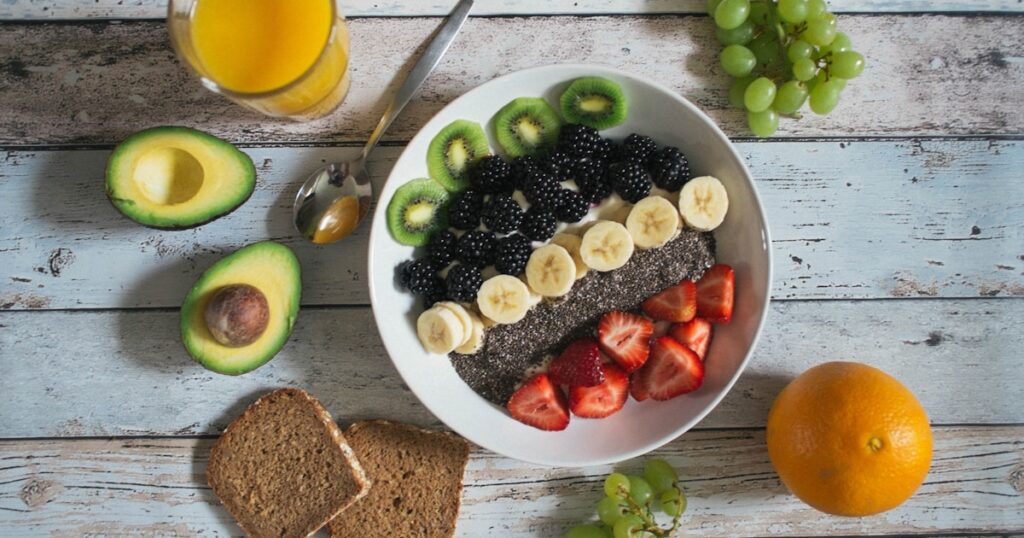
As global dementia cases climb past 55 million, researchers have turned to the dinner plate as one of the most promising — and accessible — frontiers in prevention. The MIND diet, short for Mediterranean-DASH Intervention for Neurodegenerative Delay, has emerged as a leading nutritional framework specifically designed to slow cognitive decline. New research published in recent years has both refined and complicated the picture, making it one of the most studied eating patterns in brain health today.
What Is the MIND Diet?
The MIND diet was developed in 2015 by the late Martha Clare Morris, a nutritional epidemiologist at Rush University Medical Center. Morris and her team designed it as a hybrid of two well-established eating patterns — the Mediterranean diet and the DASH (Dietary Approaches to Stop Hypertension) diet — but with a twist: foods were selected and weighted based on emerging research linking specific nutrients to brain health.
The result is a flexible, food-based plan that highlights ten brain-protective food groups and limits five foods linked to inflammation and cognitive decline. Unlike rigid prescriptions, the MIND diet emphasizes patterns of eating rather than calorie counting or strict macronutrient ratios.
Ten Foods to Eat Often
- Leafy green vegetables — at least 6 servings per week (spinach, kale, collards, romaine)
- Other vegetables — at least 1 serving per day
- Berries — at least 2 servings per week (blueberries and strawberries are specifically studied)
- Nuts — 5 servings per week
- Olive oil — as the primary cooking fat
- Whole grains — at least 3 servings per day
- Fish — once a week or more
- Beans and legumes — at least 3 servings per week
- Poultry — at least twice a week
- Wine — up to one glass per day (optional, and increasingly debated)
Five Foods to Limit
- Red and processed meats
- Butter and stick margarine
- Cheese
- Pastries and sweets
- Fried and fast food
What the Research Shows
The original 2015 observational study from Rush, published in Alzheimer’s & Dementia, followed 923 older adults for an average of 4.5 years. Participants with the highest MIND diet adherence had a 53% lower risk of Alzheimer’s disease, while even moderate adherence was associated with a 35% lower risk. Notably, partial adherence appeared to deliver meaningful benefits — a key practical takeaway.
A 2024 update, also from Rush and published in Neurology, followed more than 14,000 adults and reported that higher MIND diet scores were associated with slower cognitive decline across racial and ethnic groups, including Black adults — an important finding given that prior dietary research had largely focused on white populations.
However, the picture became more nuanced with a landmark 2023 randomized controlled trial published in The New England Journal of Medicine. Researchers led by Lisa Barnes assigned 604 cognitively healthy older adults to either the MIND diet or a mild calorie-restriction control diet for three years. Both groups showed similar, modest cognitive improvements — meaning the MIND diet did not outperform the control on the primary outcome.
Researchers noted that the control group also improved their diet quality, narrowing the comparison gap. The trial nonetheless confirms that improving overall diet quality — through MIND or comparable patterns — appears beneficial.
Why Specific Foods Matter
Leafy Greens and Berries
Earlier work by Morris published in Neurology in 2018 found that consuming one serving of leafy greens daily was associated with a rate of cognitive decline equivalent to being approximately 11 years younger in brain age. Researchers attribute this to folate, vitamin K, lutein, beta-carotene, and nitrate content — nutrients linked to vascular and neuronal health.
Berries — particularly blueberries and strawberries — are singled out for their high anthocyanin content. A Harvard study published in the Annals of Neurology found that women who ate the most berries had cognitive aging delayed by up to 2.5 years compared to those who ate the least.
Omega-3s, Polyphenols, and the Inflammation Connection
Chronic low-grade inflammation and oxidative stress are increasingly recognized as drivers of neurodegeneration. The MIND diet is rich in anti-inflammatory compounds: omega-3 fatty acids from fish, polyphenols from olive oil and berries, and antioxidants from leafy greens. A 2024 review in Advances in Nutrition concluded that anti-inflammatory dietary patterns are consistently associated with reduced dementia risk in observational cohorts.
Practical Steps to Get Started
Adopting the MIND diet does not require an overhaul. Small, consistent changes appear to drive most of the benefit observed in studies.
- Add a side salad daily. One serving of dark leafy greens covers the highest-impact food group.
- Keep frozen berries on hand. They retain their anthocyanin content and make breakfast smoothies or yogurt bowls easy.
- Switch your cooking fat. Replace butter with extra-virgin olive oil for most cooking and dressings.
- Plan two fish meals per week. Fatty fish like salmon, sardines, or mackerel deliver brain-protective omega-3s.
- Snack on nuts. A small handful of walnuts, almonds, or pistachios most days hits the weekly target.
- Limit ultra-processed foods. Pastries, deep-fried items, and processed meats are among the most consistent drivers of cognitive decline in epidemiological studies.
Important Caveats
The MIND diet is not a treatment for dementia or Alzheimer’s disease. Most evidence comes from observational research that can demonstrate association but not causation. The 2023 randomized trial suggests that effects may be smaller in magnitude — or harder to detect over short periods — than initial observational studies indicated. Genetic factors, physical activity, sleep, cardiovascular health, and social engagement all play substantial, interacting roles in cognitive aging.
For people with chronic kidney disease, severe food allergies, or specific medical conditions, some MIND diet recommendations may need adjustment. Anyone considering significant dietary change — particularly if managing medications, blood thinners (notably with leafy green vitamin K intake), or diabetes — should consult their healthcare provider.
Bottom Line
Research suggests that the MIND diet — emphasizing leafy greens, berries, nuts, fish, olive oil, and whole grains while limiting processed and fried foods — is associated with healthier cognitive aging in large observational studies. Even partial adherence appears to offer measurable benefits. While clinical trial results have tempered some early enthusiasm, the broader message is consistent: an anti-inflammatory, plant-forward eating pattern is one of the most accessible levers individuals have for long-term brain health.
Disclosure: This content is for informational purposes only and is not medical advice. Always consult a qualified healthcare provider before making changes to your health regimen.