
Non-alcoholic fatty liver disease — now increasingly referred to as
metabolic dysfunction-associated steatotic liver disease, or MASLD — has
quietly become one of the most common chronic conditions in the world.
Estimates from the National Institute of Diabetes and Digestive and Kidney Diseases (NIDDK)
suggest that roughly one in four adults globally is living with excess fat
buildup in the liver, often without knowing it.
Left unchecked, MASLD can progress to inflammation, scarring, and even
liver failure. Yet for most people, the earliest and most powerful lever is
still what ends up on the plate. A growing body of research suggests one
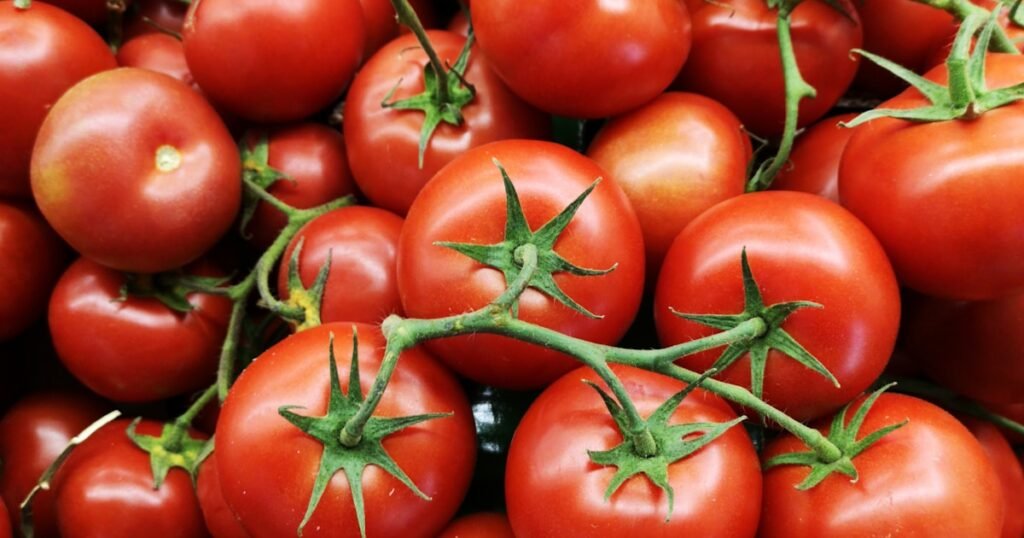
common kitchen staple — the humble tomato — may play a meaningful
role in protecting the liver.
Why the Liver Needs Extra Support
The liver acts as the body’s biochemical filter, processing
everything from medications to metabolic byproducts. When too many calories,
refined carbohydrates, or fructose flow in, hepatocytes begin storing the
excess as fat. Over time, this triggers a cascade of oxidative stress,
inflammation, and insulin resistance that defines MASLD.
According to research published in The Lancet Gastroenterology &
Hepatology, the global prevalence of MASLD has climbed to about 30
percent of adults — and it now sits alongside alcohol as a leading
driver of liver transplants in the United States. That has pushed
nutrition researchers to look harder at foods that might blunt oxidative
damage in the liver.
The Lycopene Advantage
Tomatoes are the single largest dietary source of lycopene,
a red carotenoid pigment prized for its antioxidant activity. Unlike many
antioxidants, lycopene is fat-soluble, which allows it to accumulate in
tissues rich in lipids — including the liver itself.
A comprehensive review in Chronic Diseases and Translational
Medicine by Stice and colleagues concluded that high intake of
tomatoes and lycopene is associated with a reduced risk of chronic
metabolic conditions, in part through reductions in liver oxidative stress
and inflammatory signaling. Preclinical studies have shown that lycopene
can lower fat accumulation, suppress inflammatory pathways such as NF-κB,
and support healthier gut-liver crosstalk.
What Human Data Shows
Human evidence is still emerging, but the signal is encouraging. A 2024
analysis published in the journal Nutrients examined 969
participants from the NUTRIHEP cohort in Italy. Researchers found that
individuals with higher intake of both cooked and fresh tomato products
had a lower likelihood of hepatic steatosis compared with those consuming
minimal amounts.
A separate clinical study in The Journal of Clinical Medicine
evaluated lycopene-rich tomato sauce in children with obesity and NAFLD.
Participants showed improvements in oxidative stress markers and immune
function, suggesting that regular tomato intake may support liver health
even in early life.
Cooked vs. Raw: Why Preparation Matters
One quirk of lycopene chemistry is that cooking makes it more
bioavailable. Heat breaks down the tomato’s cell walls and
converts lycopene into a form the body absorbs more efficiently. Adding
a small amount of olive oil boosts absorption further, because lycopene
is fat-soluble.
- Highest lycopene per serving: tomato paste, sun-dried
tomatoes, and canned tomato sauce. - Everyday winners: homemade marinara, roasted
tomatoes, tomato soup. - Still useful: fresh tomatoes and cherry tomatoes,
especially when combined with a healthy fat.
Studies indicate that consuming roughly 10–30 mg of lycopene per
day — the equivalent of a half-cup of tomato sauce or a couple of
tablespoons of tomato paste — is enough to raise blood lycopene
levels into a range linked with metabolic benefits.
Beyond Lycopene: The Whole-Food Effect
Tomatoes are more than a lycopene delivery vehicle. They also supply
vitamin C, potassium, folate, and a mix of polyphenols such as
naringenin and chlorogenic acid, all of which contribute to their
anti-inflammatory profile. Research suggests these compounds may work
synergistically — something isolated lycopene supplements have not
consistently replicated.
That is one reason nutrition scientists often recommend focusing on the
food itself rather than pills. A 2023 review in Antioxidants
noted that whole tomato preparations produced more consistent
improvements in liver enzyme markers than purified lycopene alone,
possibly because the fiber and phytochemical mix modulates the gut
microbiome as well as the liver.
How to Get More Tomatoes on Your Plate
Adding tomatoes to a Mediterranean-style eating pattern — already
associated with lower rates of fatty liver disease — is a
straightforward way to build in this potential benefit. Some practical
ideas:
- Swap sugary sauces for a simple homemade marinara with garlic,
onion, and olive oil. - Roast cherry tomatoes with herbs and stir them into whole grains,
lentils, or beans. - Blend canned tomatoes into a lycopene-rich vegetable soup or
gazpacho. - Layer sliced tomatoes on sourdough with avocado and a drizzle of
olive oil for a fiber- and antioxidant-forward breakfast.
What Tomatoes Cannot Do
It is important to keep expectations grounded. Tomatoes are not a
treatment for MASLD, and no single food can reverse advanced liver
disease. The primary drivers of fatty liver — excess calories,
refined sugars, chronic alcohol use, and physical inactivity —
still need to be addressed directly. Weight loss of 5–10 percent of
body weight remains the most evidence-backed lifestyle intervention for
reducing liver fat, according to the American Association for the Study of Liver Diseases.
Anyone with elevated liver enzymes, known fatty liver disease, or
metabolic syndrome should work with a qualified healthcare provider to
build a plan that includes dietary changes, physical activity, and
routine monitoring.
The Bottom Line
Tomatoes are cheap, widely available, and one of the most studied
foods in the carotenoid literature. Research suggests that regularly
including cooked and fresh tomatoes as part of a whole-food, plant-rich
diet may help support liver health and reduce oxidative stress linked
with fatty liver disease. They are unlikely to cause harm and highly
likely to add flavor, color, and nutrient density to almost any meal.
For a condition as widespread and quiet as MASLD, small, sustainable
changes — like reaching for tomato sauce over cream, or roasting an
extra tray of tomatoes each week — may be one of the most
approachable ways to support long-term metabolic and liver health.
Disclosure: This content is for informational purposes only and is
not medical advice. Always consult a qualified healthcare provider
before making changes to your health regimen.