
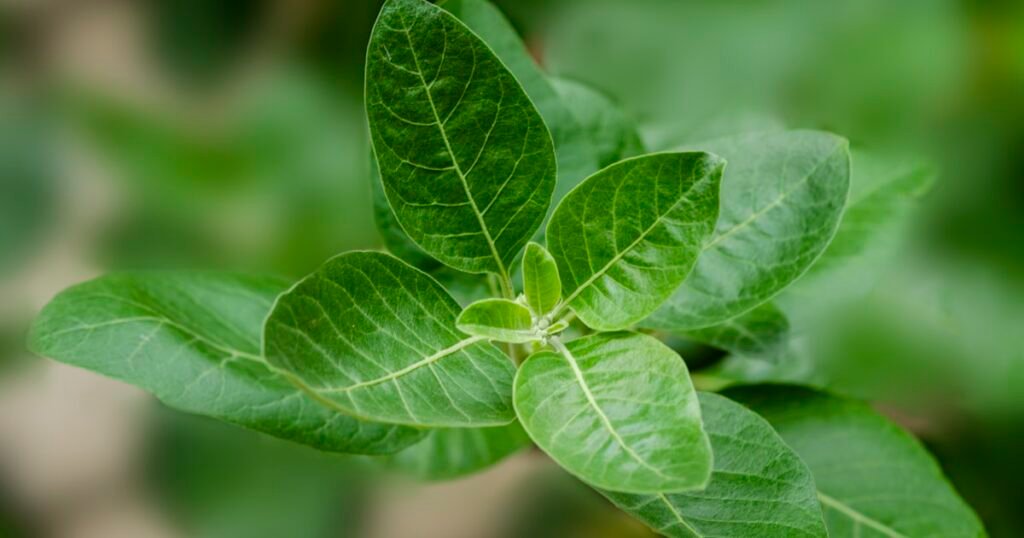
Ashwagandha (Withania somnifera), a shrub used in Ayurvedic medicine for more than 3,000 years, has become one of the most searched herbal supplements in the world. Once a niche traditional remedy, it now sits on pharmacy shelves alongside melatonin and magnesium, promoted for stress, sleep, athletic performance, and hormonal balance.
The wave of interest has been matched by a growing body of clinical research. So what does the evidence actually show — and where should the enthusiasm be tempered?
What Is Ashwagandha?
Ashwagandha is classified as an adaptogen, a term used for plants believed to help the body resist physical, chemical, and biological stressors. Its Sanskrit name roughly translates to “smell of the horse,” a nod both to its earthy odor and traditional claims of imparting stamina.
The active compounds most studied are withanolides, a group of naturally occurring steroidal lactones. Modern extracts are typically standardized to a specific withanolide percentage, and dosages in clinical trials generally range from 250 mg to 600 mg per day, according to research summarized by Healthline’s evidence review.
Stress and Cortisol: The Strongest Evidence
The most consistent findings involve stress and cortisol — the hormone released by the adrenal glands during the body’s fight-or-flight response.
An 8-week randomized trial found that adults taking 250–600 mg of a standardized extract reported significant reductions in perceived stress and lower morning cortisol levels compared with placebo. A separate 60-day study using 240 mg daily similarly reported meaningful reductions in anxiety scores.
A 2019 review published in Medicine (Baltimore) pooled results from multiple randomized trials and concluded that ashwagandha supplementation was associated with improvements in stress and anxiety outcomes across studies, though the authors called for larger, longer-duration trials.
The proposed mechanism involves modulation of the hypothalamic-pituitary-adrenal (HPA) axis, the network that governs the stress response. Rather than sedating the nervous system the way pharmaceutical anxiolytics do, adaptogens are thought to blunt cortisol spikes while leaving normal daily rhythms intact.
Sleep Quality
Sleep research on ashwagandha is younger but promising. A 12-week trial in adults aged 65–80 found that 600 mg daily produced significant improvements in sleep quality and morning alertness compared with placebo. A meta-analysis of five randomized studies, published in PLOS ONE, reported a small but statistically significant positive effect on overall sleep quality, with the largest benefits seen in adults with insomnia taking 600 mg or more for at least 8 weeks.
Researchers hypothesize that the sleep benefit may be indirect — driven largely by reduced anxiety and cortisol — rather than a direct sedative effect. That distinction matters because it means ashwagandha is unlikely to replace targeted treatments for clinical insomnia, but it may complement lifestyle changes for people whose sleep is disrupted by stress.
Exercise, Strength, and Testosterone
Interest from the fitness community has been fueled by trials suggesting improvements in strength, oxygen use, and hormonal markers in men.
- An 8-week resistance training study found that men taking 600 mg daily gained significantly more muscle strength and size than a placebo group performing the same program.
- A separate trial reported an 18% greater increase in DHEA-S and roughly 14.7% greater increase in testosterone in supplemented men versus placebo.
- A review of four studies concluded ashwagandha significantly increased sperm concentration, semen volume, and motility in men with low sperm counts.
These effects are modest but reproducible enough that a 2021 systematic review in the Journal of the International Society of Sports Nutrition concluded ashwagandha may support strength, recovery, and cardiorespiratory fitness in healthy adults, particularly at doses of 300–500 mg taken twice daily.
What the Research Does Not Yet Show
Despite growing enthusiasm, several important gaps remain:
Long-Term Safety Is Unknown
Most clinical trials last 8 to 12 weeks. There is limited data on continuous use beyond 3 months, and researchers have called for longer follow-up studies before making broad recommendations.
Product Quality Varies Widely
Because herbal supplements are not tightly regulated by the U.S. Food and Drug Administration, potency and purity can differ significantly between brands. Independent lab testing has occasionally found ashwagandha products containing heavy metal contaminants or withanolide concentrations far below label claims.
Rare But Serious Liver Concerns
The LiverTox database maintained by the National Institutes of Health has documented rare cases of ashwagandha-associated liver injury. While the incidence appears low, the reports are a reminder that “natural” does not equal risk-free.
Who Should Avoid It
Health authorities generally advise against ashwagandha use in several groups, including:
- People who are pregnant or breastfeeding
- Individuals with autoimmune conditions such as lupus, rheumatoid arthritis, or Hashimoto’s thyroiditis
- Those scheduled for surgery within two weeks
- People taking thyroid, sedative, immunosuppressant, or diabetes medications
Reported side effects at higher doses include gastrointestinal upset, drowsiness, diarrhea, and nausea.
How Researchers Have Used It
In published trials, participants have typically taken a standardized root extract, often taken with food to reduce stomach upset. Timing varied by goal — morning dosing for stress, evening dosing for sleep, or split doses for exercise performance. Any decision about supplementation, dose, or timing should be made with a qualified healthcare provider who knows a person’s medical history and medications.
The Bottom Line
Ashwagandha stands out among trendy supplements for having a real, if still evolving, evidence base. The strongest signals are for reducing perceived stress and cortisol, with emerging support for sleep quality, strength gains, and male reproductive markers. The weakest links are around long-term safety and product consistency.
Research suggests it may be a reasonable adjunct for otherwise healthy adults managing everyday stress — but it is not a substitute for treatment of anxiety disorders, insomnia, or hormonal conditions. As with any supplement, the best first step is a conversation with a healthcare provider who can weigh benefits against personal risks.
Disclosure: This content is for informational purposes only and is not medical advice. Always consult a qualified healthcare provider before making changes to your health regimen.