
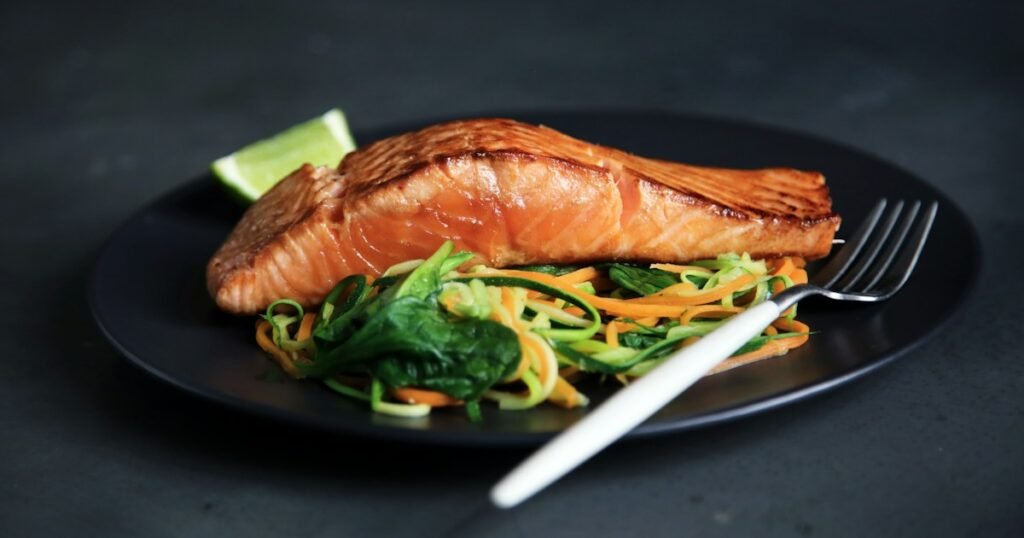
In the world of nutritional antioxidants, few compounds have attracted as much clinical interest in recent years as astaxanthin. Often described by researchers as the “king of carotenoids,” this vibrant red pigment gives wild salmon, krill, and flamingos their distinctive color. Unlike common antioxidants such as vitamin C, vitamin E, or beta-carotene, astaxanthin features a unique molecular architecture that allows it to interact with human cell membranes in a fundamentally different way.
As interest in cellular aging, preventive longevity, and metabolic resilience surges, investigators have moved beyond laboratory models to evaluate astaxanthin in randomized human trials. From shielding skin against ultraviolet photoaging to reducing digital eye fatigue and supporting cardiovascular markers, emerging evidence clarifies what this marine antioxidant can — and cannot — do for human health.
What Makes Astaxanthin Unique?
Astaxanthin is a keto-carotenoid synthesized primarily by the freshwater microalga Haematococcus pluvialis when exposed to environmental stress like intense sunlight or nutrient scarcity. When marine animals consume this algae, the compound concentrates in their tissues, providing biological defense against oxidative strain.
Biochemically, astaxanthin possesses polar ionone rings on both ends connected by an extended polyene chain. Research published in Marine Drugs shows this configuration allows the molecule to span the entire cellular lipid bilayer — anchoring simultaneously into both the hydrophilic outer membrane and the hydrophobic interior. This structure provides distinct advantages:
- Complete Membrane Protection: It neutralizes free radicals both on the surface and within cell interiors, protecting membrane lipids and mitochondrial DNA.
- No Pro-Oxidant Behavior: Unlike beta-carotene or lycopene, which can degrade into pro-oxidants under heavy oxidative stress, studies show astaxanthin maintains its antioxidant profile without promoting cellular damage.
- No Retinol Conversion: Astaxanthin does not convert to vitamin A, eliminating concerns regarding hypervitaminosis A at higher intakes.
Skin Health and UV Photoprotection
The dermatological effects of astaxanthin represent one of its most thoroughly investigated clinical uses. Sunlight-derived ultraviolet (UV) radiation triggers reactive oxygen species (ROS) in dermal tissue, breaking down collagen fibers and accelerating wrinkle formation.
In a double-blind, placebo-controlled trial published in the Journal of Clinical Biochemistry and Nutrition, researchers evaluated healthy participants taking 6 milligrams of oral astaxanthin daily for eight weeks. The astaxanthin cohort exhibited statistically significant improvements in skin wrinkle depth (crow’s feet), elasticity, and stratum corneum moisture content compared with placebo.
Further research in Nutrients confirmed that oral supplementation (4 to 6 mg daily) reduces trans-epidermal water loss and inhibits matrix metalloproteinases (MMP-1), enzymes that degrade structural collagen. While astaxanthin strengthens internal resistance to photo-oxidative stress, clinicians stress that it complements — but never replaces — topical broad-spectrum sunscreen.
Eye Fatigue and Visual Acuity
Daily screen time places significant strain on ocular muscles, leading to asthenopia — visual fatigue, stiffness, blurred vision, and dryness. Because astaxanthin crosses the blood-retinal barrier, ophthalmology researchers have tested its benefits in screen-heavy environments.
Clinical studies in Current Topics in Nutritive Research demonstrate that daily doses of 6 to 9 milligrams of natural astaxanthin significantly improved ciliary muscle accommodative function — the eye’s ability to transition focus between close screens and distant objects. By moderating local inflammatory cytokines and boosting retinal capillary blood flow (measured through laser Doppler flowmetry), the compound appears to help eyes recover more effectively from visual fatigue.
Cardiovascular and Metabolic Markers
Oxidative modification of circulating lipids is a recognized driver of arterial stiffening and atherosclerosis. Clinical trials examining astaxanthin’s influence on vascular dynamics have shown notable findings:
- HDL and Adiponectin Support: A randomized trial in Atherosclerosis found that 12 to 18 mg of daily astaxanthin over 12 weeks significantly increased high-density lipoprotein (HDL) cholesterol and serum adiponectin — a hormone favoring insulin sensitivity — while lowering triglycerides.
- Inhibition of LDL Oxidation: Research indicates astaxanthin integrates into circulating LDL particles, blunting the lipid peroxidation that initiates vascular inflammation.
- Endothelial Function: Vascular studies indicate astaxanthin supports nitric oxide bioavailability, encouraging healthy blood vessel dilation and arterial elasticity.
Exercise Recovery and Physical Performance
Intense physical training generates substantial oxidative byproducts, contributing to muscle soreness and delayed recovery. In nature, astaxanthin powers the upstream migration of wild salmon against heavy river currents.
In human athletic trials, astaxanthin supplementation (4 to 12 mg daily) has been associated with attenuated post-exercise lactic acid accumulation, reduced plasma markers of muscle damage, and enhanced fatty acid utilization during endurance exercise. While it cannot substitute for consistent training, research suggests it supports faster physiological recovery between strenuous workouts.
Brain Health and Cognitive Aging
The brain consumes high amounts of oxygen and contains abundant polyunsaturated lipids, making it vulnerable to oxidative stress. Because astaxanthin crosses the blood-brain barrier, scientists have studied its neuroprotective properties in older populations.
In a double-blind trial published in The Journal of Clinical Biochemistry and Nutrition, older adults experiencing mild memory concerns took natural astaxanthin (6 or 12 mg daily) or a placebo for 12 weeks. Participants taking astaxanthin showed significant improvements in reaction speed, divided attention tasks, and composite memory scores. Researchers observed decreases in red blood cell membrane hydroperoxides, suggesting improved microcirculatory oxygen delivery to neural tissue.
Dietary Sources vs. Supplements
In whole foods, astaxanthin is almost exclusively found in cold-water seafood:
- Wild Sockeye Salmon: The richest food source, delivering roughly 26 to 38 mg of astaxanthin per kilogram.
- Coho, Pink, and King Salmon: Supply approximately 5 to 15 mg per kilogram.
- Arctic Char, Trout, and Krill: Offer moderate amounts ranging from 3 to 10 mg per kilogram.
For individuals who do not eat wild salmon frequently, supplemental forms are widely available. Source quality is paramount: most human trials use natural extracts derived from Haematococcus pluvialis microalgae, which contain the esterified 3S,3’S stereoisomer. In contrast, synthetic astaxanthin produced from petroleum feedstocks is intended for aquaculture coloring, possesses differing isomer profiles, and lacks comparable safety and efficacy data in human trials.
Dosage, Absorption, and Safety
Published human studies commonly utilize 4 to 12 milligrams daily taken with a meal. Because astaxanthin is fat-soluble, pairing it with dietary fats — such as avocado, olive oil, nuts, or eggs — significantly enhances systemic absorption.
Major regulatory authorities, including the FDA and the European Food Safety Authority (EFSA), recognize natural algal astaxanthin as safe at typical supplemental intakes. Adverse effects are rare; extremely high intakes (above 20 mg daily) may cause a harmless reddish stool tint. Those taking blood thinners, blood-pressure medications, or receiving medical therapies should consult their healthcare provider prior to supplementation.
The Bottom Line
Astaxanthin stands out as an evidence-supported carotenoid with meaningful benefits for skin resilience, visual fatigue, and cellular oxidative balance. While not a cure-all, consistent evidence highlights its role in supporting cellular defense systems.
Prioritizing wild-caught salmon in your diet offers an excellent natural intake. If exploring supplements, select natural microalgal formulations, take them with meals containing healthy fats, and consult your physician or registered dietitian to tailor use to your personal health needs.
Disclosure: This content is for informational purposes only and is not medical advice. Always consult a qualified healthcare provider before making changes to your health regimen.