
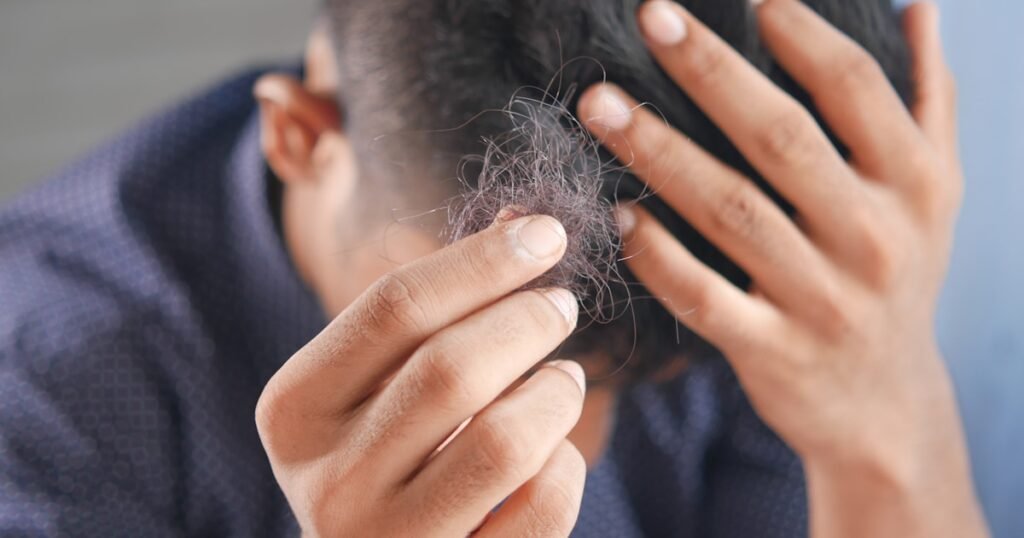
As GLP-1 receptor agonists like semaglutide (Ozempic, Wegovy) and tirzepatide (Mounjaro, Zepbound) have moved from diabetes clinics into mainstream weight-loss care, a familiar side-effect complaint has surfaced in dermatology offices: patients noticing extra hair in the shower drain a few months after starting therapy. Recent studies now suggest the association is real, if usually temporary, and closely tied to how quickly the number on the scale is falling.
What the recent research says
A 2025 disproportionality analysis published in the Journal of the European Academy of Dermatology and Venereology examined FDA Adverse Event Reporting System data from 2022 to 2023 and found that alopecia was reported significantly more often among people taking semaglutide and tirzepatide than would be expected based on other drug reports in the database. A 2026 TriNetX cohort study in the Journal of the American Academy of Dermatology looked at electronic health records of adults newly prescribed these drugs and observed an elevated risk of new-onset hair loss compared with matched controls not taking the medications.
A 2026 systematic review in Science Progress by Gupta and colleagues pooled the available data and reached a nuanced conclusion: the risk appears dose-dependent, and weekly semaglutide doses under 2 mg were rarely implicated. A separate 2025 review in Cureus identified telogen effluvium and androgenetic alopecia as the two most frequent patterns reported.
Why weight-loss drugs can trigger shedding
Dermatologists have long recognized that any physiological stress — a high fever, surgery, childbirth, crash dieting, thyroid changes — can push a large share of scalp hair follicles from their active growth phase into a resting phase. Two to four months later, those resting hairs shed all at once, producing the diffuse thinning known as telogen effluvium. The American Academy of Dermatology notes that this pattern is typically self-limited and reverses within six to nine months once the trigger resolves.
Rapid weight loss is a classic trigger. Clinical trials of semaglutide 2.4 mg (Wegovy) reported roughly 15 percent average body-weight loss over 68 weeks, and tirzepatide 15 mg (Zepbound) produced average losses above 20 percent in the SURMOUNT-1 trial published in The New England Journal of Medicine. Losing that much mass in under a year mirrors the kind of caloric deficit that historically follows bariatric surgery, where telogen effluvium is well documented.
Reduced calorie intake can also mean lower intake of the raw materials hair needs. Iron, zinc, vitamin D, biotin, and adequate protein all support the follicle cycle, and appetite-suppressing drugs can make it easy to fall short without noticing.
How common is it?
The phase 3 STEP 1 trial of semaglutide 2.4 mg for weight management, published in The New England Journal of Medicine in 2021, reported alopecia in about 3 percent of participants on the drug versus roughly 1 percent on placebo. The SURMOUNT-1 trial of tirzepatide reported hair loss in about 5 percent of participants at the highest dose, again higher than placebo. Real-world reporting rates in the FDA database have been higher, though those numbers reflect voluntary reports and cannot be interpreted as true incidence.
Women appear to report the side effect more often than men in the published analyses, which fits the broader pattern of who seeks care for hair changes.
Is it reversible?
Research suggests the shedding is usually temporary. In telogen effluvium, the follicles themselves are not destroyed — they are paused. Once the underlying stressor resolves and nutritional status stabilizes, most people see regrowth over the following six to nine months, according to guidance from the American Academy of Dermatology. Case reports in dermatology journals describe the same pattern in GLP-1 users: shedding beginning two to four months after starting or escalating the dose, and thickness returning as weight loss plateaus.
A minority of patients may have an underlying pattern of androgenetic (genetic) hair loss that the acute shedding unmasks. In that case regrowth may be less complete without additional treatment.
Practical steps supported by evidence
Track the pace of weight loss
Most obesity-medicine guidelines suggest a gradual pace — often around 1 to 2 pounds per week after the initial adjustment — is easier on the body than aggressive drops. If the scale is falling faster than that on a GLP-1 drug, clinicians sometimes discuss dose adjustments with patients.
Protect protein and micronutrient intake
Studies indicate that many people on GLP-1 therapy under-consume protein because appetite is suppressed. Dietitians often target roughly 0.6 to 0.8 grams of protein per pound of goal body weight, spread across the day, and encourage foods rich in iron (lean meats, legumes, fortified grains), zinc (seeds, seafood), and vitamin D (fatty fish, fortified dairy). A basic panel — ferritin, vitamin D, thyroid function, vitamin B12 — can identify correctable deficiencies before assuming the drug is the sole culprit.
Rule out other causes
Thyroid disease, postpartum shifts, iron-deficiency anemia, certain medications, and recent illness can all cause telogen effluvium independently. A brief evaluation with a healthcare provider or dermatologist can help sort out overlapping contributors.
Give the follicle cycle time
Because the hair growth cycle is measured in months, visible improvement typically lags nutritional or dose changes by a full season. Over-the-counter topical minoxidil is used off-label by some clinicians for stubborn shedding, but that is a conversation for a dermatologist rather than a self-directed decision.
Should hair loss change the decision to use a GLP-1?
For people using these medications to manage type 2 diabetes or obesity-related cardiovascular and metabolic risk, the documented benefits — meaningful weight loss, improved blood sugar, and, in the SELECT trial published in The New England Journal of Medicine in 2023, a 20 percent reduction in major adverse cardiovascular events for semaglutide users with established heart disease — are substantial. Reversible shedding is one factor in the risk-benefit conversation, not typically a stopping point.
Still, hair changes are a legitimate concern that deserves discussion, not dismissal. Patients experiencing significant or prolonged shedding should raise it with the prescribing clinician rather than adjusting dose on their own, and consider a dermatology referral if regrowth has not begun within nine months of stabilizing weight.
Disclosure: This content is for informational purposes only and is not medical advice. Always consult a qualified healthcare provider before making changes to your health regimen.