
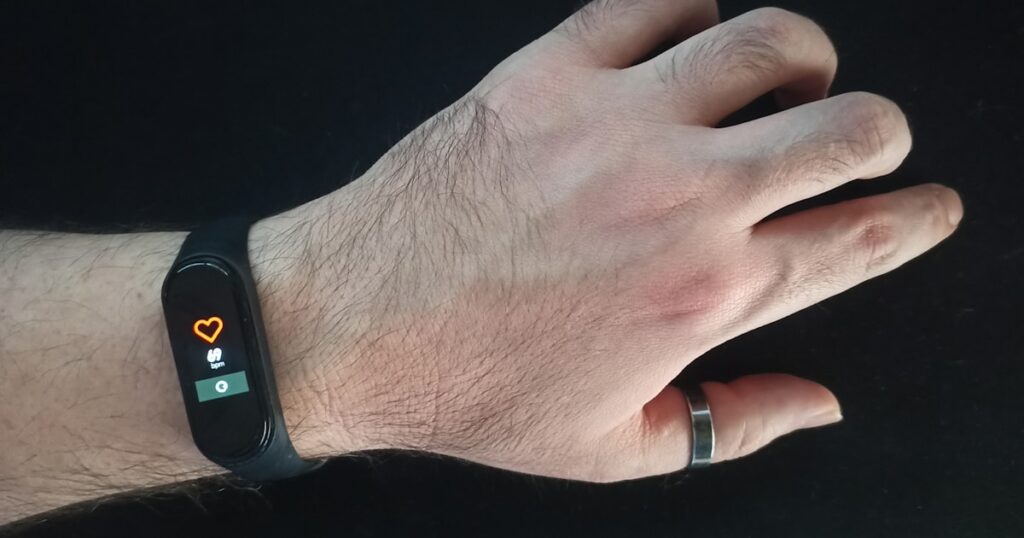
Your heart does not beat like a metronome. Even at rest, the gap between
one beat and the next varies by milliseconds. That small fluctuation —
heart rate variability, or HRV — has quietly become one of
the most studied biomarkers in modern preventive health, and a daily readout
on every major fitness wearable.
Research suggests HRV reflects how well the autonomic nervous system is
balancing the body’s stress and recovery systems, and that consistently low
HRV is linked with poorer cardiovascular outcomes, slower recovery from
exercise, and worse sleep. Here is what the science actually shows, and
which habits the evidence supports.
What HRV measures
HRV is the variation in time between consecutive heartbeats, measured in
milliseconds. It is controlled primarily by the autonomic nervous
system, which has two opposing branches: the sympathetic (“fight or
flight”) and the parasympathetic (“rest and digest”). The parasympathetic
branch operates largely through the vagus nerve, and stronger vagal tone is
generally associated with higher HRV.
When the body is relaxed and recovered, the heart speeds up slightly on
inhalation and slows on exhalation, a phenomenon called respiratory sinus
arrhythmia. The result is a healthy, variable rhythm. When the body is under
stress, ill, sleep-deprived, or overtrained, those tiny gaps become more
uniform — variability drops.
The most common HRV metrics
- RMSSD (root mean square of successive differences) —
the metric most fitness wearables report. It primarily reflects
parasympathetic activity. - SDNN — the standard deviation of beat-to-beat
intervals, often measured over 24 hours in clinical settings. - HF and LF power — frequency-domain measures used in
research to separate parasympathetic from broader autonomic activity.
Why HRV matters for long-term health
Large cohort studies have linked lower HRV with elevated risk of
cardiovascular events and all-cause mortality. A frequently cited analysis
published in the European Heart Journal found that reduced HRV was
an independent predictor of cardiac events in patients after myocardial
infarction, and subsequent reviews in Frontiers in Public Health
have extended that association to apparently healthy adults.
HRV also appears to track recovery and readiness in athletes. A
systematic review in Sports Medicine reported that daily morning
HRV trends can flag overtraining and inadequate recovery earlier than
self-reported fatigue, which is why elite training programs increasingly use
HRV-guided periodization.
On the mental health side, studies indicate that depression, chronic
stress, and post-traumatic stress disorder are associated with lower resting
HRV, while interventions that improve mood and resilience — such as
mindfulness, structured exercise, and cognitive behavioral therapy — tend to
raise it.
What lowers HRV
- Poor or shortened sleep. Even a single night of
restricted sleep can suppress overnight HRV the following day. - Alcohol. Wearable data and controlled studies
consistently show that evening alcohol blunts HRV through the night,
often for 24 hours or more. - Acute or chronic stress. Psychological stress shifts
autonomic balance toward sympathetic dominance, lowering HRV. - Illness and inflammation. HRV often drops a day or
two before symptoms of infection appear, which is why many wearables now
use it as an early “strain” or illness signal. - Aging. Average HRV declines with age, although
physical fitness can substantially offset that trend.
Habits research links to higher HRV
Aerobic and zone-2 exercise
Regular moderate-intensity aerobic training is one of the most
consistently effective ways to raise resting HRV. A meta-analysis in
Frontiers in Physiology reported significant HRV improvements in
adults who engaged in structured endurance exercise over 8–16 weeks. Mixing
in lower-intensity “zone 2” sessions appears especially helpful for building
the parasympathetic base.
Slow, paced breathing
Breathing at around six breaths per minute — sometimes called resonance
frequency breathing — can sharply increase HRV during the session itself.
Studies on HRV biofeedback in journals such as Applied Psychophysiology
and Biofeedback have shown improvements in stress, blood pressure, and
anxiety symptoms across multiple weeks of practice.
Consistent sleep and a stable schedule
HRV is highly sleep-sensitive. Research indicates that going to bed and
waking up at consistent times, protecting 7–9 hours of sleep, and limiting
late evening light and caffeine all tend to raise overnight HRV. Sleep apnea,
on the other hand, can markedly suppress it, and treating apnea often lifts
HRV measurably.
Mindfulness and meditation
Randomized trials suggest that mindfulness-based stress reduction, loving-
kindness meditation, and yoga (especially styles that emphasize long exhales
and slow breathing) increase HRV over weeks of regular practice, in parallel
with reductions in perceived stress.
Limiting alcohol
Wearable population data and controlled crossover studies both indicate
that reducing alcohol — particularly in the three hours before bed — is one
of the fastest ways to see resting HRV rise.
Heat and cold exposure
Sauna use and brief cold exposure have both been studied for autonomic
effects. Evidence is still emerging, but some trials report improvements in
HRV markers with regular sauna bathing and short, well-tolerated cold
showers, likely through vagal stimulation and improved vascular function.
How to use HRV without overreacting to it
Single-day HRV readings vary a lot. What researchers focus on is the
trend over weeks and how a person responds to lifestyle changes,
not any one number. Several practical principles emerge from the literature:
- Compare yourself to yourself. Healthy HRV ranges differ
dramatically by age, fitness, and genetics, so cross-person comparisons
are largely unhelpful. - Measure at the same time and in the same posture each day — most
wearables now do this automatically during sleep. - Look at 7-day rolling averages rather than chasing day-to-day spikes
and dips. - Pair HRV with how you actually feel: energy, mood, sleep quality, and
perceived exertion still matter.
When HRV deserves a clinician’s attention
A persistently low HRV combined with symptoms such as unexplained
fatigue, palpitations, dizziness, exercise intolerance, or significant sleep
disturbance is worth discussing with a clinician. HRV alone does not
diagnose disease, but it can be one useful signal in the context of a
broader cardiovascular, metabolic, or sleep evaluation. Anyone with a known
heart rhythm disorder, recent cardiac event, or autonomic condition should
interpret consumer wearable HRV data with a healthcare professional rather
than in isolation.
The bottom line
HRV is not a perfect score, but it is one of the few widely available
windows into how the nervous system is coping with daily life. The habits
the research supports are familiar — train aerobically, sleep regularly,
breathe slowly, drink less, manage stress — but HRV gives an objective way
to see them working. Used as a trend rather than a verdict, it can help turn
vague wellness goals into something you can actually measure.
Disclosure: This content is for informational purposes only and is
not medical advice. Always consult a qualified healthcare provider before
making changes to your health regimen.