

Microplastics in the Human Body: What Science Shows
Microplastics now appear in human brains, blood, and arteries. Here’s what new research reveals about health risks and exposure.
Microplastics in the Human Body: What Science Shows Read More »
Microplastics now appear in human brains, blood, and arteries. Here’s what new research reveals about health risks and exposure.
Microplastics in the Human Body: What Science Shows Read More »
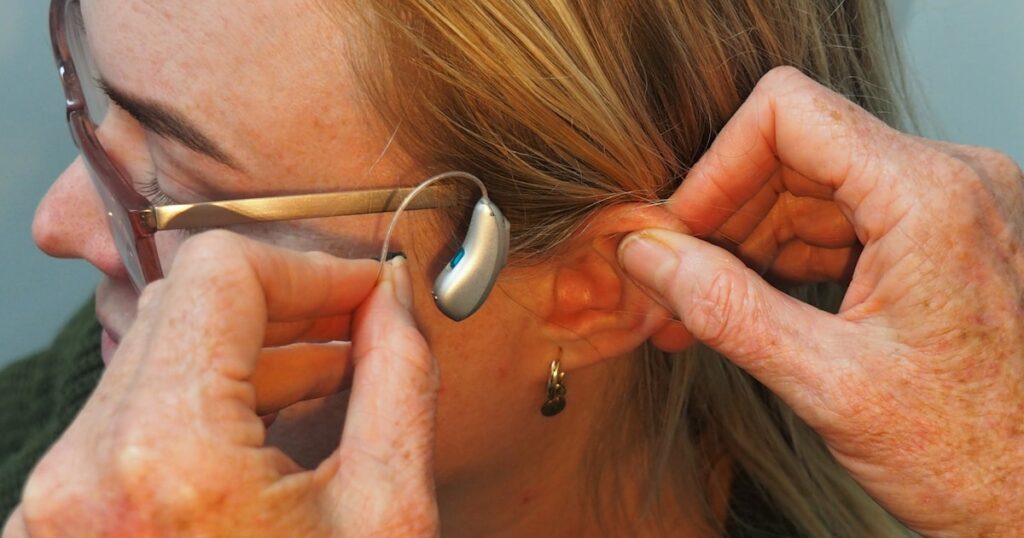
Research identifies hearing loss as the largest modifiable risk factor for dementia. New trials show hearing aids may slow cognitive decline.
Hearing Loss and Dementia: The Largest Modifiable Risk Read More »

A personalized mRNA cancer vaccine paired with Keytruda cut melanoma recurrence and death risk by 49% over 5 years, new trial data shows.
mRNA Cancer Vaccine Cuts Melanoma Recurrence by 49% Read More »

GLP-1 drugs like Ozempic cause up to 40% of weight loss to come from lean mass. Here’s what research says about protecting muscle and bone.
GLP-1 Muscle Loss: How to Protect Lean Mass Read More »

Apigenin, found in chamomile and parsley, is drawing research attention for calming sleep, raising NAD+, and supporting healthy aging.
Apigenin: The Chamomile Compound for Sleep and Longevity Read More »
New research suggests creatine may boost memory, sharpen cognition, and protect the aging brain — not just build muscle. Here’s what the science says.
Creatine for the Brain: What the Science Now Shows Read More »
New research suggests blood tests in your 50s and 60s can flag Alzheimer’s biomarkers decades before memory symptoms appear.
Midlife Blood Tests May Spot Alzheimer’s Years Early Read More »

Research suggests exercise can ease depression as effectively as some therapies. Here’s what science reveals about dose, type, and why it works.
Exercise for Depression: How Movement Eases Symptoms Read More »

Women with ADHD are often diagnosed years after men. Here’s what research reveals about masked symptoms, hormones, and getting help.
Why ADHD in Women Is Often Diagnosed Decades Late Read More »

New research finds switching to a healthy diet may reverse some cognitive damage from high-fat eating, but high-sugar harm appears more persistent.
Can Diet Reverse Brain Damage? Sugar Is the Catch Read More »