
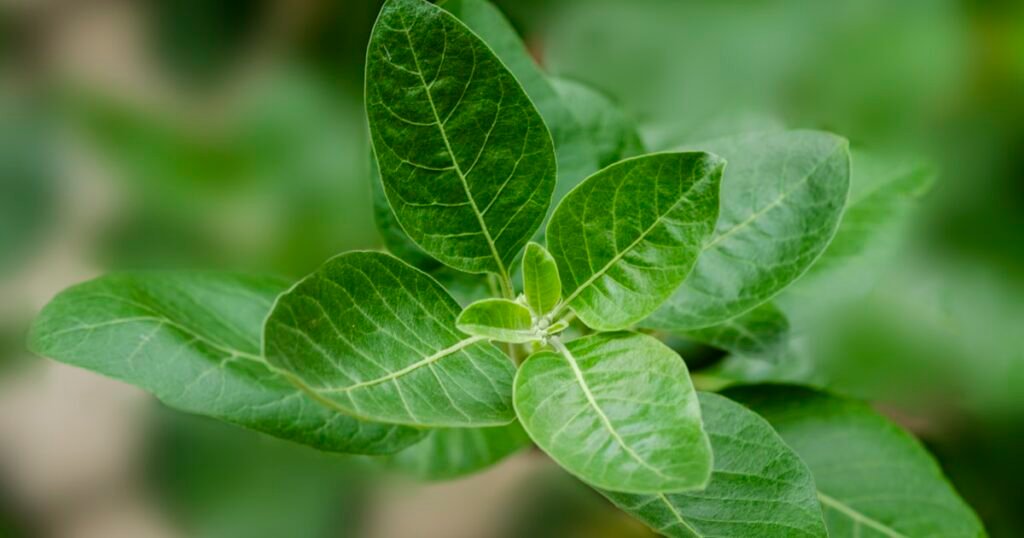
Ashwagandha (Withania somnifera) has moved from Ayurvedic apothecaries into mainstream supplement aisles, with U.S. sales climbing sharply as consumers look for natural ways to manage stress and sleep. Once used mainly in traditional Indian medicine, the root is now among the most-studied adaptogens in modern clinical research. But what does the science actually say?
Here is a look at what recent randomized trials and meta-analyses have found about ashwagandha’s effects on cortisol, perceived stress, anxiety, and sleep quality — and what to keep in mind before considering it.
What Is Ashwagandha?
Ashwagandha is a small evergreen shrub native to India, the Middle East, and parts of Africa. Its Sanskrit name loosely translates to “smell of the horse,” a reference both to its aroma and the traditional belief that it confers the strength of a stallion. In Ayurveda, it is classified as a rasayana — a rejuvenating herb — and has been used for more than 3,000 years to support vitality, resilience, and restful sleep, according to a review published in the African Journal of Traditional, Complementary and Alternative Medicines.
The active compounds most often credited for its effects are a family of steroidal lactones called withanolides. Standardized extracts sold today are typically labeled with a withanolide percentage (commonly 1.5% to 5%), which helps compare products across studies.
Ashwagandha and Stress: What the Trials Show
Ashwagandha is best known as an adaptogen — a plant compound thought to help the body regulate its response to physical and psychological stressors. Multiple randomized controlled trials have examined this claim.
A 2019 double-blind trial by Salve and colleagues, published in Cureus, gave 60 stressed but otherwise healthy adults either 250 mg or 600 mg of a root extract daily, or a placebo, for eight weeks. Compared with placebo, both ashwagandha groups showed statistically significant reductions in Perceived Stress Scale scores and in morning serum cortisol, with the 600 mg dose producing the largest effect.
A 2022 systematic review in the Journal of Herbal Medicine pooled data from 12 randomized trials and concluded that ashwagandha supplementation was associated with meaningful reductions in anxiety and stress measures when compared with placebo, though effect sizes varied by dose, duration, and the specific extract used.
More recent work has looked at real-world groups. A 2022 trial in college students found improvements in perceived stress and well-being scores after 30 days of supplementation, while a 2025 randomized study by Mahadevan and colleagues reported that a newer standardized formulation was associated with improvements in stress, mood, and sleep quality over an eight-week window.
Sleep Quality and Ashwagandha
Sleep is the second major area where ashwagandha has attracted research attention. A 2021 meta-analysis published in PLOS One analyzed five randomized controlled trials with a combined 400 participants and found a small but statistically significant improvement in overall sleep quality with ashwagandha supplementation. Benefits appeared strongest in adults with a diagnosed sleep disturbance, at doses of at least 600 mg per day, and with treatment durations of eight weeks or longer.
Measured outcomes commonly included:
- Sleep onset latency — the time it takes to fall asleep
- Total sleep time — how many hours were slept
- Sleep efficiency — the percentage of time in bed actually spent asleep
- Pittsburgh Sleep Quality Index (PSQI) scores — a validated self-report measure
Not every trial has been positive. Some studies in younger, healthier adults found no significant sleep benefit compared with placebo, suggesting that people with existing insomnia or high stress may be the most likely to notice a difference.
How Ashwagandha Is Thought to Work
The proposed mechanism centers on the hypothalamic-pituitary-adrenal (HPA) axis — the body’s central stress-response system. Research suggests that withanolides may help modulate cortisol release, support GABA signaling in the brain, and reduce markers of inflammation and oxidative stress. A 2023 review in Nutrients noted that ashwagandha appears to act on multiple pathways at once, which may explain its broad range of reported effects on mood, energy, and sleep.
Common Forms and Dosages Used in Studies
Clinical trials have used several standardized extracts, including KSM-66 and Shoden, typically dosed as follows:
- Stress and anxiety: 300–600 mg of root extract per day, split into one or two doses, for at least eight weeks
- Sleep quality: 300–600 mg per day, often taken in the evening
- General adaptogenic support: 250–500 mg per day
Ashwagandha is sold as capsules, powders, tinctures, and ready-to-drink beverages. Product quality varies widely; independent testing groups have flagged contamination and mislabeling as ongoing concerns in the supplement market, so third-party certifications (such as NSF or USP) are worth looking for.
Safety and Who Should Be Cautious
Most short-term trials report ashwagandha to be well tolerated, with mild side effects such as drowsiness, digestive upset, or headache being the most common. However, there are populations for whom caution is warranted:
- Pregnancy and breastfeeding: Ashwagandha has traditionally been avoided in pregnancy, and current guidance from the National Institutes of Health notes insufficient safety data.
- Thyroid conditions: The herb may raise thyroid hormone levels and could interact with thyroid medications.
- Autoimmune disease: Because ashwagandha may stimulate the immune system, people with autoimmune conditions should discuss use with their clinician.
- Liver concerns: Rare cases of liver injury have been reported and reviewed in the NIH’s LiverTox database; anyone with existing liver disease should be cautious.
- Sedatives, thyroid, and blood pressure medications: Potential interactions have been described in pharmacology reviews.
Anyone taking prescription medications or managing a chronic condition should consult a healthcare provider before starting ashwagandha or any supplement.
The Bottom Line
Ashwagandha is one of the better-studied herbal supplements for stress and sleep, and recent randomized trials suggest it may modestly lower cortisol, reduce perceived stress, and improve sleep quality — particularly in adults dealing with high stress or disturbed sleep. Effects are generally not dramatic, and results depend on the extract, dose, and duration used.
Ashwagandha is not a substitute for evidence-based treatments for anxiety disorders or clinical insomnia, and it is not appropriate for everyone. As with any supplement, it works best as part of a broader approach that includes consistent sleep habits, stress-management practices, physical activity, and professional care when needed.
Disclosure: This content is for informational purposes only and is not medical advice. Always consult a qualified healthcare provider before making changes to your health regimen.