
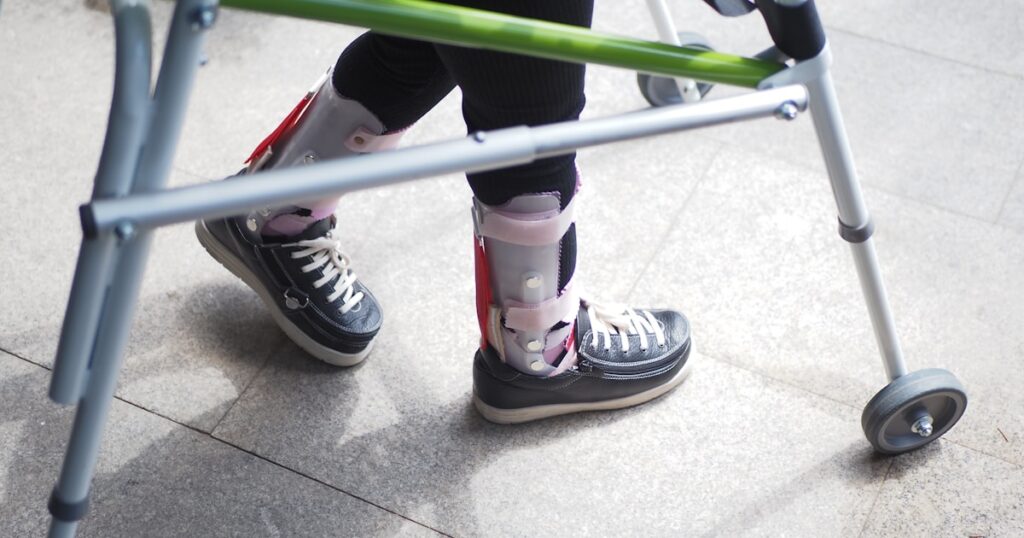
After major surgery, the instinct to rest completely is natural — and understandable. But a landmark study published in the Journal of the American College of Surgeons offers compelling evidence that getting up and walking sooner, even in small increments, may dramatically improve recovery outcomes. The findings are reshaping how clinicians think about post-operative care.
The Research: What the Data Revealed
Researchers analyzed wearable device data from 1,965 adults enrolled in the All of Us Research Program, a large NIH-funded initiative collecting health information from diverse U.S. populations. All participants had undergone inpatient surgery, and their recovery was tracked using step-counting wearables over the post-operative period.
The results were striking. For every additional 1,000 steps taken per day during recovery:
- Post-surgical complications fell by 18%
- The likelihood of hospital readmission dropped by 16%
- Hospital length of stay decreased by 6%
Perhaps most significantly, daily step count emerged as a stronger predictor of recovery success than heart rate variability or self-reported wellness — two metrics clinicians have traditionally relied on. The association held across a wide range of surgical procedures and patient profiles.
Why Movement Is Medicine After Surgery
The body undergoes significant physiological stress during any surgical procedure. Anesthesia, immobility, the inflammatory response to tissue trauma, and the fluid shifts that accompany surgery all conspire to weaken muscles, impair lung function, and slow circulation. This is why prolonged bed rest after surgery — once considered standard care — has largely been abandoned in modern surgical practice.
According to the study’s senior researcher, step counts serve two distinct roles in recovery. First, they act as a marker of how well recovery is progressing: patients who are genuinely recovering move more. Second, and critically, movement itself becomes an active driver of healing.
Here’s what the science shows about why walking helps:
Lung Function and Pneumonia Prevention
Research suggests that early ambulation encourages deeper breathing and helps clear pulmonary secretions, significantly lowering the risk of post-operative pneumonia — one of the most common and dangerous surgical complications. Lying still allows fluid and mucus to pool in the lungs, creating conditions where bacteria can flourish.
Blood Clot Prevention
Studies indicate that immobility after surgery dramatically increases the risk of deep vein thrombosis (DVT) — blood clots that form in the leg veins and can travel to the lungs. Walking stimulates the calf muscle pump, which returns blood to the heart and reduces dangerous pooling in the lower extremities.
Muscle Preservation
Muscle atrophy can begin within 24 to 48 hours of immobility. For older adults, who already face a condition called sarcopenia (age-related muscle loss), extended bed rest can lead to functional decline that outlasts the surgery itself. Even gentle walking helps preserve muscle mass and neuromuscular function during a vulnerable period.
Reduced Inflammation
Moderate physical activity has been shown to promote anti-inflammatory signaling in the body. By keeping the body moving, patients may help modulate the inflammatory response that, if unchecked, can prolong healing and contribute to complications.
Personalized Goals: One Size Does Not Fit All
One of the study’s most clinically important takeaways is that recovery goals should be tailored to the individual. Rather than applying a universal step target, researchers recommend comparing each patient’s post-surgery activity to their own pre-surgical baseline.
This matters because a 65-year-old who walks 2,000 steps on a normal day has a very different starting point than a 40-year-old who typically walks 8,000. A meaningful decline from either person’s norm may signal a problem — even if the absolute number looks acceptable by generic standards.
Supporting research published in Surgical Endoscopy identified an inability to reach 50% of baseline step counts by 28 days post-surgery as a reliable marker of delayed functional recovery, warranting closer follow-up. Meanwhile, a study in the Journal of Surgical Research found that caregiver-reported activity levels frequently diverged from what wearables actually measured — suggesting objective data is more reliable than subjective observation.
The Role of Wearable Technology in Modern Surgical Recovery
The study’s use of wearable-generated data reflects a broader transformation underway in post-surgical care. Smartwatches, fitness trackers, and clinical-grade wearables now allow clinicians to monitor recovery in near real-time, both inside and outside the hospital.
This matters for discharge planning. Patients whose step counts show consistent improvement may be candidates for earlier discharge, reducing costs and the risk of hospital-acquired infections. Conversely, those who show an unexpected plateau or drop in daily steps may need additional evaluation before leaving the hospital.
Researchers emphasize that wearables are decision-support tools, not replacements for clinical judgment. A drop in steps provides important context — but a physician still needs to determine the cause.
What This Means for Patients and Caregivers
For patients preparing for or recovering from surgery, the core message is empowering: movement, even gentle and incremental, matters. Many surgical teams now encourage patients to begin walking — with appropriate clearance — within the first post-operative day, even if only a few steps at a time.
Specific guidance varies by procedure. Orthopedic surgeries, abdominal operations, and cardiac procedures each come with different restrictions and protocols. Always follow the mobilization guidance provided by your surgical and nursing team, who can set goals appropriate to your specific situation and health status.
For family members and caregivers, research suggests a practical role: encourage gentle movement, assist with walking when needed, and alert medical staff if a loved one seems notably less active than in previous days. A sudden drop in mobility can be an early signal of a complication — pain, infection, or dehydration — that’s easier to address when caught early.
The Bottom Line
Movement is medicine. The growing body of research on post-surgical recovery is delivering a consistent message: early, personalized mobilization is one of the most powerful tools available for reducing complications, shortening hospital stays, and returning to everyday life faster. Every step genuinely counts — and the data now shows exactly how much.
If you or a loved one is approaching surgery, consult your healthcare provider about what post-operative mobility looks like for your specific procedure. Asking your surgical team about early ambulation goals is a simple, evidence-backed step toward a smoother recovery.
Disclosure: This content is for informational purposes only and is not medical advice. Always consult a qualified healthcare provider before making changes to your health regimen.