
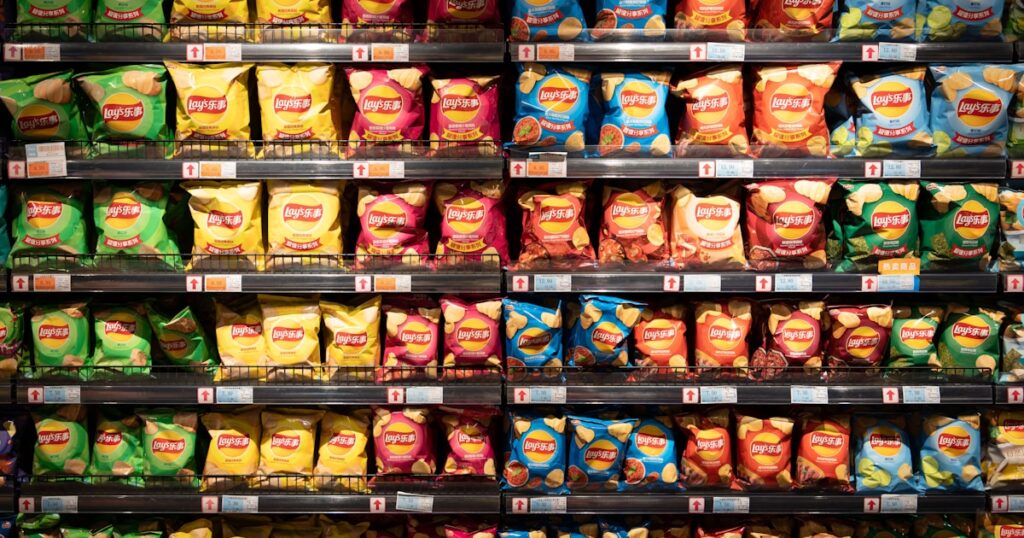
Most discussions of ultra-processed foods (UPFs) center on weight gain, heart disease, and type 2 diabetes. A growing body of research suggests we should add another concern to that list: how clearly we think. New data published in 2026 indicates that adults who eat more ultra-processed foods score lower on attention tests and carry a higher overall risk of dementia, even when the rest of their diet looks reasonably healthy.
What the new research found
A 2026 analysis published in Alzheimer’s & Dementia: Diagnosis, Assessment & Disease Monitoring followed 2,192 dementia-free Australian adults between the ages of 40 and 70. The researchers used the Nova food classification system to categorize each participant’s diet by level of processing, then linked those eating patterns to validated cognitive and dementia-risk measures.
The results were modest in magnitude but consistent in direction. Every 10% increase in the proportion of calories coming from ultra-processed foods was associated with a lower attention score and a higher composite dementia-risk score. Crucially, the relationship held up even after adjusting for adherence to a Mediterranean-style diet, suggesting that swapping in some whole foods does not fully offset what comes along with the ultra-processed ones.
Why “independent of diet quality” matters
This independence is the most provocative finding. Traditional nutrition advice has emphasized eating more vegetables, legumes, fish, and whole grains. The new data implies that what you add to the plate matters, but so does what you keep on it. A person who eats salad with grilled salmon for lunch but reaches for packaged cookies, flavored breakfast cereals, and processed lunch meats the rest of the day may not fully cancel out the cognitive cost of those ultra-processed items.
The Cardoso et al. findings line up with a 2025 review in Nutrients led by Lehoczki and colleagues, which examined mechanisms connecting Western-style eating patterns to cognitive impairment, neurovascular aging, and increased risk of mild cognitive impairment in midlife adults.
How processing may change food’s effect on the brain
Researchers propose several overlapping pathways that could explain why heavily processed foods appear to affect cognition independently of overall calorie or nutrient intake:
- Chronic low-grade inflammation. Ultra-processed foods tend to be calorie-dense and low in fiber and polyphenols, an eating pattern repeatedly linked to elevated inflammatory markers. Chronic neuroinflammation is a recognized contributor to Alzheimer’s pathology.
- Vascular and metabolic strain. Refined carbohydrates, added sugars, and high sodium loads stress blood vessels and glucose regulation. The same mechanisms that drive cardiovascular disease can reduce blood flow and oxygen delivery to brain tissue.
- Gut microbiome disruption. Industrial emulsifiers, certain artificial sweeteners, and a near-absence of fermentable fiber can shift gut bacterial communities. Emerging gut-brain research suggests these shifts influence neurotransmitter signaling and systemic inflammation.
- Displaced micronutrients. When ultra-processed items dominate, they often crowd out foods naturally rich in omega-3 fats, B vitamins, magnesium, choline, and polyphenols, nutrients tied to brain structure and function.
None of these mechanisms acts alone, and researchers caution that observational studies cannot prove causation. They can, however, identify patterns worth taking seriously, particularly when they replicate across populations.
What actually counts as “ultra-processed”?
The Nova classification, used widely in nutrition research and by the United Nations Food and Agriculture Organization, sorts foods into four groups. Ultra-processed foods (group 4) are industrial formulations made mostly or entirely from substances derived from foods plus additives, with little intact whole food remaining. Common examples include:
- Packaged snacks, chips, and many crackers
- Most breakfast cereals, instant oatmeal flavor packets, and “energy” bars
- Sugar-sweetened beverages, flavored milks, and many plant-milk creamers
- Industrial breads with multiple additives, packaged cakes, pastries
- Reconstituted meats such as hot dogs, nuggets, and many deli meats
- Ready-to-heat frozen meals and instant noodles
- Mass-produced ice cream and many dairy-style desserts
By contrast, minimally processed foods (group 1) include fresh or frozen produce, plain yogurt, eggs, nuts, beans, whole grains, and fish or poultry without industrial additives. Group 2 covers culinary ingredients like olive oil, vinegar, and salt, while group 3 covers traditionally processed items such as canned beans, plain whole-grain bread, or cheese made with conventional ingredients.
Not every package is ultra-processed
The Nova system focuses on the type of processing rather than convenience. Plain frozen berries, canned wild salmon, and unsweetened Greek yogurt are not classified as ultra-processed, even though they come in packages.
Practical ways to dial down UPF intake
Researchers studying real-world diets emphasize sustainable changes over perfection. Several evidence-based strategies appear in nutrition literature:
- Anchor meals around whole-food proteins and produce. When the plate starts with eggs, fish, beans, tofu, poultry, plus vegetables and fruit, ultra-processed items naturally shrink to a smaller role.
- Audit the “in-between” foods. Many people underestimate snacks, drinks, and condiments. Studies indicate that beverages and packaged snacks contribute a disproportionate share of UPF calories.
- Read ingredient lists, not just front-of-package claims. Long lists with unfamiliar additives, multiple sweeteners, and isolated fibers or proteins often signal ultra-processing.
- Cook in batches. Cooked grains, roasted vegetables, and simple proteins prepared on a single weekend afternoon can replace several weekday convenience items.
- Crowd out, do not eliminate. Behavioral research suggests adding more whole foods is often easier to sustain than vowing to remove favorites entirely.
How this fits into broader brain-health guidance
The new findings reinforce, rather than overturn, existing dementia-prevention frameworks. The 2024 Lancet Commission on dementia prevention identified 14 modifiable risk factors, including hypertension, hearing loss, physical inactivity, and social isolation. Diet quality interacts with several of those factors: blood pressure, blood sugar regulation, and cardiovascular fitness all respond to what we routinely eat.
Studies indicate that combining a less-processed diet with regular aerobic activity, adequate sleep, social engagement, and management of conditions like hypertension and hearing loss yields the strongest reductions in long-term dementia risk. Cognitive benefits from any single intervention tend to be small; benefits from combined lifestyle changes tend to be larger and more durable.
The bottom line
The latest research adds attention and memory to the list of outcomes associated with ultra-processed food intake. The effects per percentage point look small, but the average ultra-processed share of calories in many high-income countries hovers between 40% and 60%, which means the cumulative impact across a lifetime may be substantial. Choosing minimally processed foods most of the time appears to support cognitive function in midlife and beyond, working alongside, not instead of, other proven brain-health habits.
Disclosure: This content is for informational purposes only and is not medical advice. Always consult a qualified healthcare provider before making changes to your health regimen.