
Plant-based eating has surged in popularity for a reason — well-planned vegetarian and vegan patterns are tied to lower rates of heart disease, type 2 diabetes, and several cancers. But a growing body of evidence is making one nuance impossible to ignore: the label “plant-based” tells you nothing about how the food was processed. And processing matters enormously.
A 2024 analysis of the UK Biobank published in The Lancet Regional Health – Europe found that ultra-processed plant-based foods were linked to a 5% higher risk of cardiovascular disease and 12% higher cardiovascular mortality, even as unprocessed plant foods cut those risks by 7% and 13% respectively. The takeaway: the package matters as much as the plant.
What Counts as an “Ultra-Processed” Plant Food?
Researchers use the NOVA classification system to sort foods by processing level. Group 4 — ultra-processed — describes industrial formulations made mostly from ingredients you don’t typically have in a home kitchen: protein isolates, modified starches, hydrogenated oils, emulsifiers, color stabilizers, flavor enhancers, and artificial sweeteners.
Many ultra-processed products are technically plant-based:
- Plant-based “meats” built around soy protein isolate, methylcellulose, and refined oils
- Sweetened oat, almond, or soy beverages with added gums and stabilizers
- Vegan ice creams, cookies, and pastries
- Packaged breakfast cereals, granola bars, and breads with dough conditioners
- Fruit-flavored drinks, smoothies with added sugar, and sodas
- Plant-based “cheeses,” yogurts, and spreads with stabilizers
None of these contain animal products. None are necessarily “healthy.”
The UK Biobank Evidence
The 2024 study, led by researchers at the International Agency for Research on Cancer (IARC), followed roughly 118,000 UK Biobank participants over a median of 9 years. Diet was assessed using repeated 24-hour recalls, and each food was classified by NOVA processing level and by plant or animal origin.
The headline numbers, after adjusting for age, sex, body mass index, smoking, physical activity, and other dietary factors:
- Every 10 percentage-point increase in calories from unprocessed or minimally processed plant foods was associated with a 7% lower risk of cardiovascular disease and a 13% lower risk of cardiovascular mortality.
- Every 10 percentage-point increase in calories from ultra-processed plant foods was associated with a 5% higher risk of cardiovascular disease and a 12% higher cardiovascular mortality risk.
Replacing 10% of energy from ultra-processed plant foods with the same energy from minimally processed plant foods was linked to a 15% lower risk of cardiovascular disease and a 20% lower risk of cardiovascular mortality.
Why Processing Changes the Health Equation
Several mechanisms appear to be at play. A 2024 BMJ umbrella review pooling dozens of meta-analyses linked higher ultra-processed food intake to a risk ratio of 1.50 for cardiovascular mortality, alongside elevated risks for type 2 diabetes, depression, and all-cause mortality.
Loss of Food Matrix
When whole grains, legumes, and fruits are pulverized, refined, and reassembled, the natural fiber-protein-fat matrix that slows digestion is largely destroyed. This drives faster glucose spikes, weaker satiety signaling, and a tendency to overeat — a pattern documented in a 2019 NIH controlled-feeding trial in Cell Metabolism, where participants spontaneously ate roughly 500 more calories per day on an ultra-processed diet compared with an unprocessed one matched for calories and macronutrients.
Added Sodium, Sugar, and Refined Oils
Plant-based ultra-processed foods often contain more sodium than their animal counterparts. The European Society of Cardiology has flagged the sodium content of many plant-based meats as a cardiovascular concern. Added sugars and industrially refined seed oils further shift the balance away from the cardioprotective profile typically associated with whole-food plant diets.
Additives Under Scrutiny
Emulsifiers such as carboxymethylcellulose and polysorbate-80, common in plant-based dairy alternatives and processed meats, have been linked in animal studies to gut barrier disruption and low-grade inflammation. Human cohort data from the French NutriNet-Santé study have associated certain emulsifiers with higher cardiovascular and cancer risk, though causation remains under active investigation.
What a Whole-Food Plant-Based Plate Looks Like
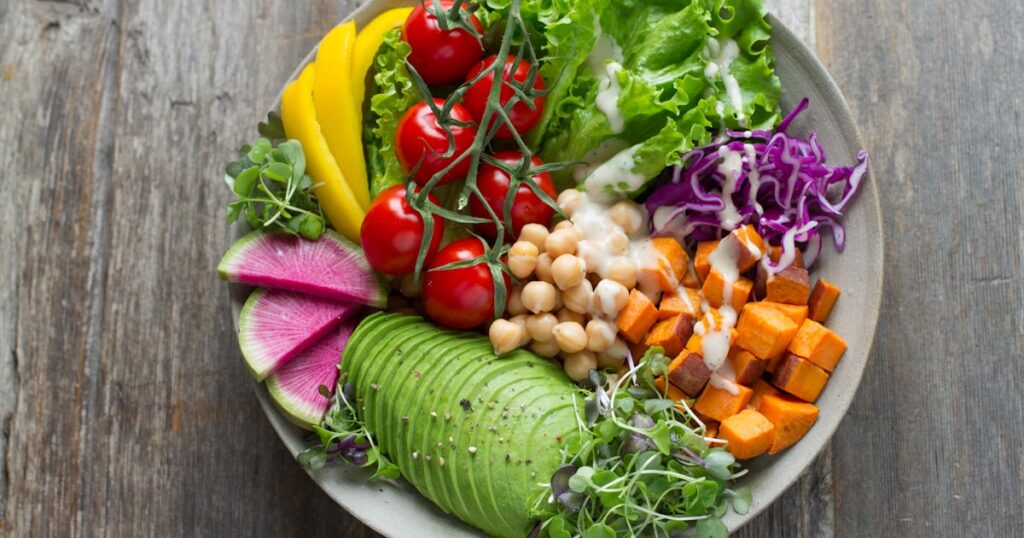
Decades of research on the Mediterranean, DASH, and traditional Okinawan diets converge on a similar pattern when plant-based eating delivers its full benefits. The common thread is the dominance of NOVA Group 1 and 2 foods:
- Vegetables and fruits in their whole form
- Legumes — beans, lentils, chickpeas, peas
- Whole grains such as oats, barley, brown rice, and quinoa
- Nuts, seeds, and minimally processed olive or avocado oil
- Herbs, spices, garlic, and unsweetened plant beverages
A 2023 study in JAMA Internal Medicine following more than 126,000 adults found that adherence to a healthful plant-based diet index — weighted toward whole plant foods — was associated with a 9% lower risk of all-cause mortality, while an unhealthful plant-based pattern weighted toward refined grains, sweets, and sugary drinks was linked to a 21% higher risk.
Practical Ways to Spot Plant-Based UPFs
A few habits make the distinction easier in real grocery stores:
- Read the ingredient list, not the marketing. “Plant-based,” “vegan,” and “dairy-free” labels say nothing about processing.
- Count the unfamiliar ingredients. Long lists with isolates, gums, emulsifiers, and flavorings are a signal of ultra-processing.
- Watch added sugar and sodium. Sweetened plant milks and many plant-based meat alternatives can exceed 400 mg of sodium per serving.
- Favor recognizable whole foods. A bag of dried lentils, a head of broccoli, or a jar of plain rolled oats sits comfortably in NOVA Group 1.
The Bigger Picture
The “plant-based” category is wide enough to include a bowl of lentil soup with vegetables and a frozen vegan pizza with two dozen industrial ingredients. Current research suggests these two meals are not interchangeable for long-term cardiovascular health — and that the benefits attributed to plant-based eating depend heavily on which end of the processing spectrum dominates the plate.
For people moving toward more plant-forward eating, the most consistent evidence points to a simple principle: lean on whole and minimally processed plants, and treat ultra-processed plant products the way you would any other ultra-processed food — as an occasional convenience, not a daily staple.
Disclosure: This content is for informational purposes only and is not medical advice. Always consult a qualified healthcare provider before making changes to your health regimen.