
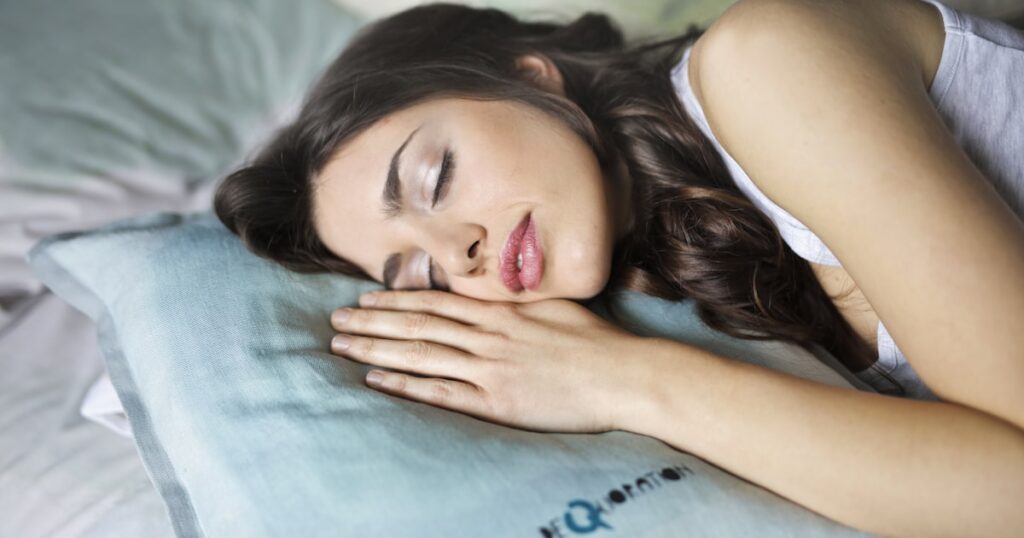
Scroll through wellness TikTok or Instagram and you will eventually see someone going to bed with a strip of tape over their lips. Mouth taping, the practice of sealing the mouth shut at night to force nasal breathing, has been pitched as a fix for snoring, bad breath, brain fog, and even a sharper jawline. The science behind those claims is far thinner than the social media buzz suggests, and sleep specialists are raising real concerns about who should not try it.
How mouth taping became a sleep trend
The idea is simple. Breathing through the nose filters, warms, and humidifies air, while breathing through the mouth bypasses those defenses and can dry out tissues, encourage snoring, and disturb sleep. Books and podcasts popularizing nasal breathing have framed mouth taping as a low-cost way to retrain the body to keep its lips sealed overnight.
What started in biohacker circles is now mainstream. Specialty tapes are sold as sleep products, and search interest in “mouth taping” has surged in recent years. The pitch is appealing: better sleep without a prescription. The trouble is that most of the loudest claims rest on personal experience rather than controlled research.
What the research actually shows
There are only a handful of small studies on mouth taping, and they answer narrow questions. A frequently cited pilot study in patients with mild obstructive sleep apnea found that a porous patch worn over the mouth shifted breathing to the nose and reduced snoring intensity in some participants. Other small trials, typically involving 10 to 36 people, have shown modest improvements in mouth-breathing-related metrics, though results are mixed and effect sizes are limited.
The Cleveland Clinic notes there is “not enough scientific evidence that shows mouth taping works as a way to stop snoring.” Sleep medicine specialist Dr. Brian Chen has cautioned that “most of the evidence is anecdotal” and that mouth taping is not part of standard practice for treating sleep disorders. The Sleep Foundation reaches a similar conclusion: outside of a narrow group of patients already being managed for sleep-disordered breathing, the case for mouth taping as a general sleep tool is weak.
That does not mean nasal breathing itself is unimportant. Research on nasal versus oral breathing during sleep has linked chronic mouth breathing to drier oral tissues, more snoring, and lower-quality sleep architecture in some studies. The contested question is whether physically taping the lips is the right way to encourage that shift, especially without first addressing why someone is mouth breathing in the first place.
Why doctors worry about the risks
The strongest concerns center on people with undiagnosed obstructive sleep apnea. In sleep apnea, the airway repeatedly collapses overnight, and the mouth often opens as a backup channel for air. Taping the mouth shut in that scenario can worsen oxygen drops and disrupt the body’s last-ditch breathing route. Sleep specialists routinely warn that anyone who snores loudly, gasps awake, or feels exhausted despite a full night in bed should be evaluated for apnea before experimenting with mouth taping.
Other groups face clearer risks. Chronic nasal congestion, allergies, sinus infections, a deviated septum, asthma, and other respiratory conditions can all make obligate nasal breathing dangerous. Children have not been studied at all, and pediatric sleep experts strongly discourage taping. People with anxiety can find the sensation distressing enough to disrupt sleep further, and anyone at risk of vomiting overnight, for example from reflux, alcohol, or illness, could face an airway hazard.
Even in healthier adults, reported side effects include lip and skin irritation from adhesive, allergic reactions, disrupted sleep from discomfort, and a feeling of suffocation that wakes people repeatedly. The American Academy of Sleep Medicine has emphasized that mouth taping is not a recognized treatment for sleep apnea and should not replace medical evaluation.
Who, if anyone, might benefit
The narrow group that may see modest benefit, according to current evidence, includes adults who:
- Have clearly open nasal passages and no chronic congestion or structural blockage
- Have been screened for sleep apnea and either ruled out or are already being treated
- Notice dry mouth, mild snoring, or unrefreshing sleep linked to mouth breathing
- Try it under the guidance of a healthcare provider familiar with their sleep history
Even in that group, sleep medicine guidance leans toward treating the underlying driver of mouth breathing, such as allergies, nasal polyps, or apnea, rather than relying on tape as a workaround.
Evidence-based ways to breathe better at night
If the goal is quieter, more restorative sleep, several approaches have stronger backing than mouth taping. Side sleeping reduces snoring in many people by keeping the tongue and soft tissues from collapsing backward. Treating nasal congestion with saline rinses, allergy management, or, when indicated, nasal strips can open the airway enough that the mouth stays naturally closed.
For confirmed obstructive sleep apnea, CPAP therapy and custom oral appliances remain the gold standard and dramatically reduce cardiovascular and metabolic risks tied to disrupted sleep. Weight management, limiting alcohol close to bedtime, and avoiding sedatives can all reduce upper-airway collapse. Daytime myofunctional therapy, which retrains tongue posture and lip seal through exercises, has emerging evidence for improving nasal breathing without the risks of adhesive tape.
If you still want to try it
People who choose to experiment, after ruling out the contraindications above, generally do so cautiously. Sleep clinicians who have discussed the practice publicly suggest starting with a small porous patch designed for the lips rather than household tape, trying it during a short nap first, and stopping immediately if breathing feels restricted or anxiety rises. A bed partner who can observe overnight breathing adds an important safety check, and any persistent snoring, gasping, or daytime sleepiness is a signal to seek a formal sleep evaluation rather than tape harder.
The bottom line
Mouth taping has captured attention because it is cheap, visible, and promises an easy upgrade to sleep. The honest read of the science is that it sits in a gray zone: a few small studies hint at benefit for narrowly selected patients, while expert bodies caution against treating it as a standalone sleep therapy. For most people, the smarter path is to figure out why the mouth is open at night and address that cause, rather than to seal the symptom with a strip of tape.
Disclosure: This content is for informational purposes only and is not medical advice. Always consult a qualified healthcare provider before making changes to your health regimen.