
Inflammation is the body’s emergency response — the redness around a cut, the swelling of a sprained ankle, the fever that fights off infection. It is essential, time-limited and protective. But when that same response simmers in the background for years, it becomes chronic, low-grade inflammation, and researchers now link it to heart disease, type 2 diabetes, certain cancers, Alzheimer’s disease and accelerated aging itself.
What you put on your plate is one of the most consistent levers for turning that simmer down. A growing body of research — including large studies from the Harvard T.H. Chan School of Public Health — suggests that certain foods reliably push the body toward a calmer, less inflamed state, while others do the opposite. Here is what the science actually says, and how to put it into practice.
How food influences inflammation
Diet shapes inflammation through several overlapping pathways. Polyphenols and antioxidants in plants quench reactive molecules that damage cells. Omega-3 fatty acids in fish are converted into resolvins and protectins, signaling molecules that actively switch inflammation off. Fiber feeds gut bacteria that produce short-chain fatty acids like butyrate, which strengthen the intestinal barrier and dial back immune activation.
By contrast, diets heavy in refined carbohydrates, ultra-processed foods, industrial seed oils high in omega-6, and excess added sugar appear to prime the immune system to overreact. A 2020 Harvard analysis published in the Journal of the American College of Cardiology found that adults eating the most pro-inflammatory diets had a 38% higher risk of cardiovascular disease over 32 years of follow-up compared with those eating the most anti-inflammatory patterns.
The most evidence-backed anti-inflammatory foods
Fatty fish
Salmon, sardines, mackerel, herring and anchovies are rich in the long-chain omega-3 fatty acids EPA and DHA. According to the NIH Office of Dietary Supplements, EPA and DHA reduce production of inflammatory eicosanoids and cytokines, including interleukin-6 and tumor necrosis factor-alpha. The American Heart Association recommends at least two servings of fatty fish per week, a pattern repeatedly linked to lower rates of cardiovascular events and rheumatoid arthritis flares.
Berries
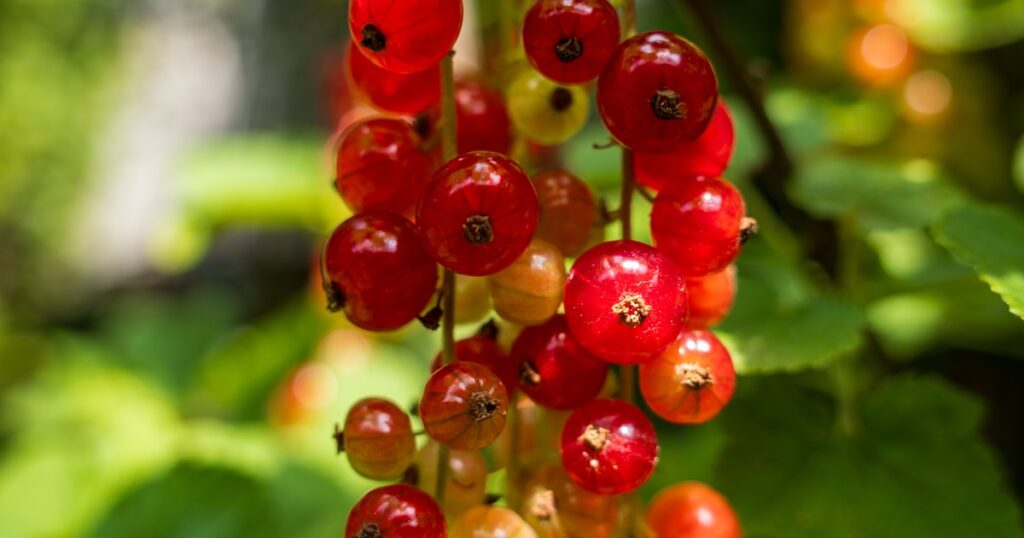
Strawberries, blueberries, raspberries and blackberries are packed with anthocyanins — the pigments responsible for their deep colors and a major source of their anti-inflammatory effect. Human trials have shown that regular berry intake lowers C-reactive protein (CRP), one of the most widely used markers of systemic inflammation. A 2019 review in Advances in Nutrition reported consistent reductions in oxidative stress and improvements in vascular function with daily berry consumption.
Leafy greens and cruciferous vegetables
Spinach, kale, arugula, broccoli, Brussels sprouts and cabbage deliver vitamin K, folate, magnesium and a class of compounds called glucosinolates that the body converts into anti-inflammatory metabolites such as sulforaphane. Higher intake of cruciferous vegetables is associated with lower CRP and reduced risk of several chronic diseases, including colorectal cancer.
Extra virgin olive oil
A cornerstone of the Mediterranean diet, extra virgin olive oil contains oleocanthal, a natural compound that inhibits the same COX-1 and COX-2 enzymes targeted by ibuprofen — though much more gently. The landmark PREDIMED trial, published in The New England Journal of Medicine, found that a Mediterranean diet supplemented with extra virgin olive oil cut the risk of major cardiovascular events by about 30% in high-risk adults.
Nuts and seeds
Walnuts, almonds, chia seeds and flaxseeds combine plant-based omega-3s (ALA), vitamin E and polyphenols. Studies in cohorts such as the Nurses’ Health Study link daily nut consumption to lower CRP, lower interleukin-6 and reduced all-cause mortality. A small handful — about an ounce — most days appears to be the sweet spot.
Turmeric and ginger
Turmeric contains curcumin, which inhibits the NF-kB pathway, a master regulator of inflammatory gene expression. Ginger contains gingerols and shogaols with similar effects. Clinical trials suggest curcumin can ease symptoms of osteoarthritis and ulcerative colitis, though absorption from food is limited. Pairing turmeric with black pepper (which contains piperine) significantly increases bioavailability.
Green tea
Green tea is the richest dietary source of epigallocatechin gallate (EGCG), a polyphenol shown in laboratory and human studies to lower inflammatory cytokines and oxidative stress. Two to three cups per day is the range most commonly studied for cardiovascular and metabolic benefits.
Whole grains and legumes
Oats, barley, quinoa, lentils and beans deliver fiber, plant protein and polyphenols. Their fiber feeds beneficial gut microbes that produce butyrate, a short-chain fatty acid that helps regulate the immune system. Higher whole-grain intake is consistently associated with lower CRP and reduced risk of type 2 diabetes.
Dark chocolate
Cocoa is rich in flavanols that improve endothelial function and modulate inflammation. Choosing chocolate with at least 70% cacao keeps sugar low while delivering meaningful polyphenol doses. A square or two daily — not a bar — is the realistic window.
Foods that fuel inflammation
An anti-inflammatory plate is only half the equation. The other half is reducing what consistently drives inflammation upward:
- Ultra-processed foods high in refined flour, added sugar and industrial additives.
- Sugar-sweetened beverages, which raise CRP and insulin resistance even in lean adults.
- Processed and charred red meats, linked to higher inflammatory markers and colorectal cancer risk.
- Trans fats, now largely banned but still present in some commercial baked goods.
- Excess alcohol, which disrupts the gut barrier and raises liver-driven inflammation.
What an anti-inflammatory day on a plate looks like
Putting these foods into practice doesn’t require a strict diet plan. A realistic day might look like oatmeal topped with berries and walnuts, a lentil and roasted-vegetable bowl drizzled with olive oil for lunch, green tea in the afternoon, and grilled salmon with sautéed greens and quinoa for dinner — finished with a square of dark chocolate. The structure mirrors the Mediterranean pattern that has the strongest evidence base of any anti-inflammatory diet to date.
The bottom line
No single food is a cure-all, and short-term changes won’t undo years of inflammation overnight. But the research is consistent: people whose everyday eating pattern leans toward vegetables, fruits, legumes, whole grains, nuts, fatty fish and extra virgin olive oil — and away from ultra-processed foods and added sugar — show measurably lower inflammatory markers and lower rates of the diseases those markers predict. If you have a chronic inflammatory condition or take medications affected by diet, consult your healthcare provider before making major changes.
Disclosure: This content is for informational purposes only and is not medical advice. Always consult a qualified healthcare provider before making changes to your health regimen.