
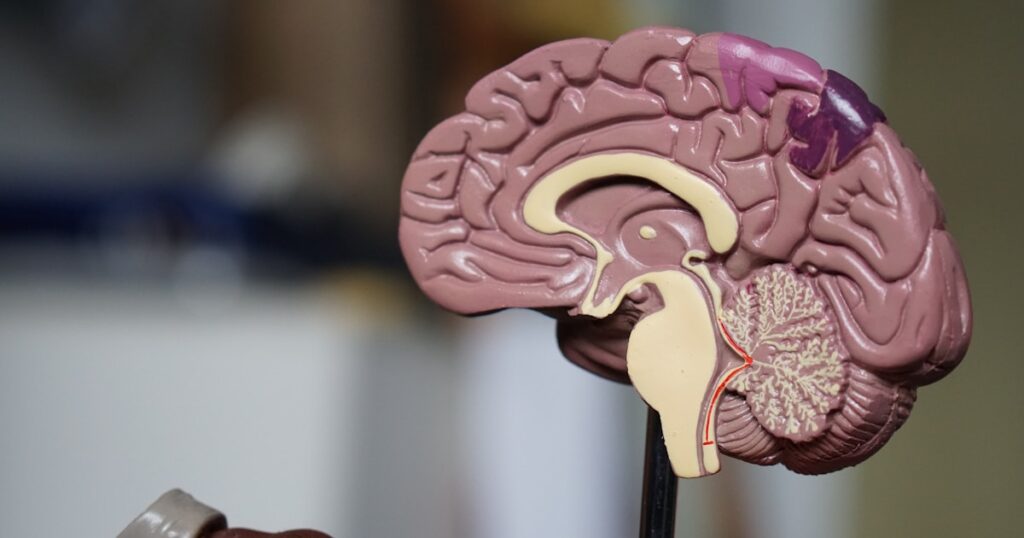
Dementia affects more than 55 million people worldwide — a number projected to nearly triple by 2050. For decades, brain health was viewed primarily as a product of genetics and aging. But a landmark scientific statement from the American Heart Association (AHA) has fundamentally reframed that picture: brain health is shaped by at least 10 modifiable and non-modifiable factors that accumulate across an entire lifetime, starting as early as childhood.
Published in the AHA’s peer-reviewed journal, the statement identifies specific physical, psychological, environmental, and lifestyle variables that either protect or erode cognitive function over time. Its central message is both sobering and empowering — what happens to your brain in old age is partly determined by what happens throughout your life.
A Lifelong Approach to Brain Health
What makes the AHA statement distinctive is its lifespan perspective. Rather than focusing solely on what older adults can do to prevent dementia, the statement emphasizes that brain health is shaped across all decades of life — from early infections in childhood to sleep quality in middle age.
The AHA defines brain health as encompassing “a combination of physical health, mental health, sleep, lifestyle, social support, environment, and access to care.” This multidimensional framework moves beyond single-factor thinking and recognizes that the brain’s trajectory is the result of cumulative exposures, choices, and circumstances.
The 10 Key Factors Identified by the AHA
1. Early-Life Infections
Research suggests that infections during childhood — particularly those involving the central nervous system — may have lasting consequences for cognitive development. Inflammatory responses triggered by early infections are thought to influence brain architecture in ways that increase vulnerability to cognitive decline decades later. Studies indicate this risk is especially pronounced when infections occur during critical windows of neural development.
2. Adverse Childhood Experiences (ACEs)
Events such as abuse, neglect, household dysfunction, or early trauma are now recognized as significant risk factors for later cognitive impairment. Adverse childhood experiences appear to alter the brain’s stress-response systems and affect the hypothalamic-pituitary-adrenal (HPA) axis, leaving neurological traces that can manifest as increased dementia risk in adulthood. Studies indicate that individuals with four or more ACEs face substantially elevated risks of chronic health conditions, including cognitive decline.
3. Socioeconomic Factors
Limited access to quality education, healthcare, nutritious food, and safe housing creates a compounding burden on brain health that accumulates across decades. Socioeconomic disadvantage affects everything from early brain development to midlife chronic disease burden. Research consistently shows that cognitive reserve — the brain’s resilience against damage — is partly built through educational and intellectual engagement, making early life opportunity a critical brain health variable.
4. Chronic Medical Conditions
Conditions such as hypertension, type 2 diabetes, obesity, and cardiovascular disease are among the most well-established risk factors for cognitive decline and dementia. Uncontrolled high blood pressure in midlife, in particular, has been associated with damage to the brain’s small blood vessels and a significantly elevated risk of vascular dementia. Studies suggest that managing these conditions aggressively — especially during the 40s and 50s — may yield meaningful long-term brain health benefits.
5. Chronic Stress
The brain is exquisitely sensitive to prolonged stress. Chronic activation of the body’s stress response floods the brain with cortisol, which research suggests can shrink the hippocampus — the region central to memory formation and spatial navigation. Over time, sustained high cortisol levels may impair neuroplasticity and accelerate cognitive aging. Managing stress through structured interventions such as mindfulness, therapy, or exercise may help protect the brain’s structural integrity.
6. Anxiety and Depression
Mental health conditions are not merely emotional — they carry measurable neurological consequences. Research suggests that depression may nearly double the risk of dementia, and anxiety disorders are associated with elevated inflammatory markers that may harm brain tissue. Early and effective treatment of mood disorders may represent a meaningful, underutilized strategy for long-term cognitive protection.
7. Environmental Pollutants
Air pollution — particularly fine particulate matter (PM2.5) — has emerged as a significant environmental risk factor for brain health. Studies indicate that long-term exposure to PM2.5 accelerates cognitive aging, increases inflammation in the brain, and raises dementia risk. The AHA’s inclusion of environmental exposures reflects a growing scientific consensus that clean air is a brain health issue, not just a respiratory one.
8. Chronic Inflammation
Systemic low-grade inflammation — driven by poor diet, sedentary behavior, chronic illness, or persistent stress — is now recognized as a central mechanism in neurodegeneration. Inflammatory molecules can cross the blood-brain barrier and trigger a cascade of cellular damage. Emerging research suggests that anti-inflammatory dietary patterns and lifestyle choices may help reduce this neuroinflammatory burden over time.
9. Gut Microbiome Disruption (Dysbiosis)
The gut-brain axis has become one of the most active areas of neuroscience research. Dysbiosis — an imbalance in gut bacterial communities — is increasingly linked to neuroinflammation and cognitive decline. Inflammatory molecules produced by a disrupted microbiome can signal through the vagus nerve and bloodstream, potentially accelerating cognitive aging. Research suggests that dietary fiber, fermented foods, and probiotics that support microbial diversity may play a protective role for the brain.
10. Poor Sleep Quality
Sleep is not passive recovery — it is the brain’s primary maintenance window. During deep sleep, the glymphatic system activates to clear metabolic waste, including amyloid-beta, the protein that accumulates in Alzheimer’s disease. Studies indicate that people who chronically sleep fewer than six hours per night face significantly elevated dementia risk. Untreated sleep apnea, irregular sleep schedules, and poor sleep hygiene all disrupt this essential clearing process.
What Protects Your Brain: Evidence-Based Strategies
While some factors — like early-life infections or childhood socioeconomic conditions — are difficult to address retroactively, many of the AHA’s identified factors point toward practical, modifiable behaviors:
- Regular physical exercise — The AHA characterizes exercise as the single most important modifiable factor for brain health. Research suggests at least 150 minutes of moderate aerobic activity per week stimulates BDNF (brain-derived neurotrophic factor), which supports neuron growth and synaptic plasticity.
- Mediterranean-style diet — Rich in vegetables, whole grains, legumes, fish, and olive oil, this dietary pattern reduces chronic inflammation, supports the gut microbiome, and provides the brain with essential omega-3s, antioxidants, and B vitamins.
- Prioritizing sleep — Targeting 7–9 hours of consistent, quality sleep supports the glymphatic system’s nightly waste clearance. Treating sleep apnea and maintaining a regular sleep-wake schedule are particularly impactful steps.
- Managing vascular risk factors — Blood pressure, blood sugar, and cholesterol control protects the brain’s blood supply. Research indicates midlife management — not just old-age intervention — carries the greatest preventive benefit.
- Addressing mental health early — Seeking treatment for depression, anxiety, and chronic stress, as well as building social connections and developing stress-management skills, contributes meaningfully to long-term cognitive resilience.
- Reducing environmental exposures — The AHA also calls for policy-level action: cleaner air, equitable healthcare access, and investments in early childhood development that can reduce the downstream burden of dementia at a population level.
Why This Matters Now
By 2050, the global population aged 65 and over is expected to exceed 1.5 billion. Without meaningful preventive action, dementia may become one of the defining health crises of the 21st century — both for individuals and healthcare systems. The AHA’s comprehensive framework offers a crucial reframe: brain health is not simply fate, and the window for intervention is not just old age.
The evidence increasingly suggests that the choices made in one’s 30s, 40s, and 50s — around diet, exercise, sleep, stress, and medical care — meaningfully shape the brain’s trajectory decades later. Consult with your healthcare provider about personalized strategies for cognitive protection based on your health history and risk factors.
Disclosure: This content is for informational purposes only and is not medical advice. Always consult a qualified healthcare provider before making changes to your health regimen.