
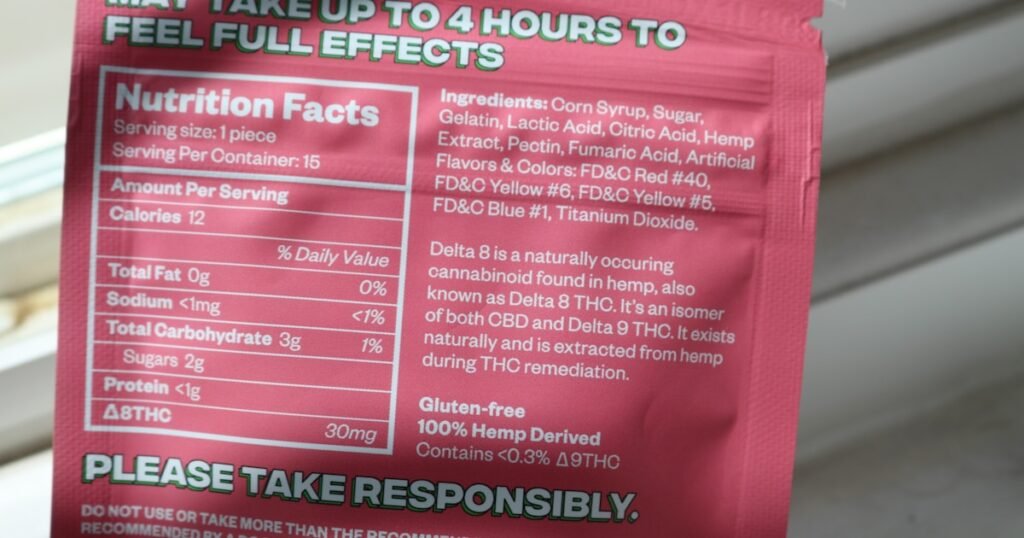
Walk down any grocery aisle and you pass thousands of packages, each with a small
black-and-white panel most shoppers glance at for only a few seconds. Yet that
Nutrition Facts label is one of the most powerful tools you have for
protecting your heart, managing your weight, and avoiding ultra-processed foods. Research
suggests people who regularly read food labels eat less saturated fat, less sodium, and
fewer calories overall — but only when they read the numbers correctly.
The U.S. Food and Drug Administration updated the label in 2016 to reflect newer nutrition
science, with full compliance for most manufacturers in 2020. Yet surveys still show
shoppers routinely misread serving sizes, confuse total sugars with added sugars, or judge
a food by front-of-package claims. Here’s an evidence-based walk-through so the label works
for you rather than against you.
Start With the Serving Size — Every Number Depends On It
The line at the very top of the label is the single most important one. Every calorie,
gram, and percentage below it refers to one serving, not the whole package. A
pint of ice cream listing 250 calories per serving may contain three or four servings.
Finish the container and everything multiplies.
The FDA revised serving sizes in the updated label to reflect what Americans actually
eat in one sitting. But the “reference amount” is a standardized comparison unit, not a
recommendation — larger single-sitting containers like a 20-ounce soda are now labeled
as one serving so calorie counts reflect real-world consumption.
Quick check
- Look at servings per container right above serving size.
- If you plan to eat more than one serving, multiply everything accordingly.
- Compare products using the same serving size, not by package.
Calories: Context, Not a Verdict
The FDA uses 2,000 calories per day as a label reference point, but individual needs
vary by age, sex, body size, and activity. Use calories to compare similar foods and
sense-check portion size — a “healthy” granola bar with 260 calories may pack more
energy than a candy bar of the same weight.
Nutrients to Get Less Of
Three nutrients are singled out by the Dietary Guidelines for Americans and by
organizations such as the American Heart Association because most people consistently
overshoot them:
Added Sugars
Since 2016, labels must list added sugars separately from total
sugars. This distinction matters: sugars naturally present in fruit or plain dairy come
packaged with fiber, water, and micronutrients, while added sugars in sodas, sweetened
yogurts, and baked goods contribute calories with little nutritional return. The American
Heart Association recommends most women cap added sugars at about 25 grams per day and
most men at about 36 grams. A single 12-ounce can of soda can exceed either limit.
Sodium
The Centers for Disease Control and Prevention estimates the average American consumes
around 3,400 milligrams of sodium daily — far above the 2,300 mg upper limit recommended
by the FDA and Dietary Guidelines. Most of that sodium comes from packaged and restaurant
foods, not the salt shaker. Bread, cold cuts, canned soup, sauces, and frozen meals are
typical culprits. Comparing sodium across brands is one of the quickest wins available on
any label.
Saturated Fat
The American Heart Association suggests keeping saturated fat below about 6 percent
of daily calories (roughly 13 grams on a 2,000-calorie diet) to support heart health.
Trans fats — largely phased out after the FDA removed partially hydrogenated oils from
the “generally recognized as safe” list in 2015 — should be as close to zero as possible.
Nutrients to Get More Of
The updated label also highlights nutrients Americans commonly under-consume: dietary
fiber, vitamin D, calcium, iron, and potassium. Foods rich in these tend to support
digestive, bone, and cardiovascular health. Whole grains, legumes, leafy greens, dairy,
and fortified plant milks are usually strong performers here.
The % Daily Value: A 5-and-20 Shortcut
The % Daily Value (%DV) column tells you how much a serving
contributes to a full day’s recommended intake for each nutrient, based on a 2,000-calorie
diet. The FDA offers a simple rule for quick scanning:
- 5% DV or less per serving is considered low.
- 20% DV or more per serving is considered high.
For nutrients to limit (sodium, saturated fat, added sugars), aim for foods where
those numbers are low. For nutrients to increase (fiber, calcium, potassium, vitamin D),
aim high. This 5/20 rule takes seconds and works across brands without any mental math.
Don’t Skip the Ingredients List
Below the Nutrition Facts panel is the ingredients list, which is arranged in
descending order by weight. That means whatever appears first makes up the largest share
of the product. If sugar, refined flour, or a hydrogenated oil sits near the top, the
food is likely more processed than the front of the package suggests.
Watch for sugar’s many aliases — cane syrup, agave nectar, evaporated cane juice,
brown rice syrup, dextrose, maltose, fruit juice concentrate — which can appear
separately but add up. A short list of recognizable whole foods is generally a good
signal; a long list of additives and sweeteners is a cue to compare alternatives.
Front-of-Package Claims Aren’t the Same as the Label
Terms like “natural,” “multigrain,” “made with real fruit,” and “lightly sweetened” are
largely marketing language, not defined the same way as regulated claims such as “low
sodium,” “good source of fiber,” or “no added sugars.” Until a standardized front-of-
package system is finalized, the back-of-package Nutrition Facts label remains the
authoritative source. When in doubt, flip the package over.
Common Label-Reading Mistakes
- Trusting the calorie number without checking the serving size. A
small bag of chips may list “150 calories per serving” but contain 2.5 servings. - Confusing total sugars with added sugars. Plain yogurt has natural
sugars from lactose; sweetened yogurt adds cane sugar or fruit puree on top of that. - Ignoring sodium in “healthy” foods. Whole-grain breads, tomato
sauces, and vegetable soups can be surprisingly salty. - Assuming “0 grams trans fat” means zero. Under FDA rules, products
with less than 0.5 grams per serving can be labeled 0 grams; check the ingredients for
partially hydrogenated oils. - Comparing dissimilar serving sizes. Cereal A’s 30-gram serving is
not a fair match for Cereal B’s 55-gram serving.
When the Label Doesn’t Apply
Fresh produce, most seafood, and single-ingredient whole foods often skip the panel
entirely — and that’s usually a good sign. The most nutrient-dense choices rarely need
marketing. Fill the cart with those first, then use the label on the packaged items you
do buy.
The Takeaway
Reading a Nutrition Facts label well takes about 15 seconds once you know what to look
for: check the serving size, apply the 5/20 rule, scan the added sugars and sodium lines,
and glance at the first few ingredients. Done consistently, research suggests this habit
can meaningfully shift diet quality over time — without banning any single food. If
you’re managing a condition such as hypertension, diabetes, or kidney disease, consult
your healthcare provider or a registered dietitian for targets tailored to you.
Disclosure: This content is for informational purposes only and is not medical
advice. Always consult a qualified healthcare provider before making changes to your
health regimen.