
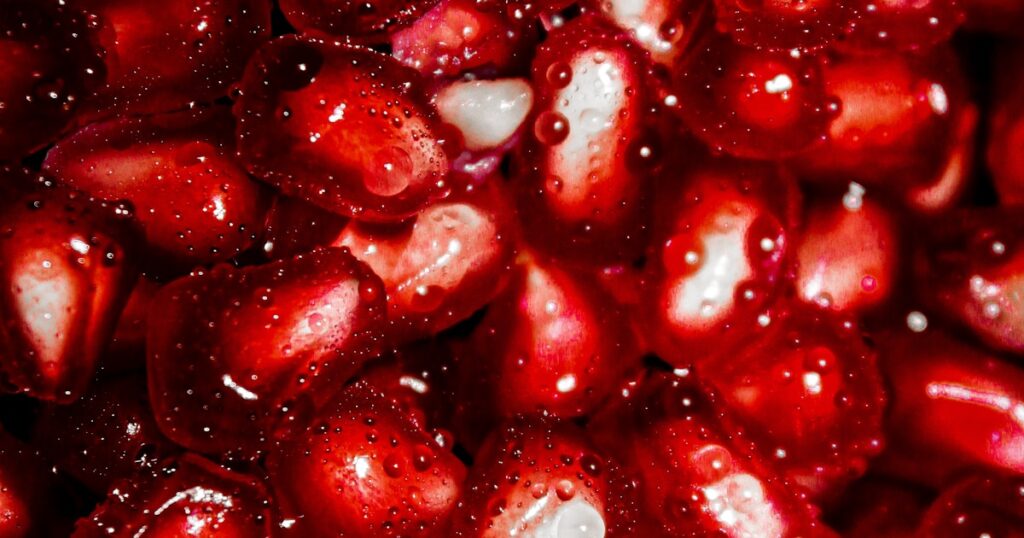
For decades, researchers chasing the biology of aging have circled back to one organelle: the mitochondrion. As we get older, these cellular power plants accumulate damage, generate less energy, and clutter our cells with malfunctioning copies. A compound called urolithin A, produced in the gut after we eat foods like pomegranates and walnuts, is emerging as one of the most promising tools for reversing that decline. Unusually for a longevity supplement, it has multiple human clinical trials behind it.
What Is Urolithin A?
Urolithin A is not a vitamin you eat directly. It is a postbiotic metabolite — a molecule your gut bacteria create when they digest plant compounds called ellagitannins. Foods rich in ellagitannins include pomegranates, walnuts, raspberries, strawberries, pecans, and some teas. Once gut microbes break them down, urolithin A is absorbed into the bloodstream and circulates through the body.
Here is the catch: not everyone makes it. Studies in The American Journal of Clinical Nutrition and elsewhere estimate that only about 30 to 40 percent of adults harbor the gut bacterial strains needed to convert ellagitannins into urolithin A efficiently. That variability is part of why purified supplement forms have attracted so much research interest.
Mitochondria and the Mitophagy Connection
Healthy cells continuously recycle worn-out mitochondria through a quality-control process called mitophagy. With age, mitophagy slows down, and damaged mitochondria pile up — a hallmark of aging tied to muscle loss, metabolic dysfunction, and neurodegeneration, according to a 2023 review in Nature Reviews Molecular Cell Biology.
Urolithin A appears to act as a mitophagy activator. In preclinical work published in Nature Medicine in 2016, it extended lifespan in roundworms by 45 percent and improved running endurance in older mice. The mechanism: it nudged cells to clear out their damaged mitochondria, leaving behind a healthier, more efficient pool.
What Human Trials Have Shown
Animal results often fail to translate, so the more important question is what urolithin A does in people. Several randomized trials suggest the signal is real, even if modest.
Muscle mitochondrial biomarkers
In a 2019 first-in-human trial published in Nature Metabolism, researchers gave urolithin A to sedentary older adults aged 61 to 85. After four weeks, blood and muscle samples showed clear changes in mitochondrial gene expression and reduced markers of inflammation, without serious side effects.
Muscle strength and endurance
A follow-up four-month randomized trial published in JAMA Network Open in 2022 tested 500 mg and 1,000 mg daily doses in middle-aged and older adults. Participants taking urolithin A showed improvements in muscle endurance — measured as increased hand grip and leg muscle output — compared with placebo. Aerobic performance did not change significantly, but cellular markers of mitochondrial function improved.
Immune and inflammation signals
Additional studies suggest urolithin A may dampen chronic low-grade inflammation, sometimes called inflammaging, a process tightly linked to age-related disease. A 2022 study in Cell Reports Medicine found shifts in immune cell metabolism in healthy older adults taking the compound.
These are real effects, but they are not transformative. Research suggests urolithin A nudges biology in a favorable direction rather than dramatically reversing aging.
Food First: Pomegranates, Walnuts, and Berries
Before reaching for a supplement, it helps to know which foods supply the raw material. The richest sources of ellagitannins include:
- Pomegranate — both the seeds (arils) and juice
- Walnuts and pecans
- Raspberries, blackberries, strawberries
- Some teas, including certain oolong and green varieties
- Aged oak-barrel beverages, in trace amounts
If your gut microbiome can perform the conversion, regular intake of these foods produces urolithin A naturally. Researchers are exploring whether specific probiotic strains might help non-converters, but as of 2026 no approved product reliably does so.
Supplements: What to Know
The most studied supplement form is sold under brand names including Mitopure. It uses a synthetic form chemically identical to the natural metabolite, bypassing the gut conversion entirely. The U.S. Food and Drug Administration granted it generally recognized as safe (GRAS) status in 2018, which allows its use in foods and supplements but is not the same as a drug approval.
Typical doses in clinical trials range from 500 mg to 1,000 mg per day, taken with food. Studies have generally found the compound well-tolerated, with adverse events similar to placebo over treatment periods up to four months. Long-term safety data beyond a year remain limited.
Cost is a barrier. Branded urolithin A supplements often run $60 to $100 per month, and generic options are not yet rigorously validated for purity. Independent third-party testing — look for NSF, Informed Choice, or USP verification — helps avoid contaminated or underdosed products.
Who Might Consider It, and Who Shouldn’t
Research on urolithin A has focused largely on healthy adults over 40, especially those with reduced muscle function or sedentary lifestyles. People taking medications, those with chronic kidney or liver disease, pregnant or breastfeeding women, and anyone with a history of cancer should speak with a clinician before starting any new supplement. Urolithin A is not approved to treat or prevent any disease, and it does not replace exercise, sleep, or a nutrient-dense diet — the interventions with the strongest evidence for healthy aging.
The Bottom Line
Urolithin A is one of the better-supported entries in the crowded longevity supplement aisle. Human trials show measurable improvements in mitochondrial biomarkers and muscle endurance, and it appears safe over short-term use. But the effects are modest, the cost is real, and the foundations of healthy aging — resistance training, sleep, a fiber-rich diet, social connection — remain unbeaten. For most people, eating pomegranates, walnuts, and berries regularly is a reasonable first step. Supplementation may be worth discussing with a clinician for those focused on muscle health in their 50s and beyond.
Disclosure: This content is for informational purposes only and is not medical advice. Always consult a qualified healthcare provider before making changes to your health regimen.