
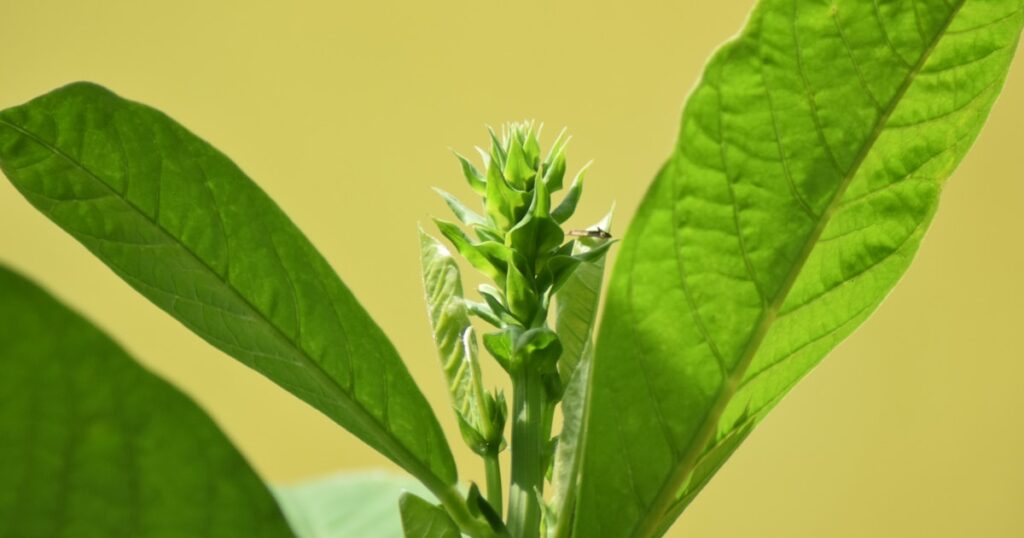
Ashwagandha (Withania somnifera) has been a cornerstone of Ayurvedic medicine for more than 3,000 years, prized for its ability to help the body adapt to physical and psychological stress. Today, it ranks among the most popular herbal supplements in the world — and a growing body of clinical research is beginning to explain why.
What Is Ashwagandha?
Ashwagandha is a small evergreen shrub native to India, North Africa, and the Mediterranean. Its name comes from Sanskrit and roughly translates to “smell of horse” — a reference to both the root’s distinctive odor and the traditional belief that it confers the strength and vitality of a horse.
In Ayurvedic tradition, ashwagandha is classified as a rasayana, or rejuvenating tonic. The root and berry are the most commonly used parts, and modern supplements typically standardize for withanolides — the plant’s primary bioactive compounds — using branded extracts such as KSM-66 or Sensoril.
How It Works: The Adaptogen Mechanism
Ashwagandha belongs to a class of herbs called adaptogens — plants that research suggests may help the body resist physical and emotional stressors. The primary target appears to be the hypothalamic-pituitary-adrenal (HPA) axis, the central stress-response system that regulates the release of cortisol, often called the “stress hormone.”
Under chronic stress, persistent HPA axis activation keeps cortisol levels elevated, which over time is associated with anxiety, poor sleep, weight gain, immune suppression, and cognitive impairment. Studies indicate that withanolides may modulate HPA signaling, helping to buffer excessive cortisol output without suppressing the normal stress response entirely.
What the Research Shows
Cortisol and Perceived Stress
A 2019 double-blind, randomized controlled trial published in Medicine (Lippincott) found that adults who took 240 mg of ashwagandha root extract daily for 60 days experienced a statistically significant reduction in serum cortisol compared to placebo — along with meaningful improvements on validated stress-assessment scales. Participants also reported better sleep quality and overall well-being.
An earlier landmark study in the Indian Journal of Psychological Medicine (2012) tested 300 mg of root extract twice daily in adults with chronic stress. After 60 days, the ashwagandha group showed a 27.9% reduction in serum cortisol and significant drops in self-reported stress, anxiety, and depression scores. Researchers also noted a reduction in C-reactive protein, a biomarker of systemic inflammation.
Anxiety Reduction
A 2021 systematic review and meta-analysis published in PLOS ONE analyzed eight randomized controlled trials involving more than 1,000 participants. The review concluded that ashwagandha supplementation was associated with significantly greater reductions in anxiety and stress levels compared to placebo, with a favorable safety profile across doses ranging from 225 mg to 600 mg per day.
A 2019 trial in the Medicine journal specifically examined a high-concentration root extract at 240 mg per day and found that participants’ scores on the Hamilton Anxiety Rating Scale (HAM-A) improved significantly versus placebo — suggesting effects comparable in direction to conventional anxiety management strategies, though direct comparisons to pharmaceutical interventions remain limited.
Sleep Quality
Stress and sleep are tightly intertwined, and ashwagandha’s effects on the HPA axis appear to extend into sleep architecture. A 2020 study in PLOS ONE enrolled 150 healthy adults experiencing poor sleep and found that 120 mg of a standardized ashwagandha extract taken daily for six weeks led to significant improvements in sleep onset latency, total sleep time, sleep efficiency, and morning alertness compared to placebo. Participants with diagnosed insomnia showed the most pronounced benefits.
Cognitive Function Under Stress
Chronic stress impairs working memory, attention, and processing speed. Research suggests that by reducing cortisol-driven neuroinflammation, ashwagandha may also support cognitive resilience. A 2017 study in the Journal of Dietary Supplements found that 300 mg of KSM-66 taken twice daily for eight weeks significantly improved reaction time, cognitive task performance, and executive function in healthy adults compared to placebo.
Safety and Who Should Exercise Caution
Clinical trials generally report that ashwagandha is well tolerated at doses between 300 mg and 600 mg of root extract per day. The most commonly reported side effects are mild gastrointestinal symptoms — nausea or upset stomach — which tend to occur more often when taken on an empty stomach.
However, certain groups should consult a healthcare provider before using ashwagandha:
- Pregnant or breastfeeding individuals: Traditional texts and some early studies suggest ashwagandha may stimulate uterine contractions; its safety in pregnancy has not been established in modern clinical trials.
- People with thyroid conditions: Ashwagandha may influence thyroid hormone levels. Those taking thyroid medications should be monitored closely.
- Individuals on immunosuppressants or sedatives: Potential interactions exist and professional guidance is warranted.
- People with autoimmune conditions: Because ashwagandha may stimulate immune activity, caution is advised for those with lupus, multiple sclerosis, or rheumatoid arthritis.
Rare cases of liver injury have been reported in the medical literature, though a causal link has not been definitively established. As a precaution, experts generally recommend avoiding very high doses and cycling off periodically rather than taking it continuously for months without a break.
Choosing a Quality Supplement
The herbal supplement market is largely unregulated, making quality variable. Research suggests looking for products that:
- Use standardized root extract (not leaf extract, which has a different phytochemical profile)
- Specify withanolide content — most clinical studies use extracts standardized to 2.5%–5% withanolides
- Carry third-party certification from organizations such as USP, NSF International, or ConsumerLab
- Use established branded extracts (KSM-66, Sensoril) whose formulations match published clinical trial data
The Bottom Line
The evidence base for ashwagandha as a stress and anxiety support is among the strongest of any herbal adaptogen. Multiple well-designed randomized controlled trials consistently find meaningful reductions in cortisol, self-reported stress, and anxiety scores — with a generally favorable safety profile at standard doses. It is not a replacement for evidence-based treatments such as psychotherapy or medications for clinical anxiety disorders, but research suggests it may serve as a valuable complementary tool for people managing everyday chronic stress.
As with any supplement, individual responses vary, and the quality of the product matters enormously. Consulting a qualified healthcare provider can help determine whether ashwagandha is appropriate for your specific health situation and goals.
Disclosure: This content is for informational purposes only and is not medical advice. Always consult a qualified healthcare provider before making changes to your health regimen.