
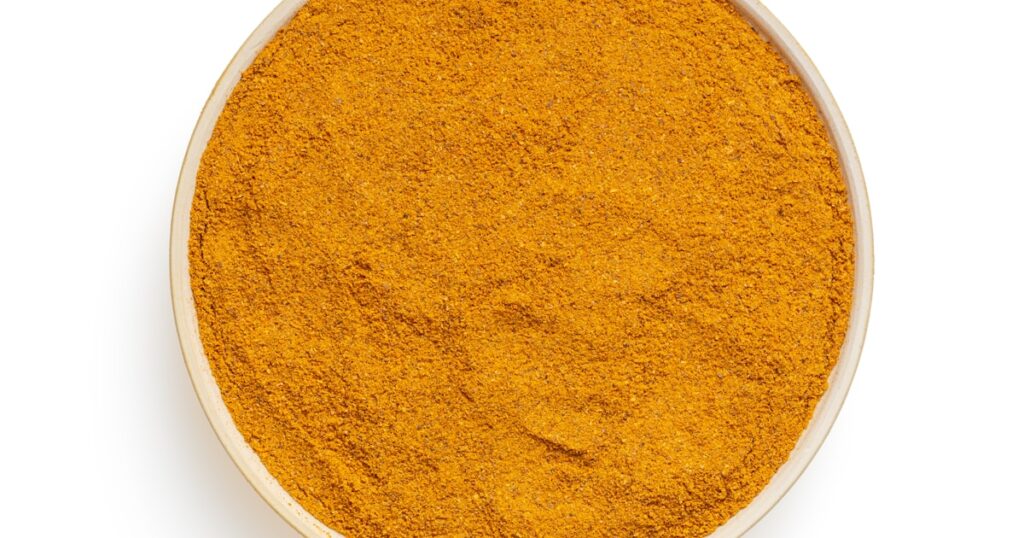
For thousands of years, traditional medicine systems from India to China relied on turmeric as a healing spice. Today, curcumin—the bright-yellow polyphenol that gives turmeric its color—sits at the center of one of modern science’s most active research areas. With hundreds of clinical trials and thousands of published studies, the question is no longer whether curcumin has biological effects, but how significant those effects are and how to unlock them.
What Is Curcumin?
Curcumin is the primary active compound in Curcuma longa, the plant we know as turmeric. It belongs to a class of molecules called curcuminoids, which make up roughly 2–5% of dried turmeric by weight. While the spice contains a mix of curcuminoids, curcumin itself accounts for the majority of the studied biological activity.
Unlike many plant compounds that act on a single molecular target, curcumin is described by researchers as pleiotropic—it interacts with multiple biological pathways simultaneously. This broad reach is both what makes it scientifically fascinating and what complicates drawing clean conclusions from the literature.
How Curcumin Fights Inflammation
Inflammation is a normal, protective immune response. But when it becomes chronic—driven by poor diet, chronic stress, environmental toxins, or underlying disease—it contributes to conditions ranging from arthritis and heart disease to type 2 diabetes and neurodegeneration.
Laboratory studies have shown that curcumin targets inflammation at multiple points in the cellular cascade:
- NF-κB inhibition: NF-κB is a protein complex that acts as a master switch for inflammatory gene expression. Curcumin has been shown to suppress its activation, dampening the production of pro-inflammatory cytokines like TNF-α, IL-1β, and IL-6.
- COX-2 suppression: Curcumin inhibits cyclooxygenase-2 (COX-2), the same enzyme targeted by ibuprofen and naproxen, which plays a central role in pain and inflammation.
- Antioxidant activity: By neutralizing reactive oxygen species (free radicals), curcumin reduces oxidative stress—a key driver of low-grade chronic inflammation.
A 2021 review published in Nutrients concluded that curcumin supplementation significantly reduced circulating levels of C-reactive protein (CRP), a widely used biomarker of systemic inflammation, across multiple randomized controlled trials.
What the Research Shows
Joint Health and Arthritis
Some of the strongest clinical evidence for curcumin comes from studies on osteoarthritis and rheumatoid arthritis. A 2016 systematic review in the Journal of Medicinal Food found that curcumin supplementation was associated with significant reductions in joint pain and stiffness compared to placebo in patients with knee osteoarthritis. Some trials reported outcomes comparable to low-dose ibuprofen, though researchers caution that larger and longer trials are needed before definitive clinical recommendations can be made.
Gut Health
Curcumin’s anti-inflammatory properties extend to the gastrointestinal tract. Preliminary research suggests it may help modulate gut microbiota composition and reduce intestinal permeability—a condition colloquially called “leaky gut.” A 2020 pilot study in Digestive Diseases and Sciences found that curcumin supplementation improved symptoms in patients with irritable bowel syndrome (IBS), though researchers noted the need for larger controlled studies to confirm these findings.
Brain and Cognitive Health
Neuroinflammation is increasingly recognized as a factor in depression, cognitive decline, and neurodegenerative diseases like Alzheimer’s. Research suggests curcumin may cross the blood-brain barrier and exert neuroprotective effects through multiple mechanisms, including upregulating brain-derived neurotrophic factor (BDNF)—a protein that supports the growth and maintenance of neurons.
A 2018 randomized, double-blind, placebo-controlled trial at UCLA, published in the American Journal of Geriatric Psychiatry, found that daily curcumin supplementation over 18 months improved memory and attention in non-demented adults, with participants also showing reduced amyloid and tau accumulation in brain regions linked to mood and memory. The study was small (40 participants), and the authors call for replication at scale.
Cardiovascular Health
Studies indicate that curcumin may improve endothelial function—the health of the inner lining of blood vessels—which is a key predictor of heart disease risk. A meta-analysis published in Nutrition Journal in 2019 found that curcumin supplementation was associated with meaningful reductions in LDL cholesterol and triglycerides in populations at elevated cardiovascular risk.
The Bioavailability Problem
Here’s the catch that often gets glossed over in popular coverage: curcumin is poorly absorbed by the body. When you eat turmeric or take a standard supplement, most of the curcumin is metabolized rapidly and excreted before it can exert meaningful effects. Studies have shown that blood levels of curcumin remain very low even after relatively large oral doses.
This is why the real-world clinical effects of curcumin supplements have sometimes fallen short of the promise shown in lab studies—the curcumin may simply not be reaching target tissues in sufficient concentrations.
How to Improve Absorption
Research has identified several strategies to meaningfully boost curcumin bioavailability:
- Piperine (black pepper extract): The compound that makes black pepper pungent inhibits certain liver enzymes that rapidly break down curcumin. Studies show that combining curcumin with just 20mg of piperine can increase bioavailability by up to 2,000%. This is why many quality supplements include bioperine or black pepper extract.
- Fat co-consumption: Curcumin is fat-soluble, meaning it dissolves and absorbs better when consumed with healthy fats. Research suggests pairing turmeric with olive oil, avocado, or coconut oil enhances uptake.
- Phospholipid-bound formulations: Several enhanced supplement forms—including phytosome complexes (curcumin bound to phosphatidylcholine) and nanoparticle formulations—have demonstrated significantly improved bioavailability in clinical trials compared to standard curcumin powder.
Safety and Dosing
Curcumin has a well-established safety profile. The World Health Organization has set an acceptable daily intake of curcuminoids at up to 3mg per kilogram of body weight. Most clinical trials use doses ranging from 500mg to 2,000mg of curcumin per day, typically with bioavailability enhancers.
Side effects are generally mild and may include digestive discomfort at high doses. Curcumin can interact with blood thinners (anticoagulants) and diabetes medications by enhancing their effects. People scheduled for surgery should discuss curcumin supplementation with their surgeon, as it may affect clotting.
Research suggests that culinary amounts of turmeric in food—used in curries, golden milk, or cooking—are safe for virtually everyone. Therapeutic supplementation at higher doses warrants consultation with a healthcare provider, especially for those with existing health conditions or those taking medications.
How to Incorporate Turmeric into Your Diet
While supplements deliver concentrated curcumin, there is good reason to incorporate turmeric as a regular part of your diet. Traditional Indian cuisine—which has been associated with lower rates of certain inflammatory diseases—uses turmeric liberally in combination with black pepper and fats, which naturally enhances absorption.
Practical ideas include:
- Golden milk: warm plant-based or dairy milk blended with turmeric, black pepper, ginger, and a touch of honey
- Turmeric scrambled eggs with a grind of black pepper and olive oil
- Stir it into soups, lentils, roasted vegetables, or grain bowls
- A turmeric-ginger-lemon tonic in warm water each morning
The Bottom Line
The science behind curcumin is genuinely compelling—but it is also nuanced. Research suggests it has real anti-inflammatory effects at the cellular level, with promising clinical evidence in areas like joint health, cardiovascular risk markers, and possibly brain health. However, bioavailability limitations mean that not all products on the market deliver meaningful doses to where they need to go.
If you’re considering curcumin supplementation for a specific condition, studies indicate looking for formulations that include piperine or use enhanced delivery systems. And as with any supplement, consult your healthcare provider to ensure it fits your individual health picture.
For most people, adding turmeric generously to meals—paired with black pepper and healthy fats—is a low-risk, evidence-aligned step toward a more anti-inflammatory diet.
Disclosure: This content is for informational purposes only and is not medical advice. Always consult a qualified healthcare provider before making changes to your health regimen.