Most people associate vitamin C with immune support and a glass of morning
orange juice. New research suggests the antioxidant’s most overlooked job
may sit much higher up — inside the aging brain itself. A 2026 study from
Hirosaki University in Japan, published in PLOS One, links higher blood
levels of vitamin C to better-preserved gray matter and stronger connectivity
in a brain network tied to memory and self-awareness.
What the New Study Found
Researchers analyzed roughly 2,000 Japanese adults over age 64, combining
plasma vitamin C measurements with MRI scans of gray and white matter volume.
They also mapped activity in the default mode network (DMN) — the
interconnected brain regions that switch on when the mind wanders, recalls
memories, or reflects on the self. The pattern was consistent across the
cohort: adults with lower plasma vitamin C tended to show reduced gray matter
volume and weaker DMN connectivity.
According to a summary from
Medical News Today,
lead author Dr. Tomohiro Shintaku noted that vitamin C concentrations in the
brain are more than twice as high as in the blood — a clue that the
nervous system actively concentrates and protects this nutrient. Neurologist
Dr. Peter Gliebus, commenting on the findings, described the DMN as
“critical for short-term memory, introspection, and self-referential
thinking,” functions that often fray in early cognitive decline.
What the Study Cannot Prove
The design was cross-sectional, meaning it captured a single snapshot in
time. It cannot show that low vitamin C causes brain shrinkage or that
supplementation reverses it. Dr. Dung Trinh, an independent commentator,
emphasized that the work does not prove vitamin C prevents cognitive decline
or that taking pills will improve brain health. Longitudinal studies and
randomized trials are needed to confirm direction and dose.
Why Vitamin C Matters for the Brain
Vitamin C is a powerful water-soluble antioxidant. It neutralizes free
radicals, recycles vitamin E inside cell membranes, and serves as a cofactor
for enzymes that build collagen, dopamine, and norepinephrine. Brain tissue is
metabolically expensive and oxygen-hungry, producing a steady stream of
oxidative byproducts that can damage neurons over time.
Reviews published in Nutrients and indexed on
PubMed
have proposed several mechanisms tying vitamin C status to brain health:
limiting oxidative stress in neurons, supporting the blood-brain barrier,
modulating inflammation, and contributing to neurotransmitter synthesis. The
new Hirosaki study fits within that broader picture rather than overturning it.
How Much Vitamin C Adults Actually Need
The
National Institutes of Health Office of Dietary Supplements
sets the Recommended Dietary Allowance (RDA) for vitamin C at 90 mg per day
for adult men and 75 mg per day for adult women. Smokers should add an extra
35 mg per day, since smoking accelerates vitamin C turnover. The tolerable
upper intake level for adults is 2,000 mg per day; above that, gastrointestinal
discomfort and the risk of kidney stones rise.
Frank deficiency — scurvy — is rare in developed countries but
still occurs in older adults living alone, people with restrictive diets, and
those with malabsorption conditions. The
World Health Organization
recommends at least five servings of fruits and vegetables daily, an intake
that comfortably covers vitamin C needs for most healthy adults.
The Best Food Sources of Vitamin C
Whole-food sources deliver vitamin C alongside fiber, polyphenols, and
other antioxidants that pills cannot replicate. NIH data list some of the
most concentrated sources per serving:
- Red bell pepper — about 95 mg per half cup, raw
- Orange juice — 93 mg per three-quarter cup
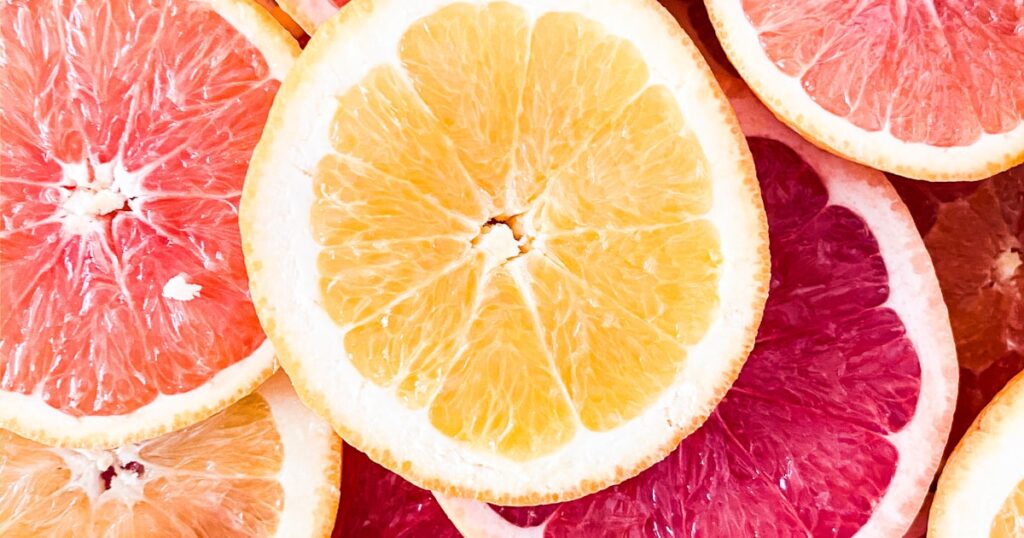
- Orange — 70 mg in one medium fruit
- Kiwifruit — 64 mg in one medium fruit
- Broccoli, cooked — 51 mg per half cup
- Strawberries — 49 mg per half cup
- Brussels sprouts, cooked — 48 mg per half cup
- Tomato juice — 33 mg per three-quarter cup
Heat and prolonged cooking degrade vitamin C. Lightly steaming vegetables
or eating them raw preserves more of the nutrient than boiling for long
periods.
Who May Be Running Low
Even in well-fed populations, low-normal vitamin C status is more common
than people expect. Research suggests the following groups are most at risk
of insufficient intake or accelerated depletion:
- Older adults, particularly those eating few fresh fruits
and vegetables. - Smokers and people exposed to secondhand smoke, who
experience higher oxidative stress. - People with limited food variety, including those on
highly restrictive diets. - Individuals with chronic conditions such as kidney
disease or malabsorption disorders. - People recovering from major surgery, trauma, or burns,
whose tissue repair demands rise sharply.
Supplements: Helpful or Hype?
For most healthy adults, food covers vitamin C needs without supplements.
A single orange and a serving of broccoli already exceed the RDA. Standard
multivitamins typically contain 60 to 100 mg of vitamin C, which is generally
safe but rarely transformative for people who already eat a varied diet.
Megadoses — gram-level intakes promoted online for immunity or
“brain optimization” — are not supported by the current
research. The body tightly regulates plasma vitamin C, and once tissues are
saturated, additional intake is largely excreted in urine. People with a
history of kidney stones, iron overload disorders, or kidney disease should
be especially cautious with high-dose vitamin C and discuss any supplement
plan with a clinician.
Practical Steps That Match the Evidence
- Build vitamin C into your daily plate. A piece of
citrus, a handful of berries, or peppers in a salad will reliably cover
the RDA. - Eat the rainbow, not just the C-richest item. Brain
aging studies, including the
National Institute on Aging
literature, consistently point to whole dietary patterns rather than single
nutrients. - Mind cooking methods. Quick steaming, microwaving, or
eating produce raw preserves more vitamin C than long boiling. - Address total brain-health habits. Vitamin C status
sits alongside sleep, exercise, blood pressure control, and social
engagement — all of which independently shape gray matter trajectories. - Talk to a clinician before high-dose supplements.
Especially if you have kidney disease, take chemotherapy drugs, or use
blood thinners.
The Bigger Picture
A single observational study does not change clinical guidelines, but the
Hirosaki findings join a growing literature suggesting that everyday
nutritional status quietly shapes brain aging. Vitamin C is inexpensive, well
tolerated at dietary doses, and abundant in foods that already anchor most
healthy eating patterns. Treating it as one ingredient in a broader brain
health strategy — rather than a magic bullet — reflects what the
evidence actually shows.
If your meals already include colorful fruits and vegetables most days,
you are likely doing more for your gray matter than any supplement label
promises. If they do not, that gap is one of the easier ones to close.
Disclosure: This content is for informational purposes only and is not
medical advice. Always consult a qualified healthcare provider before making
changes to your health regimen.