
For millions of people worldwide, sudden episodes of spinning, rocking, or floating dizziness arrive without warning. When they seek medical care expecting an inner ear infection or standard vertigo, imaging and hearing tests often return normal results. Even more perplexing, up to half of these individuals do not experience a headache during their attacks. The underlying condition is frequently vestibular migraine—a neurovascular disorder that disrupts the brain’s balance-processing pathways.
Can dietary modifications reduce these disorienting vestibular episodes? Clinical neurology research indicates that for many patients, the answer is yes. While dietary changes cannot replace medical care, structured nutritional protocols designed to minimize neurovascular triggers demonstrate symptom reduction in roughly 30% to 60% of patients in observational cohorts. Understanding which foods provoke attacks, how meal timing influences neural stability, and how to execute a structured elimination protocol offers an evidence-based framework for relief.
What Is Vestibular Migraine?
Vestibular migraine is formally recognized by the Bárány Society and the International Headache Society (IHS) in the International Classification of Headache Disorders (ICHD-3). Diagnostic criteria require a personal history of migraine, alongside recurrent episodes of vestibular symptoms—such as spontaneous vertigo, positional vertigo, or visual motion sensitivity—lasting from five minutes to 72 hours, with at least half accompanied by migraine features like photophobia, phonophobia, or visual auras.
Unlike classic migraines where severe head pain dominates, vestibular migraine primarily affects the vestibular nuclei in the brainstem and their connections to the cerebellum and inner ear. Because head pain is absent in up to 50% of attacks, patients often spend months searching for answers, frequently mistaking their symptoms for benign paroxysmal positional vertigo (BPPV) or Ménière’s disease. As clinical reviews from the updated migraine prevention literature emphasize, non-pharmacological lifestyle strategies represent a foundational first step in calming neural excitability.
The Migraine Threshold Concept
In neurology, migraine susceptibility is understood through the threshold theory, developed by researchers at Johns Hopkins Medicine. Every individual possesses a biological threshold above which neurological hyperexcitability triggers an attack. Genetics, hormonal shifts, atmospheric pressure, and psychological stress establish baseline sensitivity. Dietary triggers do not create the disorder; rather, they act as cumulative biochemical stressors that push a sensitive nervous system over its threshold.
When exposed to specific food chemicals, sensory nerve fibers surrounding cerebral blood vessels release inflammatory neuropeptides, including calcitonin gene-related peptide (CGRP). In vestibular migraine, this neurovascular irritation extends to brainstem balance centers, producing vertigo and motion intolerance even without acute pain.
Primary Dietary Triggers: What the Science Shows
Clinical studies identify several primary categories of dietary triggers that can lower the threshold for vestibular attacks:
1. Biogenic Amines (Tyramine and Histamine)
Tyramine is an amino acid derivative formed when food protein breaks down through aging, fermentation, or curing. Elevated tyramine can stimulate norepinephrine release, promoting vasoconstriction followed by compensatory dilation. Common high-tyramine foods include:
- Aged cheeses (parmesan, cheddar, gouda, blue cheese, brie)
- Cured and processed meats (salami, pepperoni, bacon, hot dogs)
- Fermented soy products (soy sauce, miso, tempeh)
- Yeast extracts and sourdough breads
- Certain alcoholic beverages, especially red wine and tap beers
Similarly, dietary histamine and impaired diamine oxidase activity can aggravate neurovascular inflammation, as examined in research on DAO deficiency and migraines. High-histamine foods include aged items, vinegar, fermented products, and canned seafood.
2. Excitotoxic Additives: MSG and Sweeteners
Monosodium glutamate (MSG) and hydrolyzed proteins contain free glutamate, the primary excitatory neurotransmitter in the brain. In sensitive individuals, excess circulating glutamate may stimulate NMDA receptors, contributing to cortical spreading depression. Artificial sweeteners, particularly aspartame and sucralose, have also been documented as potential neurochemical triggers.
3. Nitrates and Preservatives
Preservatives in cured meats convert into nitric oxide in the bloodstream. While nitric oxide is an essential cardiovascular molecule, sudden localized surges can prompt rapid cerebrovascular dilation that activates trigeminal sensory nerves. Sulfites in dried fruits and commercial wines are also widely reported triggers.
4. Caffeine Fluctuations and Dehydration
Caffeine acts as an adenosine receptor antagonist and cerebral vasoconstrictor. While consistent, low-to-moderate intake is tolerable for some, erratic consumption or abrupt withdrawal causes rebound vasodilation that often provokes flare-ups. Furthermore, fluid balance directly influences inner ear endolymph regulation, making chronic dehydration a potent mechanical trigger.
Meal Timing and Blood Sugar Balance
A crucial element of the vestibular migraine diet is how and when you eat. Clinical observations from the American Migraine Foundation emphasize that irregular meal timing and prolonged fasting can be just as disruptive as specific ingredients. When meals are skipped, blood glucose drops (hypoglycemia), triggering adrenaline and cortisol surges that lower the neurological threshold across balance centers.
Maintaining stable blood sugar through balanced meals spaced every three to four hours provides the continuous fuel required for steady brainstem function.
Foods to Emphasize and Key Nutrients
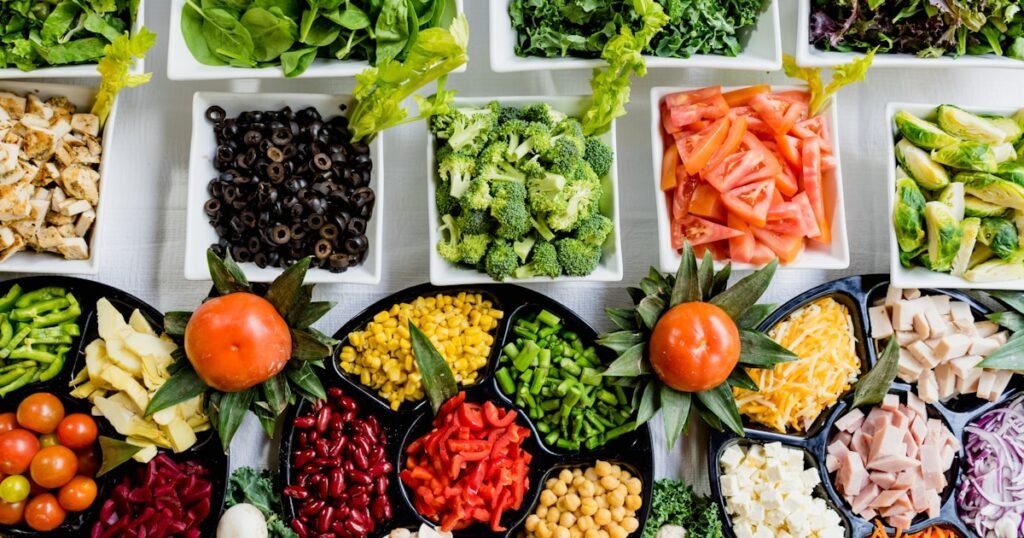
An effective dietary protocol focuses on providing the nervous system with stabilizing micronutrients. Prioritize fresh, minimally processed whole foods: fresh poultry, eggs, unaged meats, low-mercury fish, fresh vegetables (broccoli, zucchini, leafy greens, carrots), fresh fruits (apples, pears, blueberries), whole grains (quinoa, oats, brown rice), and healthy fats like cold-pressed olive oil.
In addition to whole foods, several nutritional supplements have demonstrated prophylactic support in clinical neurology guidelines from the American Academy of Neurology (AAN). Magnesium plays an essential role in regulating NMDA receptor activity and vascular tone. Studies suggest that 400 to 600 milligrams of elemental magnesium daily—such as glycinate or citrate—can reduce migraine frequency, as reviewed in clinical analyses of magnesium for sleep and nervous system recovery. Riboflavin (vitamin B2, 400 mg daily) and Coenzyme Q10 also offer Level B evidence for cellular energy support.
The 3-Phase Elimination Protocol
Rather than adopting permanent restrictive diets, clinical dietitians recommend a structured three-phase protocol:
- Phase 1: Elimination (4 to 8 Weeks): Remove high-risk categories—aged cheeses, cured meats, MSG, artificial sweeteners, alcohol, and fermented items—while maintaining regular meal schedules and steady hydration. Maintain a daily journal tracking dizziness intensity, sleep, and food intake.
- Phase 2: Systematic Reintroduction: Once baseline symptoms stabilize, introduce one food group at a time in small portions over three consecutive days. Monitor for delayed symptoms (which can emerge up to 48 hours post-ingestion). If no dizziness occurs, that food is safe to keep. If symptoms flare, pause and record the trigger.
- Phase 3: Personalized Maintenance: The ultimate goal is the broadest, most nutrient-rich diet possible, avoiding only verified personal triggers. Long-term blanket restriction can lead to unnecessary nutritional deficits and food anxiety.
Evidence Limitations and Study Nuance
It is important to interpret the evidence with appropriate nuance. Most dietary data in vestibular migraine derive from observational cohorts, patient surveys, and extrapolations from classic migraine trials. Large-scale, double-blind randomized controlled trials evaluating specific dietary protocols for vestibular migraine remain limited because blinding whole foods is inherently challenging.
Dietary modification is an adjunctive management tool—it is not a universal cure. Individual trigger profiles vary widely: a food that triggers symptoms in one person may be completely benign for another. Furthermore, persistent or sudden vertigo requires clinical evaluation by an otolaryngologist or neurologist to rule out other conditions before attributing all symptoms solely to diet.
Disclosure: This content is for informational purposes only and is not medical advice. Always consult a qualified healthcare provider before making changes to your health regimen.