
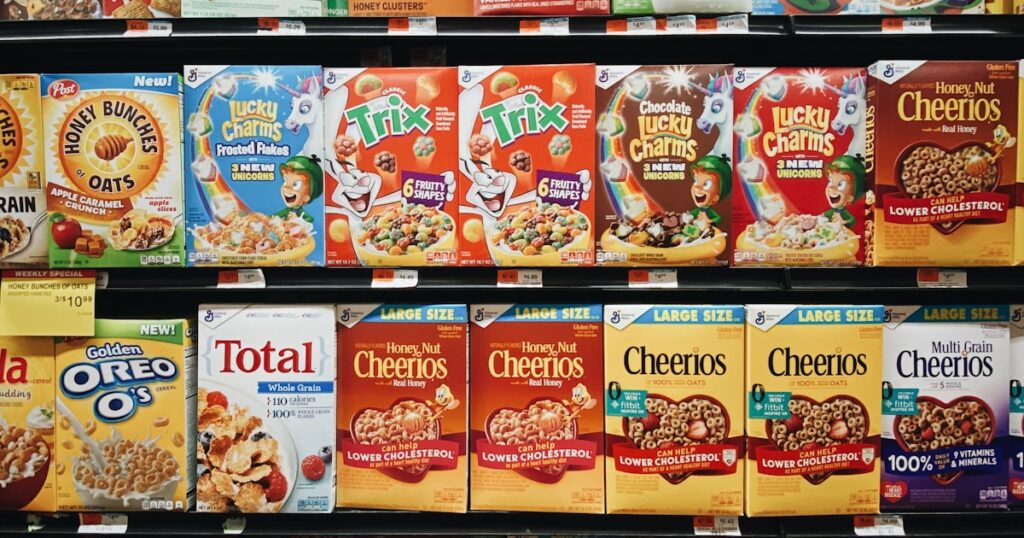
Ultra-processed foods (UPFs) — from packaged snacks and frozen meals to sugary cereals and fast food — now make up more than 57% of daily caloric intake for the average American adult, according to data from the National Health and Nutrition Examination Survey (NHANES). For adolescents, that figure climbs even higher.
For decades, the health conversation around these foods focused primarily on weight gain, cardiovascular disease, and type 2 diabetes. But a growing body of research is now revealing a more immediate, tangible impact: the systematic erosion of your muscle mass.
What Exactly Are Ultra-Processed Foods?
In 2010, Brazilian epidemiologist Carlos Monteiro and colleagues developed the NOVA classification system, which categorizes foods by the degree of industrial processing rather than their nutrient content alone. Ultra-processed foods sit at the top of that scale — defined by their use of food-derived substances (such as hydrogenated fats and modified starches) along with additives like artificial flavors, emulsifiers, and preservatives.
Common examples include:
- Packaged chips, cookies, and crackers
- Carbonated soft drinks and flavored yogurts
- Breakfast cereals and instant noodles
- Processed meats (hot dogs, chicken nuggets, deli slices)
- Ready-to-heat meals and fast food
The defining characteristic isn’t just what these foods contain — it’s what they lack: fiber, micronutrients, and complete protein structures that intact whole foods provide.
What the Research Shows
The connection between UPFs and muscle health is emerging as one of the more striking findings in nutritional science. A 2024 study published in JAMA Internal Medicine analyzed dietary data from over 11,000 participants across multiple age groups and found that adults with the highest quartile of ultra-processed food intake had a significantly higher risk of developing sarcopenia — the medical term for age-related muscle loss — compared to those in the lowest quartile.
A separate investigation published in the European Journal of Nutrition found that increased consumption of UPFs correlated with lower skeletal muscle mass index, even after researchers adjusted for total caloric intake and physical activity levels. This suggests the muscle-depleting effect isn’t simply about eating too many calories.
Research from Monteiro’s NOVA team and subsequent replications have shown that ultra-processed foods contribute to higher levels of circulating inflammatory biomarkers, including C-reactive protein (CRP) and interleukin-6 (IL-6) — cytokines that have been directly linked to muscle protein breakdown in multiple clinical studies.
The Biological Mechanisms at Work
Why do ultra-processed foods affect muscle specifically? Researchers have identified several interlocking pathways:
1. Chronic Low-Grade Inflammation
Emulsifiers, artificial colorings, and high-fructose corn syrup found in many UPFs trigger inflammatory signaling cascades. Chronic inflammation is among the most potent drivers of muscle catabolism (breakdown), disrupting the body’s ability to maintain muscle protein synthesis even when caloric intake is adequate.
2. Gut Microbiome Disruption
The gut-muscle axis is an active area of research. Studies published in Cell Host & Microbe and other leading journals have shown that emulsifiers commonly used in processed foods — such as polysorbate 80 and carboxymethylcellulose — disturb the gut mucosal barrier and shift microbiome composition toward pro-inflammatory species. A dysbiotic gut reduces short-chain fatty acid (SCFA) production, and SCFAs like butyrate are now understood to play a role in muscle protein metabolism.
3. Protein Quality Displacement
UPF-heavy diets tend to crowd out higher-quality protein sources. Processed meats and soy-based meat analogs often provide incomplete or lower-bioavailability amino acid profiles compared to whole protein sources. When the essential amino acid leucine — the primary driver of muscle protein synthesis — is consistently insufficient, muscle maintenance suffers.
4. Insulin Resistance and Anabolic Resistance
High sugar and refined carbohydrate loads from UPFs promote insulin resistance over time. Insulin plays a crucial anabolic role in muscle tissue, facilitating amino acid uptake. When cells become insulin-resistant, this signaling degrades — a phenomenon researchers call “anabolic resistance,” where muscle tissue becomes less responsive to dietary protein even in adequate amounts.
Who Is Most at Risk?
While the effects appear across age groups, certain populations face heightened risk:
- Older adults (60+): Already at risk for sarcopenia, older individuals who consume high levels of UPFs compound their muscle loss risk significantly. Research suggests that adults over 60 who fall in the highest UPF consumption quartile have up to a 40% greater risk of sarcopenia.
- Sedentary individuals: Physical activity partially offsets muscle loss, but inactivity removes this protective buffer.
- Those with metabolic conditions: People managing type 2 diabetes or metabolic syndrome often already exhibit anabolic resistance, making high UPF intake particularly damaging to muscle health.
- Adolescents and young adults: Though muscle loss isn’t typically a concern for younger people, research suggests that high UPF intake during peak muscle-building years (ages 18–35) may blunt the maximum muscle mass achieved — a factor that matters for long-term health as aging begins.
Practical Steps to Protect Muscle Health
Nutrition researchers consistently point toward dietary patterns rather than single-food restrictions. Studies indicate several approaches may help mitigate the effects of UPF consumption on muscle:
- Prioritize whole protein sources: Eggs, legumes, fish, poultry, and dairy provide complete amino acid profiles that research suggests support muscle protein synthesis more effectively than highly processed alternatives.
- Increase dietary fiber: Fiber from whole grains, vegetables, and fruit feeds beneficial gut bacteria and supports SCFA production linked to muscle metabolism. Research indicates that aiming for 25–38 grams of fiber per day, as recommended by the NIH, is associated with better metabolic and muscle health outcomes.
- Adopt a Mediterranean-style approach: Multiple large-scale studies have associated Mediterranean dietary patterns — rich in olive oil, legumes, whole grains, and fish — with preserved muscle mass and lower inflammatory markers.
- Read ingredient labels carefully: The presence of more than five additives — particularly emulsifiers, artificial flavors, or modified starches — is a useful heuristic for identifying ultra-processed products.
The Bigger Picture
Muscle is not merely an aesthetic or athletic concern. Research consistently demonstrates that skeletal muscle mass is one of the most robust predictors of long-term health outcomes, including metabolic function, immune resilience, fall risk in older adults, and even cancer recovery. A 2023 analysis in The Lancet Diabetes & Endocrinology found that lower muscle mass was independently associated with increased all-cause mortality across diverse populations.
The emerging science on ultra-processed foods and muscle loss underscores a broader point: the quality and composition of the food supply matters, not just caloric quantities. As researchers continue to untangle the gut-muscle-inflammation axis, the evidence already in hand offers a compelling case for prioritizing whole, minimally processed foods as a foundation of health.
Consult your healthcare provider or a registered dietitian before making significant changes to your diet, particularly if you have existing health conditions or specific muscle health concerns.
Disclosure: This content is for informational purposes only and is not medical advice. Always consult a qualified healthcare provider before making changes to your health regimen.