
Most people understand that ultra-processed foods are not good for the waistline or the heart. But a growing body of research is now implicating these industrially formulated products in a less obvious kind of damage: the slow, silent erosion of bone strength. Scientists studying dietary patterns across large populations are finding that people who eat the most ultra-processed foods tend to have lower bone mineral density and a higher risk of fractures — outcomes that can shape quality of life for decades.
What Are Ultra-Processed Foods?
The term “ultra-processed” comes from the NOVA food classification system, developed by researchers at the University of São Paulo and now widely used in nutritional epidemiology. NOVA sorts foods into four groups based on the degree and purpose of industrial processing:
- Group 1: Unprocessed or minimally processed foods (fresh vegetables, fruit, meat, eggs, milk)
- Group 2: Processed culinary ingredients (olive oil, butter, flour, salt)
- Group 3: Processed foods (cheese, canned fish, cured meats)
- Group 4 — Ultra-processed: Industrial formulations made largely from substances extracted from foods, combined with additives such as emulsifiers, preservatives, artificial colours, flavour enhancers, and humectants
Common ultra-processed foods (UPFs) include packaged snacks, carbonated soft drinks, instant noodles, breakfast cereals with added sugar, flavoured yoghurts, reconstituted meat products, and fast-food items. In many high-income countries, UPFs now account for 50–60% of daily caloric intake, according to dietary survey data published in the British Medical Journal.
The Bone-Diet Connection: What Studies Are Finding
ultra-processed foods
Lower Bone Mineral Density
A study published in the journal Nutrients examined the dietary patterns and bone mineral density (BMD) measurements of thousands of adults and found a significant inverse relationship: as UPF consumption increased, BMD at the hip and lumbar spine declined. The association held even after researchers adjusted for body weight, physical activity, smoking, and total calorie intake — suggesting the effect is not simply explained by obesity or inactivity.
A separate analysis using data from the UK Biobank, one of the world’s largest health cohorts, found that participants whose diets were highest in ultra-processed foods had measurably lower bone density scores compared to those who ate predominantly whole foods. Researchers noted that the effect was particularly pronounced in older women — a group already vulnerable to osteoporosis after menopause-related drops in oestrogen.
Higher Fracture Risk
Research published in Osteoporosis International tracked tens of thousands of adults over multiple years and reported that higher UPF consumption was independently associated with an elevated risk of osteoporotic fractures. For every 10 percentage point increase in the share of calories coming from ultra-processed foods, fracture risk rose meaningfully — a finding consistent with mechanistic research suggesting that these foods impair the biological machinery of bone formation.
Why Ultra-Processed Foods May Weaken Bones
Scientists have proposed several interconnected mechanisms that help explain the bone-UPF connection.
1. Nutritional Displacement
Perhaps the most straightforward mechanism is displacement. Every calorie spent on a processed snack or sugary drink is a calorie not spent on a food that supplies calcium, vitamin D, vitamin K2, magnesium, or protein — all nutrients essential for bone formation and maintenance. Dietary surveys consistently show that high UPF consumers have lower intakes of these key micronutrients, creating a cumulative deficit that undermines the skeleton over time.
2. Sodium Overload and Urinary Calcium Loss
Ultra-processed foods are among the primary drivers of excessive sodium intake. High dietary sodium increases the kidneys’ excretion of calcium in urine — a phenomenon called hypercalciuria. Research suggests that for every 2,300 milligrams of extra sodium consumed daily, the body excretes approximately 40 milligrams more calcium. Over months and years, this drain can significantly reduce the calcium available for bone tissue.
3. Phosphate Additives and Mineral Imbalance
Many processed and ultra-processed foods — particularly cola drinks, processed meats, and packaged baked goods — contain phosphate additives (listed on labels as E338, E450, E451, and similar). Research published in the Clinical Journal of the American Society of Nephrology indicates that excessive inorganic phosphate from additives raises blood phosphate levels, which in turn suppresses the activation of vitamin D and stimulates parathyroid hormone — a combination that accelerates bone resorption and reduces calcium absorption.
4. Chronic Low-Grade Inflammation
Diets high in added sugars, refined carbohydrates, and industrial seed oils — the hallmarks of ultra-processed food — are associated with elevated markers of systemic inflammation, including C-reactive protein and interleukin-6. Studies indicate that chronic low-grade inflammation activates osteoclasts (bone-destroying cells) and suppresses osteoblast activity, shifting the bone remodelling balance toward net bone loss.
5. Gut Microbiome Disruption
Emerging research in the field of the gut-bone axis suggests that a healthy, diverse gut microbiome is important for calcium absorption and the production of certain vitamins — notably vitamin K2, which is synthesised by gut bacteria and plays a central role in activating proteins that bind calcium into bone matrix. Ultra-processed foods, low in dietary fibre and high in emulsifiers and artificial sweeteners, have been shown in multiple studies to reduce microbial diversity — potentially impairing both calcium absorption and local K2 production.
Who Is Most at Risk?
While poor bone health can affect anyone who eats a diet dominated by ultra-processed foods, certain groups appear to face heightened vulnerability:
- Postmenopausal women: Already at risk of accelerated bone loss due to declining oestrogen, whose protective effect on osteoblasts is well-established
- Adolescents and young adults: The years between ages 10 and 30 are critical for building peak bone mass; UPF-heavy diets during this period may permanently limit the bone capital accumulated before natural decline begins
- Older men: Often overlooked in osteoporosis discussions, men over 70 face significant fracture risk, and dietary patterns matter considerably
- People with limited sun exposure: Already at higher risk of vitamin D deficiency, making the displacement of vitamin-D-rich foods by UPFs more consequential
What Bone-Protective Eating Looks Like
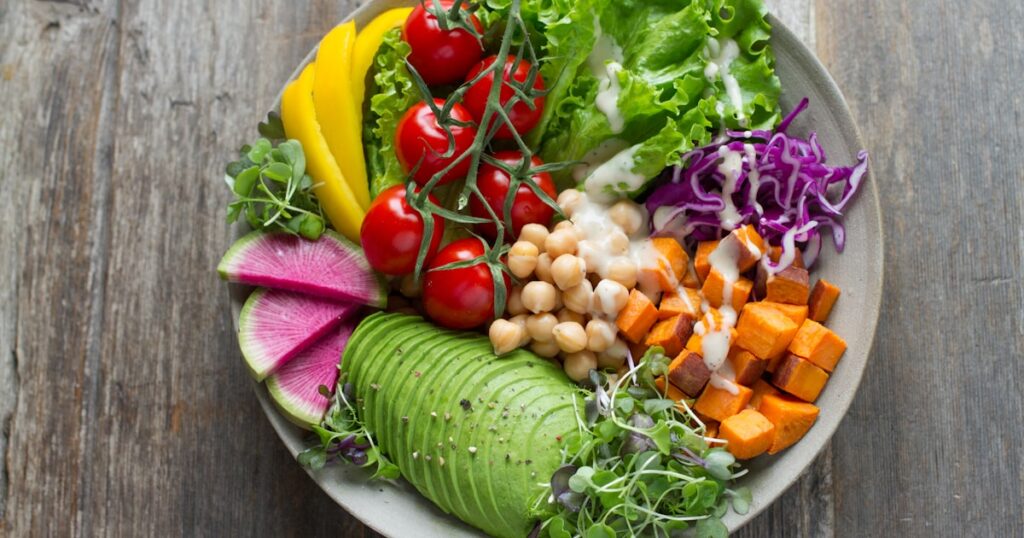
Research suggests that dietary patterns associated with better bone outcomes share several key features — and most of them sit at the opposite end of the spectrum from ultra-processed food:
- Dairy and fortified alternatives: Rich sources of calcium and (often) vitamin D; studies consistently link moderate dairy consumption to better BMD
- Leafy greens: Kale, bok choy, and broccoli provide calcium, vitamin K1, and magnesium
- Fatty fish: Salmon, sardines, and mackerel supply vitamin D and omega-3 fatty acids, which have anti-inflammatory and bone-protective properties
- Legumes and nuts: Good sources of magnesium, phosphorus (from natural food, which behaves differently to additives), and protein
- Fermented foods: Yoghurt, kefir, and kimchi support the gut microbiome and may enhance calcium and vitamin K2 availability
- Whole grains: Provide magnesium and support a healthy gut environment
The Mediterranean dietary pattern — built around vegetables, legumes, whole grains, olive oil, fish, and moderate dairy — has been consistently associated in population studies with higher bone mineral density and lower fracture rates. It also happens to be naturally low in ultra-processed foods.
Practical Steps to Protect Your Bones
Research suggests several evidence-backed strategies worth discussing with your healthcare provider:
- Audit your diet using the NOVA framework — if more than 20–25% of your daily calories come from Group 4 UPFs, consider gradually shifting toward whole-food alternatives
- Read ingredient labels: long lists of additives (emulsifiers, gums, flavour enhancers) typically signal ultra-processing
- Swap sugary beverages, especially colas, for water, milk, or calcium-fortified non-dairy drinks
- Prioritise strength training and weight-bearing exercise, both of which stimulate bone formation independently of diet
- Ask your doctor about bone density screening (DXA scan), especially if you are a woman over 50 or a man over 65
- Have your vitamin D and calcium levels checked if you suspect deficiency
The Bottom Line
The science connecting ultra-processed food consumption with weaker bones is still maturing, but the direction of evidence is consistent: diets dominated by industrially formulated products appear to undermine the nutritional foundations of skeletal health through multiple, interacting mechanisms. This does not mean that the occasional processed snack is catastrophic — but it does suggest that the long-term dietary pattern matters greatly for the bones that support every movement you make.
Choosing whole, minimally processed foods is one of the most practical and well-supported strategies available for preserving bone strength across a lifetime. Consult your healthcare provider or a registered dietitian for personalised guidance on bone health and nutrition.
Disclosure: This content is for informational purposes only and is not medical advice. Always consult a qualified healthcare provider before making changes to your health regimen.