
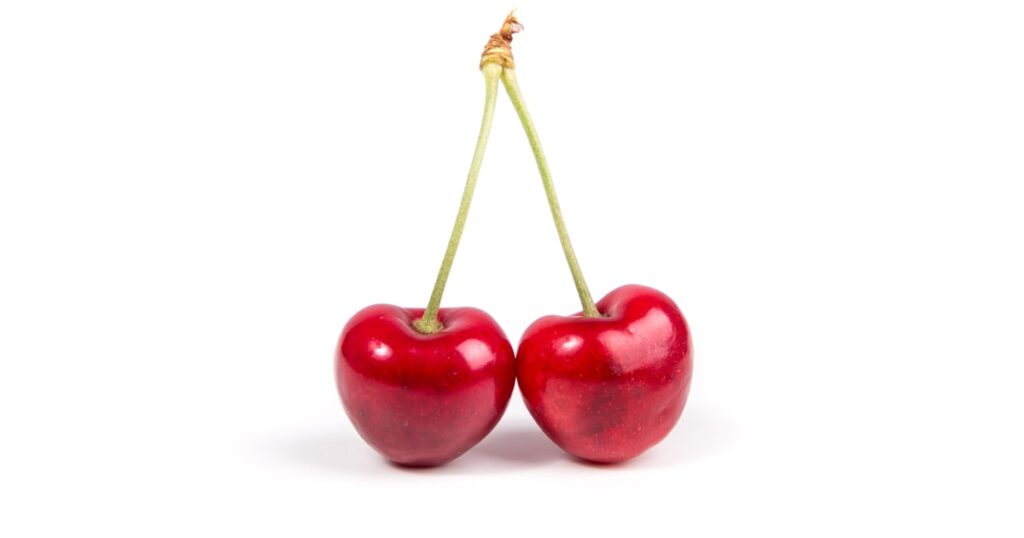
Once a backyard summer fruit, the Montmorency tart cherry has become one of the most studied “functional foods” in nutrition science. Athletes drink it after races, retirees sip it before bed, and gout patients use it to head off flares. The reason the buzz won’t quiet down is that the research, while not perfect, keeps turning up real biological effects.
Here is what peer-reviewed studies actually say about tart cherry juice — and where the evidence is still thin.
Why tart cherries are different
Sweet cherries (Bing, Rainier) and sour or “tart” cherries (Montmorency, Balaton) come from related species, but their chemistry diverges. Tart cherries contain unusually high levels of anthocyanins, the deep-red pigments behind their color, plus measurable amounts of melatonin, the hormone that helps set the body’s sleep-wake clock.
A widely cited analysis published in the Journal of Agricultural and Food Chemistry found Montmorency cherries among the richest natural dietary sources of melatonin. The same fruit also delivers polyphenols, vitamin C, potassium, and fiber. That combination is what researchers are probing for downstream benefits on sleep, inflammation, and recovery.
Sleep: the most replicated benefit
Tart cherry juice’s biggest claim to fame is sleep. Several small but well-designed studies suggest the effect is real, if modest.
In a 2010 randomized trial published in the European Journal of Nutrition, healthy adults who drank tart cherry juice concentrate twice daily for seven days slept about 25 minutes longer and reported better sleep efficiency than when they drank a placebo. A 2018 pilot study in older adults with chronic insomnia, published in the American Journal of Therapeutics, found that two cups of Montmorency cherry juice per day increased sleep time by an average of 84 minutes and improved sleep efficiency compared with placebo.
Researchers attribute the effect to a combination of melatonin and a tryptophan-sparing action: anthocyanins appear to inhibit an enzyme (indoleamine 2,3-dioxygenase) that breaks down tryptophan, the amino acid the body uses to make serotonin and melatonin.
The studies are small, and tart cherry is not a sleeping pill. But for someone looking for a gentle dietary option, the data are more consistent than for most “natural” sleep aids.
Muscle recovery and exercise soreness
Endurance athletes were early adopters of tart cherry juice, and exercise science backs at least part of the practice. A 2006 study in the British Journal of Sports Medicine found that participants who drank tart cherry juice before and after performing strenuous arm exercises had significantly less muscle pain and faster strength recovery than those given a placebo drink.
Later research extended the findings. A 2010 trial in marathon runners, published in the Scandinavian Journal of Medicine & Science in Sports, reported that runners who consumed tart cherry juice for five days before and two days after a marathon recovered isometric strength faster and showed lower markers of inflammation and oxidative stress. A 2016 systematic review in the Journal of the International Society of Sports Nutrition concluded that tart cherry supplementation can reduce indices of muscle damage and inflammation after intense exercise, with the strongest effects in endurance and resistance training scenarios.
The benefit is unlikely to make a casual jogger faster, but for hard training blocks or back-to-back competition days, the evidence is meaningful.
Gout and uric acid
Tart cherries have a long folk reputation for easing gout, and modern research has lent it some support. A widely referenced case-crossover study published in Arthritis & Rheumatism in 2012 followed more than 600 gout patients and found that cherry intake over a 2-day period was associated with a 35% lower risk of recurrent gout attacks compared with no cherry intake. Combining cherries with allopurinol, a standard gout medication, was associated with an even greater reduction.
Smaller mechanistic studies have shown that tart cherry juice can modestly lower serum uric acid levels, possibly by inhibiting xanthine oxidase, the same enzyme targeted by allopurinol. The National Institutes of Health notes that while cherries are not a substitute for prescribed gout therapy, the data are promising enough to mention in patient discussions.
Inflammation, blood pressure, and beyond
Beyond sleep and recovery, smaller studies suggest tart cherry juice may help reduce markers of chronic inflammation such as C-reactive protein, modestly lower systolic blood pressure in adults with hypertension, and improve LDL cholesterol in older adults. A 2019 trial in the Food & Function journal found that a 12-week course of tart cherry juice lowered systolic blood pressure by roughly 7 mm Hg in adults with early hypertension.
These findings are intriguing but preliminary. Most trials are short, sample sizes are small, and many are at least partly funded by the cherry industry, which warrants healthy skepticism even when the methodology is sound.
How much, and what form
Most positive studies used the equivalent of roughly 8 to 12 ounces of tart cherry juice per day, often split between morning and evening, or 1 to 2 ounces of Montmorency tart cherry concentrate diluted in water. Whole frozen or dried tart cherries can deliver similar polyphenols, but melatonin content varies more, and the sugar dose from drinking juice can be significant — about 30 grams in a 12-ounce serving of unsweetened concentrate-based juice.
For sleep, taking the juice an hour or two before bed makes mechanistic sense. For exercise recovery, the protocols studied typically start dosing four to five days before a hard effort and continue for two to three days afterward.
Who should be cautious
Tart cherry juice is generally considered safe for healthy adults, but a few groups should be careful. People with diabetes or insulin resistance need to account for the sugar load. Those taking sleep medications or other supplements that affect melatonin should talk with a clinician before stacking them. Patients on uric-acid–lowering drugs should not stop their medication in favor of cherry juice. And anyone with a known cherry or stone-fruit allergy should obviously avoid it.
As with any functional food, the goal is realistic expectations. Tart cherry juice is not a cure for insomnia, a substitute for training recovery basics like sleep and protein, or a replacement for gout medication. It is one of the better-studied dietary tools in a category full of overhype, and for many people it may be a useful addition to a broader healthy-habits foundation.
Disclosure: This content is for informational purposes only and is not medical advice. Always consult a qualified healthcare provider before making changes to your health regimen.