
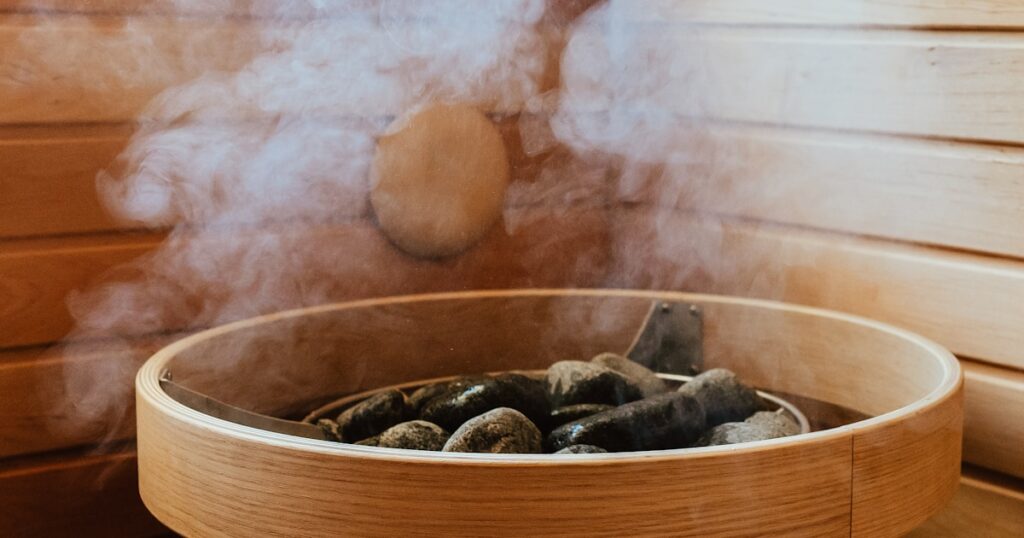
From luxury spas to backyard barrels, sauna sessions and cold plunges have moved from niche biohacking into mainstream wellness. Social media has helped fuel the trend, but the underlying science is more substantial than the hype suggests. Decades of Finnish research, controlled trials on cold water immersion, and emerging work on contrast therapy point to real physiological effects — though the evidence is stronger for some claims than others.
Here is what current research suggests about heat exposure, cold exposure, and combining the two.
The Science of Sauna Bathing
Saunas have been part of Finnish culture for thousands of years, and Finland has also produced the most rigorous long-term research on regular sauna use. The most influential dataset comes from the Kuopio Ischemic Heart Disease Risk Factor Study, which has followed thousands of middle-aged men for decades.
Cardiovascular Effects
A landmark 2015 study published in JAMA Internal Medicine by Laukkanen and colleagues followed 2,315 Finnish men over an average of nearly 21 years. Compared with those who used the sauna once a week, men who used it 4 to 7 times per week had a 50% lower risk of fatal cardiovascular disease and a 40% lower risk of all-cause mortality. Longer sessions — over 19 minutes — were also linked to lower risk.
The proposed mechanisms include short-term increases in heart rate that resemble moderate exercise, improvements in vascular endothelial function, and reductions in arterial stiffness. A 2018 review in Mayo Clinic Proceedings concluded that habitual sauna use is associated with reduced risk of hypertension, heart failure, and stroke, while emphasizing that the strongest data come from observational studies rather than randomized trials.
Brain Health and Dementia Risk
Using the same Finnish cohort, researchers reported in Age and Ageing in 2017 that frequent sauna use (4 to 7 sessions per week) was associated with a 66% lower risk of dementia and a 65% lower risk of Alzheimer’s disease compared with once-weekly use. While the association is striking, it cannot prove causation: heavier sauna users may share other healthy lifestyle traits that also influence brain aging.
Recovery and Inflammation
Smaller studies suggest that post-exercise sauna sessions may help with perceived recovery and reduce markers of muscle damage. Heat exposure also stimulates the release of heat shock proteins, which support cellular repair and may play a role in long-term resilience to stress.
The Science of Cold Plunges
Cold water immersion has a longer history in elite sports than in mainstream wellness, but interest has surged thanks to public figures who credit it with everything from sharper focus to improved mood. Research is catching up, though many trials remain small and short-term.
Inflammation and Athletic Recovery
A 2022 systematic review in the European Journal of Applied Physiology reported that cold water immersion after exercise can reduce delayed-onset muscle soreness and lower some markers of inflammation. However, researchers have also raised a caution: routinely icing right after resistance training may blunt the muscle-building adaptations that exercise is meant to stimulate. Timing appears to matter, and athletes trying to build strength may want to separate cold sessions from training by several hours.
Mood, Stress, and Mental Resilience
Cold exposure activates the sympathetic nervous system and triggers a sharp rise in catecholamines such as norepinephrine. Small studies, including work published in Biology in 2023, have observed short-term improvements in mood, alertness, and perceived energy after cold water immersion. A 2016 randomized trial in PLOS ONE by Buijze and colleagues found that people who took routine cold showers reported 29% fewer sick days from work, although their actual illness rates did not differ from controls.
Metabolic Effects
Brief cold exposure can activate brown adipose tissue, a metabolically active form of fat that burns calories to generate heat. Research from the Journal of Clinical Investigation has shown measurable increases in brown fat activity with repeated cold exposure, but the calorie burn from short plunges is modest. Cold immersion is not a meaningful weight loss strategy on its own.
Contrast Therapy: Combining Heat and Cold
Alternating between sauna and cold plunge — sometimes called contrast therapy — is a centerpiece of Nordic and Russian bathing traditions. The rapid shift from vasodilation in the heat to vasoconstriction in the cold creates a “vascular workout” that some researchers believe may improve circulation and recovery.
Evidence specific to alternating hot and cold is still developing. Reviews in sports medicine literature suggest contrast therapy may modestly aid recovery from intense exercise, but most protocols studied use hot and cold water baths rather than full sauna and plunge cycles. The subjective benefits — reduced soreness, improved sleep, and a sense of mental clarity — are widely reported but harder to isolate from placebo and ritual effects.
Safety: Who Should Be Cautious
Both heat and cold exposure place real demands on the cardiovascular system. People with uncontrolled high blood pressure, recent heart attack, unstable angina, or significant arrhythmias should talk with a clinician before starting either practice. The same applies to those who are pregnant, have a history of fainting, or take medications that affect blood pressure or fluid balance.
Cold water immersion carries specific risks. The “cold shock response” — an involuntary gasp, hyperventilation, and rapid heart rate during the first 30 to 90 seconds — can be dangerous in deep or open water. Drowning risk and cardiac events in cold water are well documented. Beginners should start with short, supervised exposures and avoid plunging alone.
Saunas pose risks of dehydration, dizziness, and overheating, especially with alcohol or certain medications. Drinking water before and after, limiting sessions to a comfortable duration, and stepping out at the first sign of lightheadedness are basic safeguards.
Getting Started Sensibly
For sauna use, most of the Finnish research links benefits to sessions of 15 to 20 minutes at around 80°C (176°F), with frequency mattering more than any single session length. For cold exposure, studies on mood and inflammation typically use water temperatures between roughly 10 and 15°C (50 to 59°F) for 2 to 5 minutes. Higher temperatures and shorter durations are reasonable starting points for beginners.
Research suggests the bigger picture matters most: heat and cold therapy work best as additions to a foundation of regular movement, quality sleep, balanced nutrition, and stress management — not as replacements for them. As with any new wellness practice, it is wise to consult your healthcare provider, especially if you have an underlying health condition.
Disclosure: This content is for informational purposes only and is not medical advice. Always consult a qualified healthcare provider before making changes to your health regimen.