
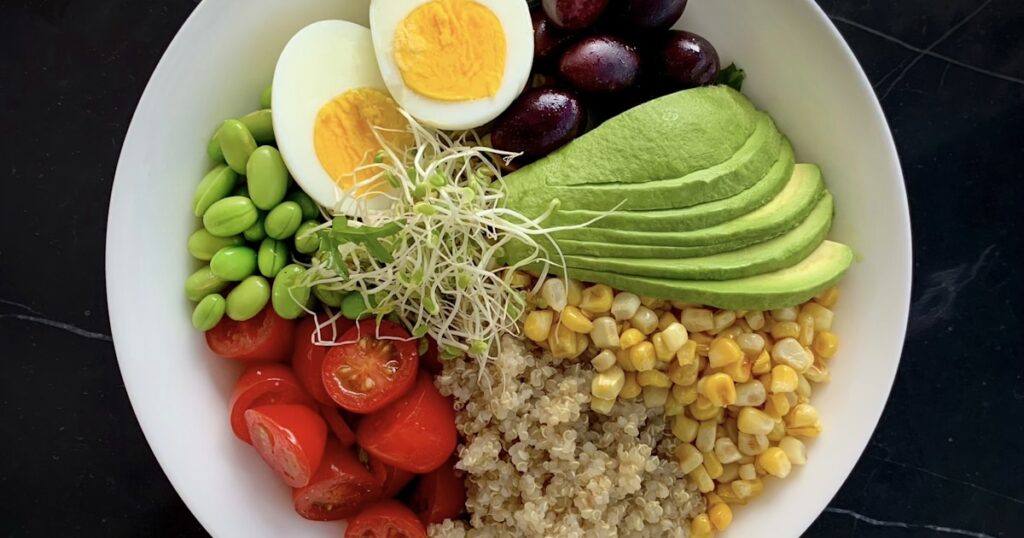
Protein is having a cultural moment. From high-protein yogurts at the supermarket to TikTok creators reciting their gram targets, the macronutrient has moved from gym subculture to mainstream nutrition advice. The interest is not just hype — recent research is reshaping how scientists think about how much protein adults actually need, especially as they age.
The U.S. Recommended Dietary Allowance (RDA) for protein has stood at 0.8 grams per kilogram of body weight per day since the 1970s. A growing body of evidence suggests that figure, while adequate to prevent deficiency, may fall short of what is needed to preserve muscle, strength, and metabolic health across the lifespan.
Why Protein Matters Beyond the Gym
Protein supplies the amino acids the body uses to build and repair every tissue, from muscle and bone to enzymes, hormones, and immune cells. Skeletal muscle in particular is now understood as an endocrine organ that influences insulin sensitivity, glucose disposal, and long-term metabolic health, according to research published in Nature Reviews Endocrinology.
After roughly age 30, adults begin to lose muscle mass at a rate of about 3 to 8 percent per decade — a process that accelerates after 60 and is known as sarcopenia. The National Institute on Aging reports that sarcopenia is a leading driver of frailty, falls, and loss of independence in older adults.
The RDA Was Set to Prevent Deficiency, Not Optimize Health
The 0.8 g/kg RDA reflects the minimum amount required to maintain nitrogen balance in most healthy adults. As a 2019 expert consensus statement in The Journal of Nutrition noted, this floor was never designed to optimize muscle mass, physical function, or healthy aging. Newer studies using more sensitive techniques — including the indicator amino acid oxidation method — suggest that protein needs are likely higher than the RDA, particularly for older adults and people who exercise regularly.
What Does the Latest Research Say?
The PROT-AGE Study Group, an international panel of geriatric and nutrition specialists, recommends that healthy older adults consume 1.0 to 1.2 grams of protein per kilogram of body weight per day, with even higher intakes — 1.2 to 1.5 g/kg — for those with acute or chronic illness. The European Society for Clinical Nutrition and Metabolism (ESPEN) has issued similar guidance.
For active adults, a 2018 meta-analysis of 49 trials published in the British Journal of Sports Medicine found that protein supplementation significantly enhanced muscle strength and size gains during resistance training. Benefits plateaued at roughly 1.6 g/kg per day, with diminishing returns above that level.
Translating the Numbers
For a 70-kilogram (154-pound) adult, that translates to:
- RDA minimum: about 56 grams of protein daily
- Healthy older adult target: 70 to 84 grams daily
- Resistance-trained adult: up to 112 grams daily
For perspective, a 4-ounce chicken breast supplies roughly 30 grams of protein, a cup of Greek yogurt about 17 grams, and a cup of cooked lentils around 18 grams.
Timing and Distribution: The Per-Meal Argument
Total daily intake is not the only variable that matters. Research from the University of Texas Medical Branch suggests that the body can use roughly 20 to 40 grams of protein per meal to maximally stimulate muscle protein synthesis, with older adults needing the higher end of that range to overcome anabolic resistance — a reduced muscle response to protein and exercise that develops with age.
A 2014 study in The Journal of Nutrition found that adults who distributed protein evenly across three meals — roughly 30 grams each — showed 25 percent greater muscle protein synthesis over 24 hours than those who consumed the same total in a skewed pattern (small breakfast, modest lunch, large dinner).
The Leucine Trigger
The amino acid leucine is the primary nutritional signal that activates muscle protein synthesis through a pathway called mTOR. Research indicates that meals containing roughly 2.5 to 3 grams of leucine appear sufficient to switch synthesis on. That threshold is generally met by 25 to 30 grams of high-quality protein from sources such as eggs, dairy, fish, poultry, lean meat, or soy.
Plant vs. Animal Protein
Animal proteins are often called “complete” because they provide all nine essential amino acids in roughly the proportions humans require. Many plant proteins are lower in one or more essential amino acids — soy and quinoa being notable exceptions — but a varied plant-based diet readily meets requirements when overall protein intake is adequate.
A 2023 randomized trial published in The American Journal of Clinical Nutrition compared muscle protein synthesis responses to animal and plant protein blends in older adults. The researchers found that, gram for gram, plant proteins can stimulate muscle protein synthesis comparably when total leucine content is matched — which typically requires slightly larger plant-protein servings.
Reliable plant sources include:
- Lentils, chickpeas, black beans, and other legumes
- Tofu, tempeh, and edamame
- Quinoa, oats, and whole grains
- Nuts, seeds, and nut butters
- Soy milk and pea-protein powders
Is More Protein Safe?
A long-standing concern has been whether higher-protein diets damage the kidneys. A 2020 systematic review in The Journal of Nutrition concluded that, in adults with healthy kidney function, higher protein intakes — including those above 1.6 g/kg — do not adversely affect kidney measures. People with chronic kidney disease, however, may need carefully managed protein intake under medical supervision, according to guidance from the National Kidney Foundation.
Bone health concerns have also softened. A 2019 meta-analysis in The American Journal of Clinical Nutrition reported that higher protein intake was associated with modest improvements in bone mineral density and a lower risk of hip fracture, particularly when calcium intake was adequate.
Practical Patterns That Show Up in the Research
Across the literature, a few practical themes emerge for adults aiming to support muscle and metabolic health:
- Anchor each main meal with a protein source of roughly 25 to 35 grams.
- Spread intake across the day rather than loading it into a single large dinner.
- Pair protein with resistance training — the combination is consistently stronger than either alone for preserving lean mass.
- Diversify sources, mixing animal and plant proteins for a broader nutrient profile and a lower environmental footprint.
- Adjust upward with age, illness, or recovery, within ranges suggested by professional bodies like PROT-AGE and ESPEN.
The Bottom Line
The conversation about protein has moved well beyond bodybuilding forums. Mounting evidence suggests that the long-standing RDA represents a floor rather than an optimum, and that distributing 25 to 35 grams of high-quality protein across three meals — paired with regular resistance training — may better support muscle, metabolism, and independence as people age.
Individual needs vary based on body size, activity level, kidney health, and medical conditions. Anyone considering meaningful changes to their diet or supplement routine should discuss those changes with a registered dietitian or physician.
Disclosure: This content is for informational purposes only and is not medical advice. Always consult a qualified healthcare provider before making changes to your health regimen.